

Heat & Gains: The New Recovery Link
Using saunas after workouts is gaining traction beyond just relaxation. Athletes and fitness enthusiasts are exploring its potential for recovery and performance, a shift fueled by shared experiences and emerging research.
Anecdotal reports, like one shared on Instagram, suggest that combining resistance training with sauna sessions may lead to better muscle gains. This isn't meant to replace established recovery methods but to add another potential tool.
The conversation around saunas is expanding beyond relaxation, with more people integrating them into fitness routines. Science is beginning to support the connection between heat, exercise, and athletic performance.
Cardiovascular Benefits & Exercise
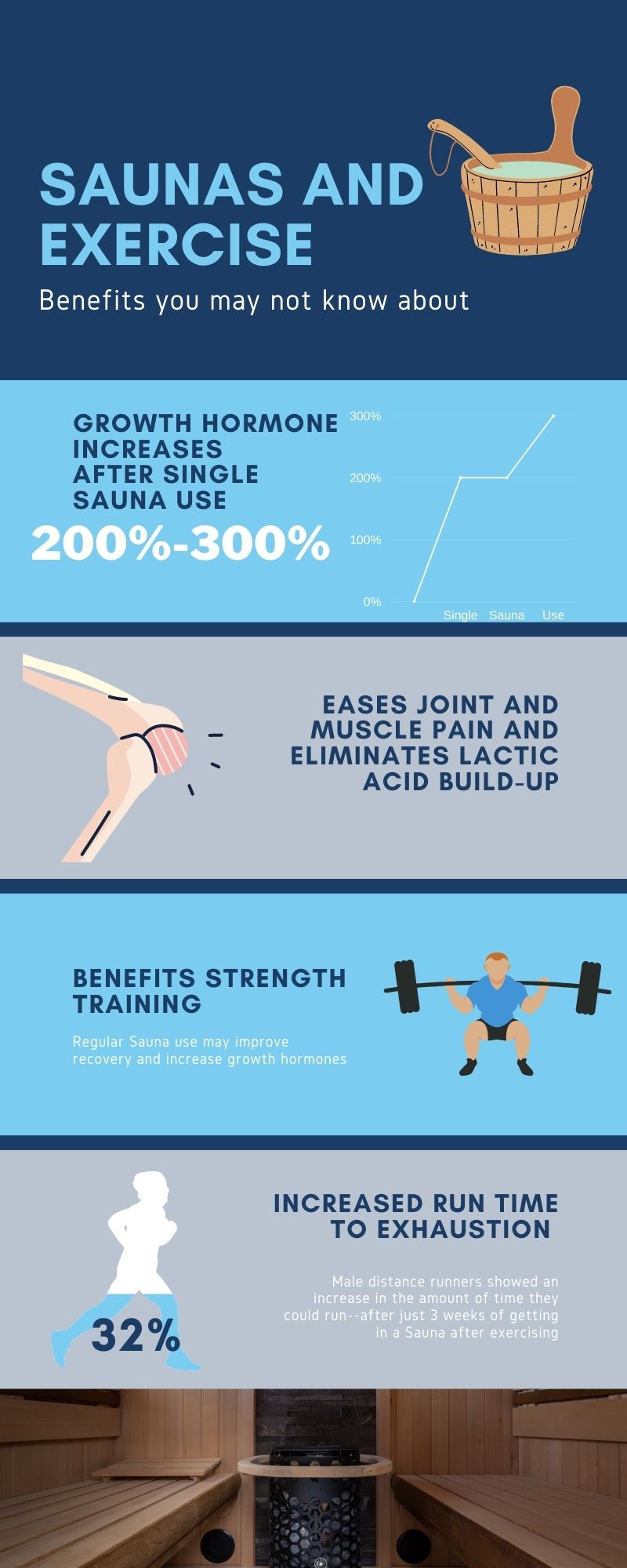
A randomized controlled trial published in PMC investigated the effects of regular sauna bathing alongside exercise on cardiovascular function. The study focused on individuals who made sauna use a consistent part of their routine with physical activity.
Researchers tracked heart rate variability (HRV) and blood pressure. Regular sauna sessions combined with exercise led to increased HRV, indicating improved autonomic nervous system function, and modest reductions in blood pressure. A healthier cardiovascular system improves the delivery of oxygen and nutrients to muscles.
An efficient cardiovascular system supports athletic performance by allowing higher intensity for longer periods in endurance events and improving blood flow to muscles for strength training recovery and growth. The multi-arm randomized controlled trial design offers solid evidence, though more research is needed.
Participants also reported feeling better overall, with reduced perceived exertion during exercise. This subjective feedback suggests sauna use can make workouts more manageable and enjoyable, aiding long-term adherence.
- Increased Heart Rate Variability (HRV): Indicates improved autonomic nervous system function.
- Reduced Blood Pressure: Supports overall cardiovascular health.
- Improved Blood Flow: Aids muscle recovery and nutrient delivery.
- Reduced Perceived Exertion: Makes workouts feel easier.
Cardiovascular Responses to Sauna and Exercise - Key Findings (2026)
| Measurement | Control Group | Sauna + Exercise Group | Change |
|---|---|---|---|
| Resting Heart Rate (bpm) | 68 bpm | 64 bpm | Approximately 6% reduction |
| Blood Pressure (Systolic/Diastolic) (mmHg) | 128/82 mmHg | 124/78 mmHg | Around 3-5% reduction |
| Heart Rate Variability (RMSSD - ms) | 28 ms | 35 ms | Approximately 25% increase |
| Endothelial Function (Flow-Mediated Dilation - %) | 5.2% | 7.1% | Approximately 36% improvement |
Illustrative comparison based on the article research brief. Verify current pricing, limits, and product details in the official docs before relying on it.
Muscle Recovery: Beyond Protein Shakes
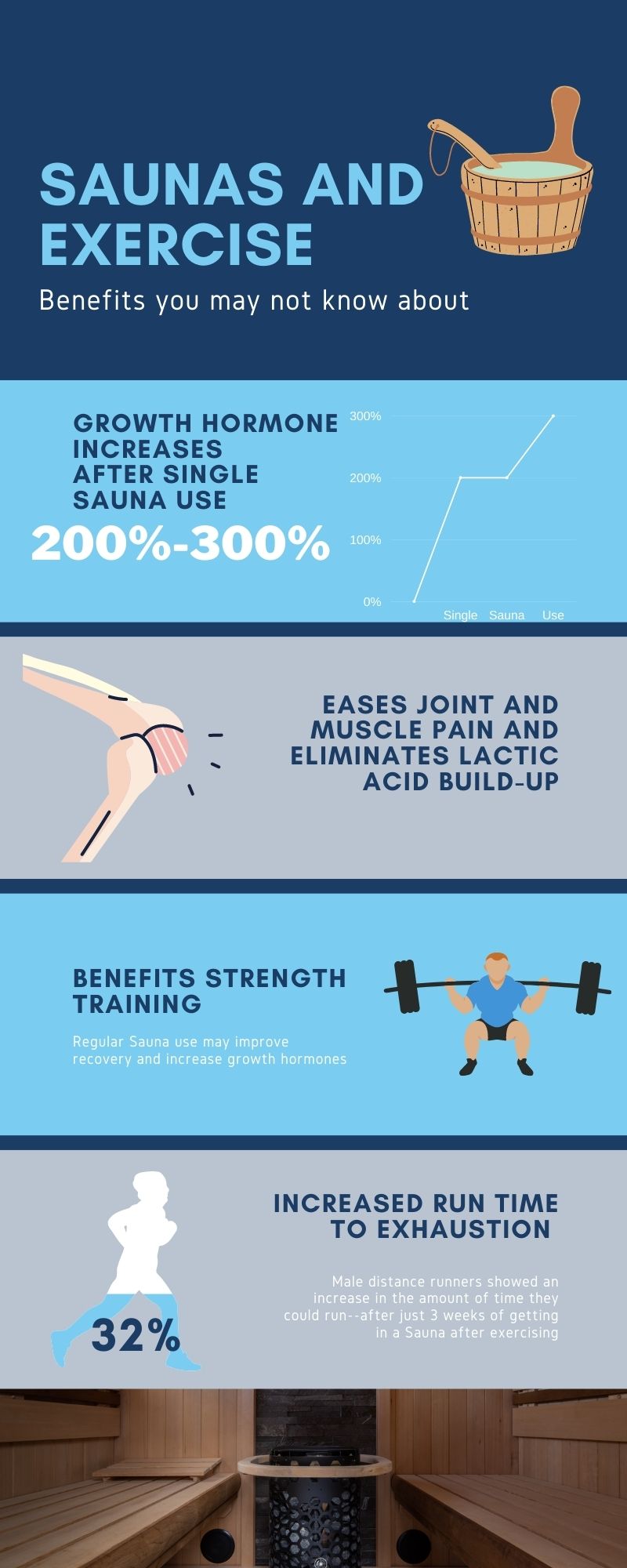
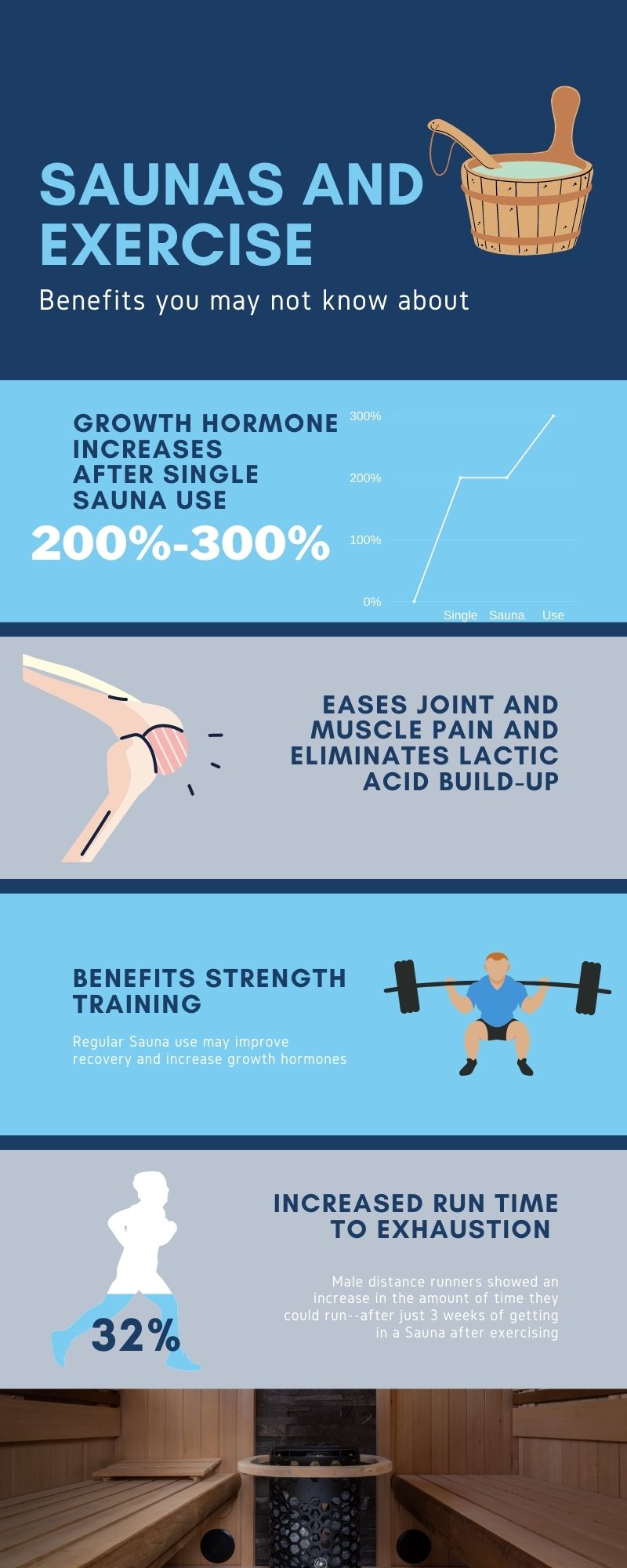
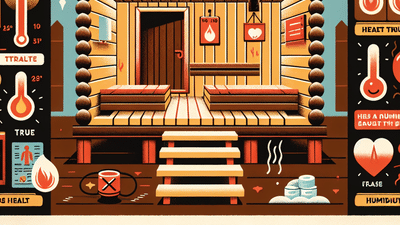
Heat exposure from saunas may trigger the production of heat shock proteins (HSPs), which aid in repairing damaged muscle tissue and protecting cells from stress. Sauna use can stimulate this natural bodily process.
Sauna use dilates blood vessels, increasing blood flow and delivering more oxygen and nutrients to muscles, which may speed recovery and reduce inflammation. However, research in this area is still developing, with some conflicting studies.
Heat exposure may help reduce delayed onset muscle soreness (DOMS), the ache felt after a tough workout. While exact mechanisms are still investigated, some studies suggest sauna use can alleviate DOMS.
Sauna use may be beneficial for recovery after high-intensity or eccentric exercises, such as downhill running or heavy lifting. Increased blood flow and HSP production could help mitigate muscle damage from these activities.
Infrared vs. Traditional Saunas: A Recovery Edge?
Saunas come in two main types: traditional and infrared. Traditional saunas heat the air, which then heats the body. Infrared saunas use lamps to directly penetrate tissues, heating from the inside out. The question remains whether one offers a specific recovery edge.
There is no definitive answer yet. Some believe infrared saunas are better for muscle soreness due to deeper tissue penetration, while others argue traditional saunas' intense heat benefits cardiovascular health. The reality may be a combination of both.
Traditional saunas operate at higher temperatures, which can be challenging for some. Infrared saunas provide a gentler heat, often more comfortable for longer sessions. Cost and energy efficiency also differ, with infrared saunas often being more energy-efficient.
Timing is Everything: When to Sauna?
For post-workout recovery, timing sauna use is important. Experts suggest waiting at least a few hours after exercise to allow initial recovery and fluid replenishment. Immediately post-workout, the body focuses on cooling down and muscle repair.
Experimentation is key to finding what works best. Some prefer saunas later in the day, others the day after strenuous workouts. The type of workout influences timing: a sauna session might be beneficial sooner after endurance events, but later after heavy strength training.
Sauna use on active recovery days, which involve light exercise like walking or swimming, can amplify benefits like increased blood flow and reduced muscle soreness. Avoid using a sauna before a workout, as dehydration and fatigue can negatively impact performance.
Hydration & Electrolytes: The Unsung Heroes
This is absolutely critical: hydration and electrolyte replacement are paramount when using a sauna, particularly after a workout. Sweating is a natural part of the sauna experience, but it also means you’re losing fluids and electrolytes – essential minerals like sodium, potassium, and magnesium.
Dehydration can negate many of the potential benefits of sauna use and even lead to serious health problems. Signs of dehydration include thirst, headache, dizziness, and fatigue. The best way to rehydrate is to drink plenty of water before, during, and after your sauna session. Consider adding an electrolyte supplement to help replenish lost minerals.
For athletes, maintaining proper electrolyte balance is especially important. Electrolytes play a vital role in muscle function, nerve transmission, and fluid balance. If you’re sweating heavily, you may need to consume more electrolytes than usual. There are many electrolyte drinks and tablets available, but you can also get electrolytes from foods like bananas, coconut water, and leafy green vegetables.
Sauna Safety: Listen to Your Body
Saunas are generally safe for healthy individuals, but it’s important to be aware of the potential risks. People with certain medical conditions, such as heart disease, low blood pressure, or pregnancy, should consult with their doctor before using a sauna. It's also important to listen to your body and avoid overdoing it.
Warning signs of overheating include dizziness, nausea, headache, and rapid heartbeat. If you experience any of these symptoms, leave the sauna immediately and cool down. Dehydration is another major risk. Drink plenty of water before, during, and after your session. Limit your time in the sauna to 15-20 minutes, especially when you’re first starting out.
Future Research & What to Watch For
While the current research is promising, there’s still a lot we don't know about the effects of sauna use on athletic performance. The studies we have are often small and limited in scope. Future research should focus on larger, more diverse populations and investigate the long-term effects of regular sauna use.
One area of particular interest is the optimal timing and duration of sauna sessions for different types of workouts. We also need to better understand the mechanisms underlying the observed benefits, such as the role of heat shock proteins and blood flow. Emerging research is also exploring the potential of personalized sauna protocols, tailored to individual needs and fitness levels.
It’s an exciting field, and I expect we’ll see a lot more research emerge in the coming years. For now, it’s reasonable to consider sauna use as a potentially helpful addition to your recovery routine, but it’s important to approach it with a healthy dose of skepticism and listen to your body. The data from 2026 will likely give us even more clarity.

No comments yet. Be the first to share your thoughts!