

The reality of sauna power bills
Most people worry about their electricity bill the moment they install a home sauna. While a 6kW heater looks intimidating on paper, the actual impact on your monthly expenses is usually less than a few loads of laundry. The cost comes down to three things: the heater type, your local utility rate, and how well the room holds heat.
Several factors determine how much your sauna will add to your electricity bill. The type of sauna is a big one, as is its size and how well it’s insulated. Your frequency of use and, crucially, your local electricity rates all play a role. We're going to break down each of these components so you can get a realistic picture of what to expect in 2026.
This isn’t about discouraging you from enjoying your sauna. It’s about being informed. With a little planning and understanding, you can minimize energy consumption and maximize the benefits of your personal sauna without a shocking electricity bill.
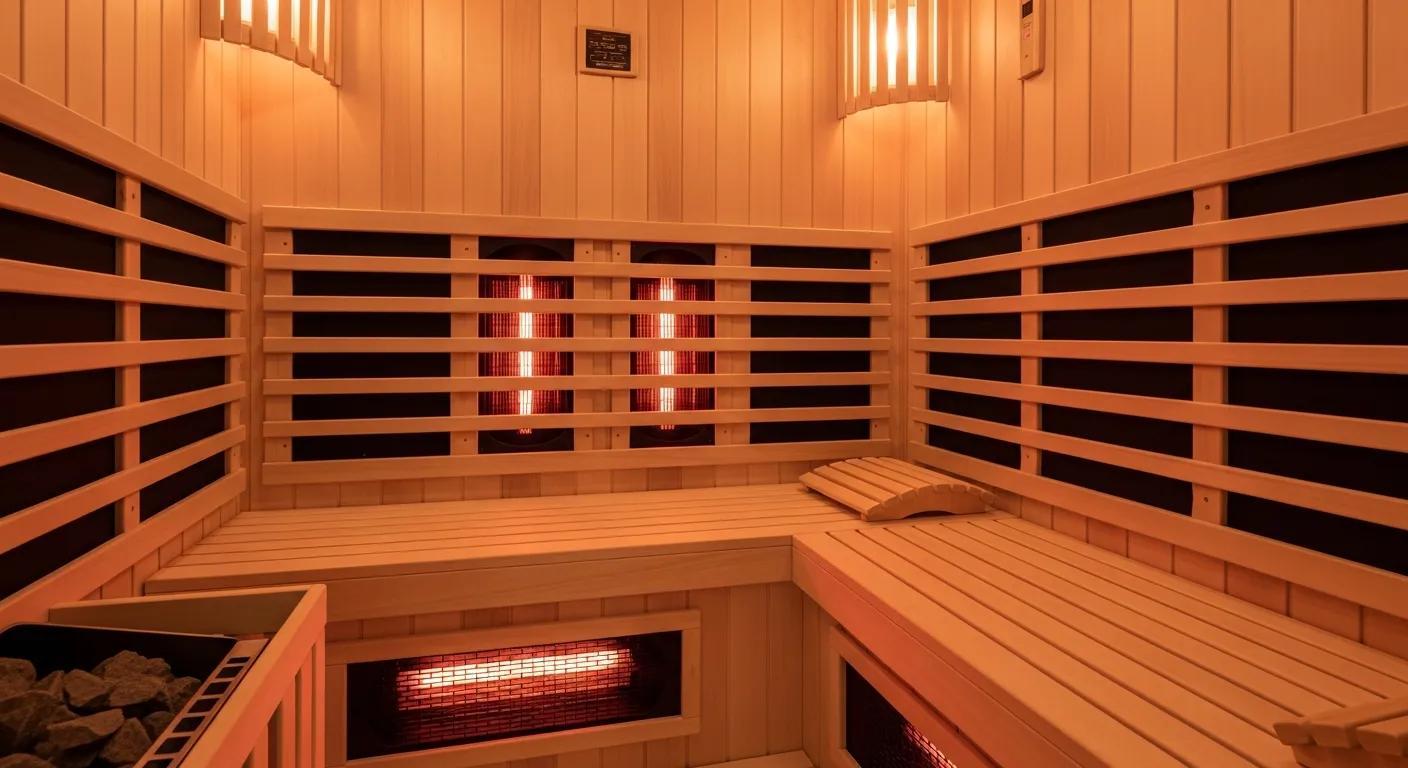
Efficiency by heater type
The type of sauna you have significantly impacts its energy profile. Traditional Finnish saunas, the classic wood-burning or electric-heater style, require a lot of energy to heat a large thermal mass – the rocks and the wood itself. This means they take longer to heat up and maintain temperature, resulting in higher energy consumption.
Infrared saunas, on the other hand, operate very differently. Instead of heating the air, they use infrared lamps to directly warm the body. This is a much more efficient process. Near, mid, and far infrared saunas each utilize slightly different wavelengths, but all are generally more energy-efficient than traditional saunas. Far infrared, in particular, is often highlighted for its lower energy use.
Hybrid saunas use both electric stones and infrared panels. If you run both at once, you're doubling the draw. I've found that most people end up picking one style per session rather than blasting both, which keeps the cost comparable to a standard traditional unit.
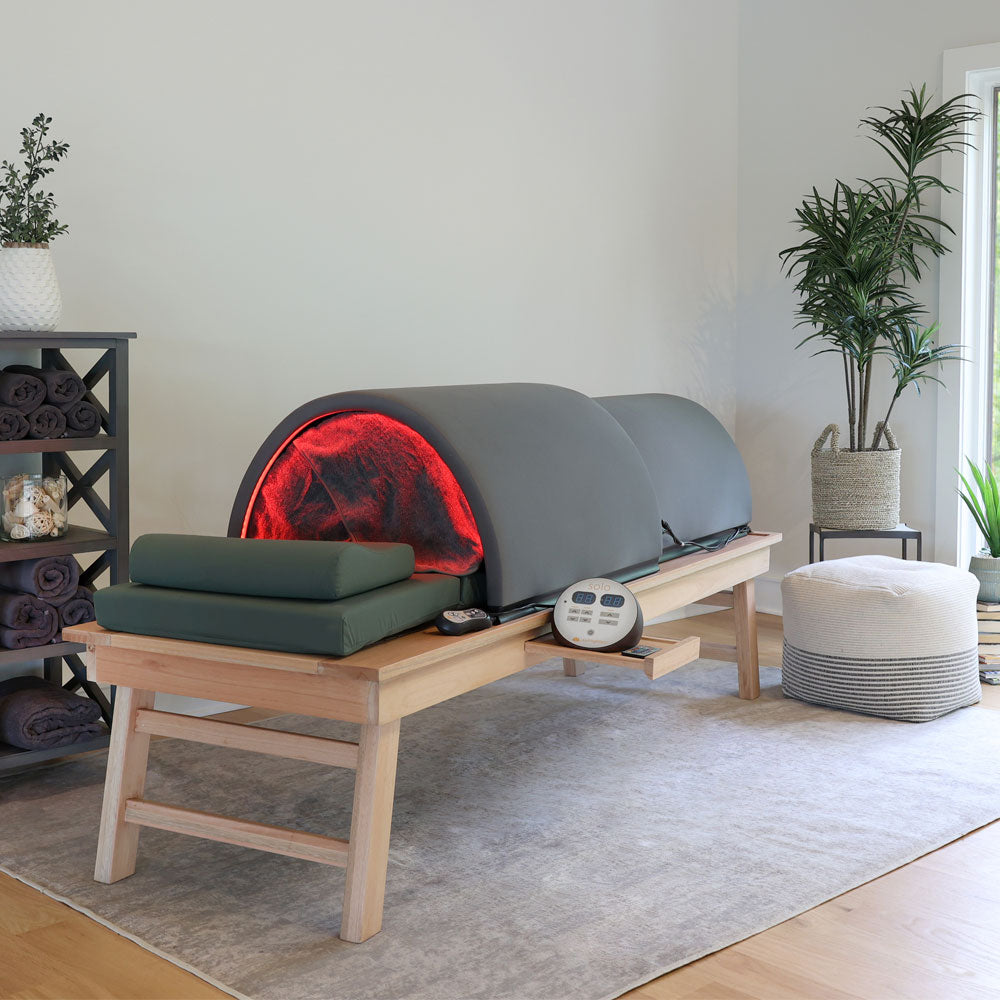
Portable saunas fall into both categories, with infrared being the most common. Their smaller size and often simpler construction contribute to lower energy demands, but even within portable saunas, wattage varies considerably. We’ll discuss portable energy efficiency in more detail later.
Why your zip code matters most
Your local electricity rate is arguably the most significant factor in determining your sauna’s operating costs. Rates vary widely depending on your location and provider. To find your rate, check your latest electricity bill – it’s usually expressed in cents per kilowatt-hour (kWh).
Even small differences in rates can add up. For example, if your rate is 15 cents/kWh and you use 5 kWh per sauna session, that session costs $0.75. If your rate is 25 cents/kWh, the same session costs $1.25. That’s a 67% increase in cost for the same usage. The difference is substantial.
Check if your utility provider uses time-of-use billing. In many regions, running a sauna at 6:00 PM costs twice as much as running it after 9:00 PM. If you're a night owl, this shift alone can cut your operating costs in half.
Typical Sauna Wattage & Run Times
Sauna wattage varies depending on size and type. A small, 1-2 person infrared sauna might draw between 1200-1500 watts, while a larger 4-6 person model could draw 1500-2000 watts. Traditional saunas, with their larger heaters, typically range from 3kW to 9kW (3000-9000 watts).
According to Haven of Heat, the average sauna session lasts between 20-30 minutes. People generally use their saunas 2-3 times per week. This isn't a hard and fast rule, of course, with some users enjoying daily sessions and others using their sauna less frequently. Sauna Steam Center also notes a growing trend toward shorter, more frequent sessions.
Let’s look at an example: a 4-person infrared sauna drawing 1800 watts used for 25 minutes (0.42 hours) per session, three times a week, consumes 2.52 kWh per week. Multiply that by your local rate to calculate your weekly cost. It’s important to remember these are averages; your actual usage will vary.
Stopping heat loss
Good insulation is critical for minimizing energy consumption. A well-insulated sauna will retain heat more effectively, requiring less energy to maintain the desired temperature. Look for saunas with thick walls and high-quality insulation materials like fiberglass or spray foam.
Pay attention to air leaks around the door and any penetrations in the walls for wiring. Sealing these leaks with weather stripping or caulk can significantly reduce heat loss. A poorly fitting door is a major source of energy waste. The room the sauna is in also matters – a well-insulated room will help keep the sauna warmer and reduce energy demands.
Investing in a sauna cover is another effective way to save money. A cover helps retain heat when the sauna isn’t in use, reducing the amount of energy needed to reheat it. This is especially important for outdoor saunas exposed to the elements.
Portable Sauna Energy Efficiency
Portable saunas are often marketed as energy-efficient, and for good reason. Their smaller size and lower wattage requirements generally translate to lower energy consumption compared to traditional or larger infrared saunas. Many plug into a standard 120V outlet, which further simplifies setup and use.
However, portable saunas still use electricity. Wattage can range from 900 watts for basic models to 1500 watts for more advanced options. Some larger portable saunas may even require a 240V connection. The energy efficiency advantage comes from the smaller heating area and often simpler construction.
It's important to compare the wattage and heating area of different portable sauna models to get an accurate picture of their energy efficiency. Don't assume all portable saunas are created equal. Read reviews and check the manufacturer's specifications before making a purchase.
Real-World Cost Examples (2026)
Let's look at some realistic cost examples for 2026, assuming an electricity rate of $0.20/kWh. A family in California using a 6kW traditional sauna three times a week for 30 minutes per session would consume approximately 5.4 kWh per week (6kW x 0.5 hours x 3 sessions). This translates to a weekly cost of $1.08 and a monthly cost of $4.32.
A couple in Texas with a 1.5kW infrared sauna, used four times a week for 20 minutes per session, would consume 2.4 kWh per week. Their weekly cost would be $0.48 and their monthly cost $1.92. A single person in New York, using a portable 1000W sauna twice a week for 25 minutes, would consume 0.83 kWh per week, costing $0.17 weekly and $0.68 monthly.
These are estimates, of course, and your actual costs will vary. Factors like ambient temperature, insulation quality, and individual usage patterns all play a role. Using the Haven of Heat calculator (available on their website) with your specific details will provide a more accurate estimate.
Estimated Monthly Home Sauna Energy Costs (2026)
| Sauna Type | Wattage (Typical) | Weekly Usage (Hours) | Electricity Rate (per kWh) | Estimated Monthly Cost |
|---|---|---|---|---|
| Traditional Finnish Sauna | 3000-6000W | 3 | $0.15 (Low) | $36 - $108 |
| Traditional Finnish Sauna | 3000-6000W | 3 | $0.25 (Medium) | $67.50 - $150 |
| Traditional Finnish Sauna | 3000-6000W | 3 | $0.35 (High) | $105 - $192.50 |
| Far Infrared Sauna | 1200-1800W | 4 | $0.15 (Low) | $21.60 - $32.40 |
| Far Infrared Sauna | 1200-1800W | 4 | $0.25 (Medium) | $45 - $63 |
| Far Infrared Sauna | 1200-1800W | 4 | $0.35 (High) | $67.20 - $94.50 |
| Portable Sauna | 1000-1500W | 2 | $0.15 (Low) | $15 - $22.50 |
| Portable Sauna | 1000-1500W | 2 | $0.25 (Medium) | $30 - $45 |
| Portable Sauna | 1000-1500W | 2 | $0.35 (High) | $45 - $67.50 |
Illustrative comparison based on the article research brief. Verify current pricing, limits, and product details in the official docs before relying on it.


No comments yet. Be the first to share your thoughts!