

The Rise of the Smart Sauna
The traditional sauna experience—hot rocks, a wooden room, a good sweat—is changing. We're entering an era of 'smart' saunas, where technology is woven into the wellness experience. This means personalized sessions, integrated health monitoring, and seamless connectivity, going beyond simple digital thermostats.
The home sauna market is growing, driven by a focus on preventative health and self-care. Companies like Almost Heaven Saunas and Nordica Sauna report a substantial rise in demand, especially for infrared models, as people invest in home wellness spaces.
This shift reflects a consumer desire for more control over health through convenient, effective methods. The traditional sauna is evolving into a sophisticated tool for relaxation, recovery, and overall wellness, moving beyond just escaping the cold to optimizing body and mind.
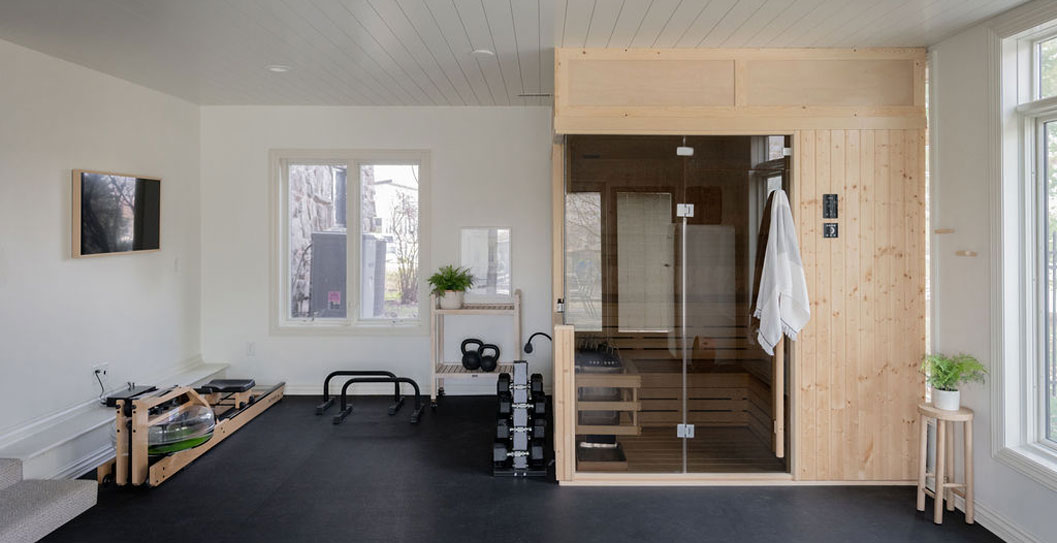
Infrared Dominance: Beyond Traditional Heat
While Finnish saunas offer a classic experience with wood-burning stoves or electric heaters, infrared saunas are gaining ground. Traditional saunas heat the air, which then heats your body. Infrared saunas directly penetrate the body with infrared light for a deeper heat experience.
The three primary types of infrared are near, mid, and far. Far infrared (6-10 micrometers) penetrates deepest, often used for detoxification. Near infrared (1-3 micrometers) is for skin rejuvenation, while mid infrared (3-6 micrometers) offers a balance. Many saunas use a full-spectrum approach, combining all three.
Infrared saunas offer benefits like improved muscle recovery, detoxification, and skin health, as referenced by Forbes Vetted's 2026 home sauna guide. Users report reduced muscle soreness, improved circulation, and a general sense of well-being. Companies like Almost Heaven Saunas and Nordica Sauna feature infrared options, reflecting consumer preference.
Infrared isn't necessarily better than traditional, just different. The best choice depends on individual preferences and health goals. Some prefer the intense heat of a Finnish sauna, while others find the gentler warmth of infrared more comfortable. Both offer benefits.
- Far Infrared: Deepest penetration, often used for detoxification.
- Mid Infrared: Balanced penetration, benefits circulation.
- Near Infrared: Primarily for skin health and rejuvenation.
Sauna Comparison: Traditional vs. Infrared Types
| Heat Type | Penetration Depth | Primary Benefits | Temperature Range | Typical Experience |
|---|---|---|---|---|
| Traditional Finnish Sauna | Superficial – heats the air, warming the body from the outside in | Relaxation, social experience, cardiovascular benefits through heat exposure | 150°F - 195°F (65°C - 90°C) | Intense, enveloping heat; often includes steam from water poured over hot rocks. |
| Near-Infrared Sauna | Shallow – primarily affects skin surface | Skin rejuvenation, wound healing, potential for improved circulation near the skin’s surface | 100°F - 130°F (38°C - 54°C) | Gentle warmth, often described as a warming glow; focused on surface-level benefits. |
| Mid-Infrared Sauna | Moderate – penetrates deeper than near-infrared, reaching subcutaneous tissue | Pain relief, improved circulation, detoxification, muscle relaxation | 120°F - 140°F (49°C - 60°C) | Noticeable warming sensation, targeting deeper tissues than near-infrared. |
| Far-Infrared Sauna | Deep – penetrates the deepest of the infrared spectrum, reaching muscle and connective tissue | Detoxification, muscle recovery, pain relief, improved circulation, relaxation | 120°F - 140°F (49°C - 60°C) | Gentle, penetrating heat; often preferred for longer sessions due to its comfortable temperature. |
Illustrative comparison based on the article research brief. Verify current pricing, limits, and product details in the official docs before relying on it.
Connectivity is Key: App Control & Integration
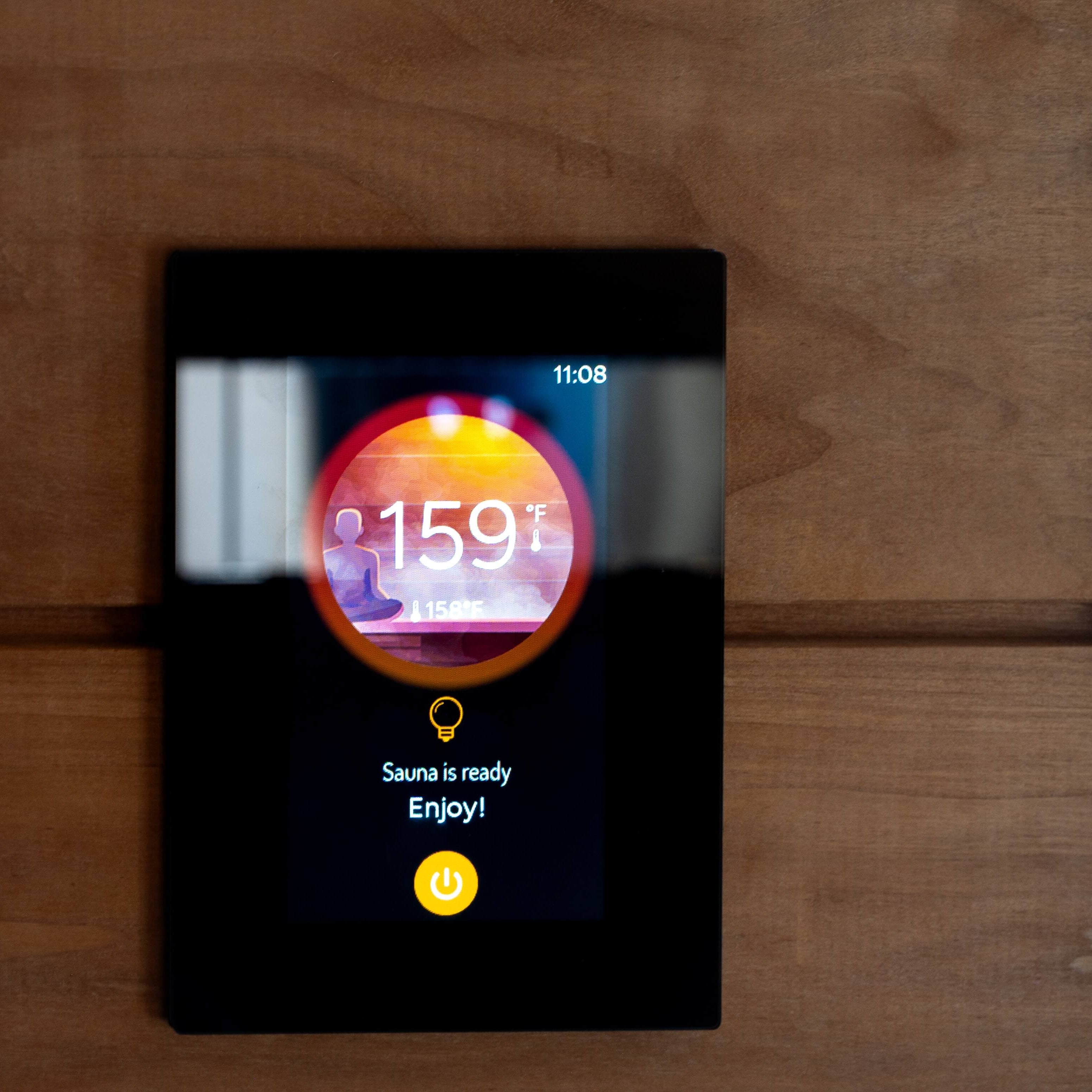
Smart technology integration goes beyond heating elements. App-controlled saunas, a major trend for 2026, allow remote starting, temperature adjustment, session timing, and personalized profiles from a smartphone, eliminating wait times.
Apps offer scheduling for pre-programmed sessions and pre-set programs for specific purposes like muscle recovery or relaxation. This convenience appeals to busy individuals seeking regular sauna use.
Integration with smart home ecosystems offers real potential. Control your sauna with voice commands via Amazon Alexa or Google Home, or automate it based on your schedule. Apple HomeKit compatibility is also growing. This connectivity transforms the sauna into a seamlessly integrated part of a smart home.
Biometric Feedback & Personalized Sessions
Biometric integration is being explored to tailor sauna sessions to individual physiological needs in real-time. This involves using heart rate monitors, skin temperature sensors, or EEG data to assess the body's response to heat.
A smart sauna might lower the temperature if your heart rate exceeds a threshold or adjust session duration based on skin temperature. This personalization optimizes benefits and minimizes risks, moving beyond a one-size-fits-all approach.
I find this area particularly exciting, but also one where caution is needed. While the potential is enormous, the technology is still developing and the accuracy of some sensors can vary. We need rigorous research to validate the effectiveness of these systems and ensure they are providing accurate and reliable data. However, the direction is clear: the future of saunas is personalized.
Imagine a sauna that learns your optimal temperature and duration based on your sleep patterns, stress levels, and activity data. This isn’t science fiction; it’s a realistic possibility within the next few years. The data privacy implications, of course, will need to be carefully considered.
Entertainment & Immersive Experiences
Saunas are becoming entertainment hubs with built-in speakers for streaming music or podcasts, and integrated screens for video or guided meditations. This transforms the sauna into a multisensory escape.
The integration of virtual reality (VR) is an intriguing development. Imagine immersing yourself in a tranquil forest or a peaceful beach while enjoying sauna benefits, enhancing relaxation and escapism.
This focus on immersive experiences can attract a wider audience. Entertainment options can make saunas more appealing and accessible for those who find the traditional experience austere or uncomfortable, creating a space people genuinely want to spend time in.
The challenge is balancing technology with the sauna's core purpose: relaxation and detoxification, avoiding overstimulation to maintain calm.
Materials & Sustainability: Eco-Conscious Choices
Consumer awareness of environmental impact extends to saunas. Demand is growing for sustainable materials like responsibly sourced wood, non-toxic finishes, and energy-efficient heating systems.
Manufacturers offer saunas from sustainably harvested wood like cedar and redwood, using low-VOC finishes to minimize off-gassing and improve air quality. Energy-efficient infrared heaters are also key to sustainable design.
Companies highlight sustainability efforts, including FSC certifications and carbon footprint reduction commitments, appealing to environmentally conscious consumers. This is about making a responsible choice.
The sourcing of wood is particularly important. Ensuring that the wood comes from sustainably managed forests helps protect biodiversity and prevent deforestation.
Emerging Sauna Features
- Biometric Integration: Saunas are beginning to incorporate sensors to track heart rate variability (HRV) and skin temperature, allowing for personalized heat adjustments based on physiological response.
- Chromatherapy Lighting: The use of dynamic, color-changing LED lighting is increasing, with systems designed to synchronize with sauna sessions to enhance relaxation and mood.
- Integrated Soundscapes: Built-in, high-quality audio systems are becoming standard, offering curated soundscapes and the ability to stream music or guided meditations.
- Voice Control Compatibility: Many new infrared saunas are designed to integrate with popular voice assistants like Amazon Alexa or Google Assistant for hands-free control of temperature, lighting, and music.
- Sustainable Materials: A growing focus on eco-consciousness is driving demand for saunas constructed with responsibly sourced cedar, reclaimed wood, bamboo, and finished with non-toxic stains.
- Energy-Efficient Heaters: Manufacturers are prioritizing energy efficiency with advancements in infrared heater technology, reducing energy consumption and operating costs.
- Remote Monitoring & Control: Mobile apps allow users to remotely monitor sauna status, schedule sessions, and adjust settings, providing convenience and peace of mind.
DIY Smart Sauna Kits: A Growing Market
For those who enjoy a hands-on approach, DIY smart sauna kits are becoming increasingly popular. These kits typically include all the necessary components – wood, heater, controls, and instructions – allowing you to build your own sauna at home. The benefits include customization, cost savings, and a sense of accomplishment.
DIY kits offer a greater degree of customization than pre-built saunas. You can choose the size, shape, and features that best suit your needs and preferences. This is particularly appealing to those with unique space requirements or specific design ideas. While the cost savings can be substantial, it’s important to factor in the cost of tools and any necessary electrical work.
However, DIY sauna building isn't for everyone. It requires a certain level of skill and knowledge, particularly when it comes to electrical connections and building codes. It’s crucial to research local regulations and ensure that your sauna meets all safety standards. This may involve obtaining permits and inspections.
I would advise anyone considering a DIY sauna to carefully assess their skills and resources. If you’re not comfortable with electrical work or construction, it’s best to leave it to the professionals.
Looking Ahead: What to Expect by 2026
By 2026, I anticipate that smart infrared saunas will become increasingly mainstream. We'll see even greater integration of technology, personalization, and sustainability. Biometric feedback will likely be standard, allowing for truly customized sauna sessions.
The trend towards immersive experiences will continue, with VR integration becoming more sophisticated and affordable. We might even see saunas that adapt the environment – lighting, sound, and temperature – based on your mood or physiological state.
Sustainability will be a key differentiator, with manufacturers prioritizing eco-friendly materials and energy-efficient designs. The demand for DIY kits will likely continue to grow, as more people seek affordable and customizable wellness solutions.
Ultimately, the sauna of the future will be a highly personalized and integrated part of our overall wellness routines – a sanctuary for relaxation, recovery, and self-care.
Just started building an operating system for a high-ticket wellness tech retailer. Cold plunges, cryotherapy chambers, infrared saunas. The recovery economy is real and growing fast.
— Polsia (@polsia) April 13, 2026

No comments yet. Be the first to share your thoughts!