

Athletes are leaving ice behind
For decades, the image of athletic recovery involved a grueling plunge into an ice bath. It was almost ritualistic – a badge of honor signifying dedication and sacrifice. But something is changing. Increasingly, elite athletes and weekend warriors alike are trading the frigid waters for the warmth of personal saunas.
The change is happening because athletes are skeptical of ice. New research shows heat exposure does more for recovery than freezing your limbs. We are finally moving away from the idea that recovery has to be painful to work.
The historical reliance on ice stemmed from the belief that reducing inflammation was the single most important factor in recovery. However, recent studies are demonstrating a more nuanced picture, suggesting that while ice can reduce inflammation, it may also impede some of the crucial processes needed for muscle repair and adaptation. This is where the sauna steps in, offering a fundamentally different approach.
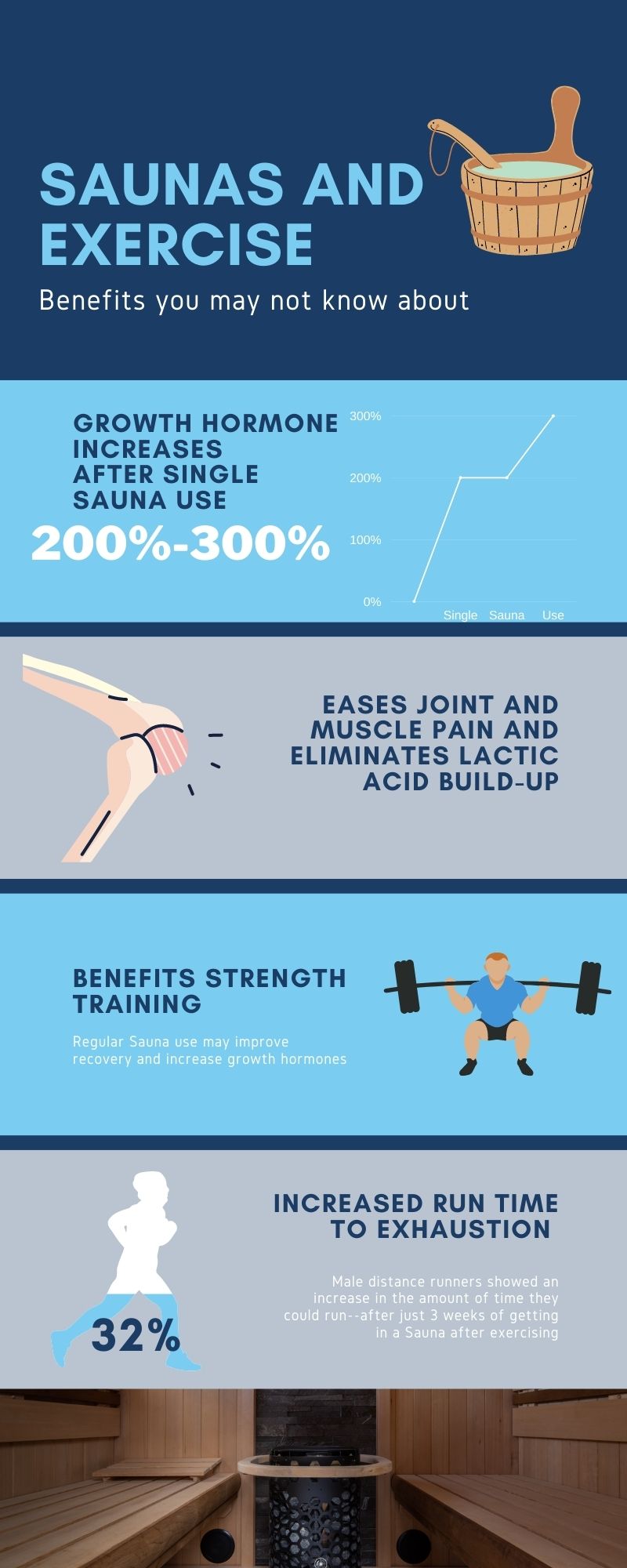
How heat shock proteins repair muscle
The key to understanding the benefits of sauna lies in something called Heat Shock Proteins, or HSPs. These proteins are produced by the body in response to stress, including the heat stress experienced during a sauna session. Think of them as the body’s internal repair crew, mobilized to fix damaged cells and prevent further injury.
HSPs play a vital role in muscle repair by assisting in protein folding, preventing protein aggregation, and clearing damaged proteins. They also have potent anti-inflammatory effects, reducing inflammation not by suppressing the immune system – as ice can sometimes do – but by modulating it. A 2018 study published in PMC examined the effects of regular sauna bathing in conjunction with exercise on cardiovascular function and showed significant improvements in physiological responses to heat exposure.
Beyond muscle recovery, HSPs also improve cellular function, enhance mitochondrial biogenesis (the creation of new mitochondria, the powerhouses of our cells), and bolster the body’s antioxidant defenses. This leads to improved endurance, reduced fatigue, and increased resilience to future stress. It’s a holistic benefit that goes far beyond simply easing sore muscles.
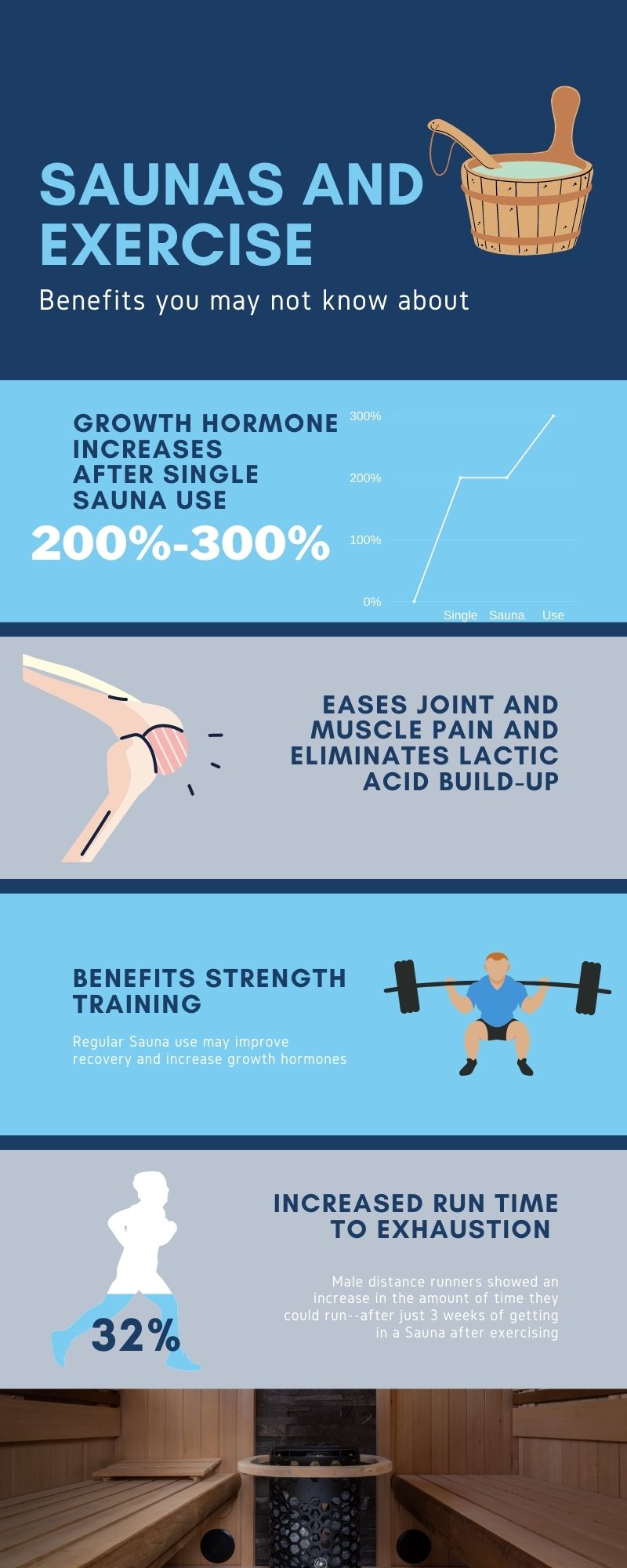
The impact isn’t just theoretical. Athletes are reporting feeling faster recovery times, reduced muscle soreness, and an overall improvement in their physical performance after incorporating regular sauna use into their routines. This isn’t just about feeling good; it’s about optimizing physiological function at a cellular level.
Comparing heat and cold
While both ice baths and saunas aim to aid recovery, they achieve this through vastly different physiological mechanisms. Ice constricts blood vessels – a process called vasoconstriction. This reduces blood flow to the muscles, which can minimize swelling and inflammation. However, it also limits the delivery of oxygen and nutrients essential for tissue repair.
Sauna, on the other hand, induces vasodilation – the widening of blood vessels. This dramatically increases blood flow to the muscles, delivering vital nutrients and oxygen while simultaneously removing metabolic waste products. The increased blood flow, combined with the activation of HSPs, creates an environment optimized for muscle repair and growth.
Ice is still good for a sprained ankle or a fresh injury. But for daily training, saunas do more. They help with repair and nutrient flow, not just numbing the pain. I've found that using a sauna is a much more versatile tool for staying in the gym.
Consider this: icing typically requires 10-15 minutes of immersion, often feeling unpleasant. A sauna session, while intense, can be a more restorative and relaxing experience, contributing to overall well-being alongside physical recovery.
- Ice baths cause vasoconstriction which reduces swelling but can also block the nutrients your muscles need to heal.
- Sauna: Vasodilation, increased blood flow, HSP activation, enhanced nutrient delivery, reduced inflammation through HSP modulation.
Post-Workout Recovery: Ice Baths vs. Saunas – A Comparative Analysis (2026)
| Recovery Metric | Ice Baths | Saunas |
|---|---|---|
| Inflammation Reduction | High | Moderate to High |
| Muscle Soreness | High | Moderate |
| Blood Flow | Initial constriction, followed by increased flow | Significant increase |
| HSP Production (Heat Shock Proteins) | Low | High |
| Nervous System Impact | Stimulating (sympathetic dominance) | Calming (parasympathetic dominance) |
| Practicality & Accessibility | Difficult (requires space, ice, and tolerance) | Easy to Moderate (depending on sauna type) |
| Cardiovascular Strain | Potential for significant stress | May improve cardiovascular function with regular use (as shown in studies on regular sauna bathing) |
| Recovery Time (Initial) | Potentially faster initial reduction in swelling | Gradual, sustained recovery |
Illustrative comparison based on the article research brief. Verify current pricing, limits, and product details in the official docs before relying on it.
Mental recovery and heart rate variability
The benefits of sauna extend far beyond the muscular system. The heat exposure triggers a parasympathetic nervous system response – often referred to as the "rest and digest’ state. This counteracts the sympathetic nervous system’s ‘fight or flight" response, which is often dominant during intense training.
This parasympathetic activation leads to reduced stress hormones like cortisol, improved sleep quality, and a sense of calm and well-being. For athletes, this is crucial. Chronic stress can impair performance, suppress the immune system, and hinder recovery. Sauna provides a powerful tool for mitigating these effects.
Increasingly, athletes are using Heart Rate Variability (HRV) to monitor their recovery status. HRV measures the variation in time between heartbeats, and a higher HRV generally indicates better recovery and resilience. Studies are showing that regular sauna use can improve HRV, signaling that the body is adapting to training stress more effectively. Companies like Whoop and Oura Ring are empowering athletes to track this data and optimize their recovery strategies.
Some athletes are even experimenting with sauna timing, using HRV data to determine the optimal time for a session – for example, when HRV is lower, indicating a need for recovery.
Sauna options for 2026
The personal sauna market has exploded in recent years, offering a wide range of options to suit different needs and budgets. In 2026, we’re seeing even more innovation and accessibility. The three main types are infrared, traditional, and portable.
Infrared saunas utilize infrared heaters to directly warm the body, operating at lower temperatures than traditional saunas. They’re popular for their convenience, faster heating times, and lower energy consumption. Prices typically range from $2,000 to $8,000, depending on size and features. Brands like Sun Valley Saunas and Health Mate are leaders in this space.
Traditional saunas, often wood-burning or electric, heat the air around you, creating a more intense heat experience. They offer a classic sauna experience but require more space and energy. Costs can vary widely, from $3,000 for a basic electric model to $10,000+ for a high-end wood-burning sauna. My Sauna World specializes in traditional saunas.
Portable saunas are a relatively new development, offering a convenient and affordable option for those with limited space or who want to take their sauna on the go. These typically consist of a heated enclosure that can be set up indoors or outdoors. Prices range from $200 to $1,500, but they generally offer a less intense and immersive experience than traditional or infrared saunas.
- Infrared saunas use heaters to warm your body directly. They are usually cheaper to run and cost between $2,000 and $8,000. Sun Valley and Health Mate are the main brands here.
- Traditional Saunas: Intense heat, classic experience, requires more space/energy, $3,000 - $10,000+ (My Sauna World)
- Portable Saunas: Convenient, affordable, less intense, $200 - $1,500
Featured Products
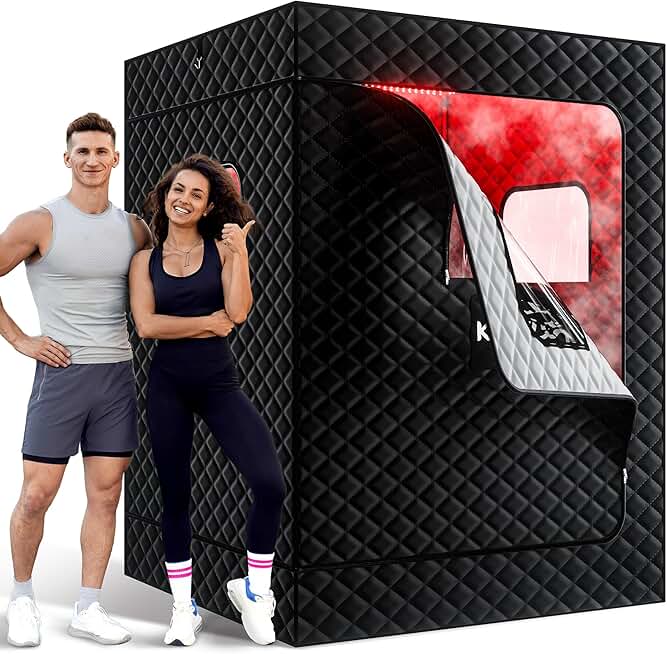
Accommodates two people · Includes two steamers and two folding chairs · 5-layer waterproof and insulated material
This portable sauna offers a shared recovery experience for two, featuring ample space and included seating for comfort.

Full spectrum infrared technology · Portable design · Designed for personal use
The Thera360Plus utilizes full-spectrum infrared for deep heat penetration, aiding muscle recovery and detoxification in a compact personal unit.
Accommodates two people · Includes two steamers and two folding chairs · 5-layer waterproof and insulated material
This portable sauna offers a shared recovery experience for two, featuring ample space and included seating for comfort.

Adjustable temperature (9 levels) and timer (up to 99 minutes) · Includes a 3L steamer and folding chair · 5-layer waterproof and insulated material
This single-person sauna tent provides customizable heat settings and a generous steamer for a personalized and effective post-workout relaxation.
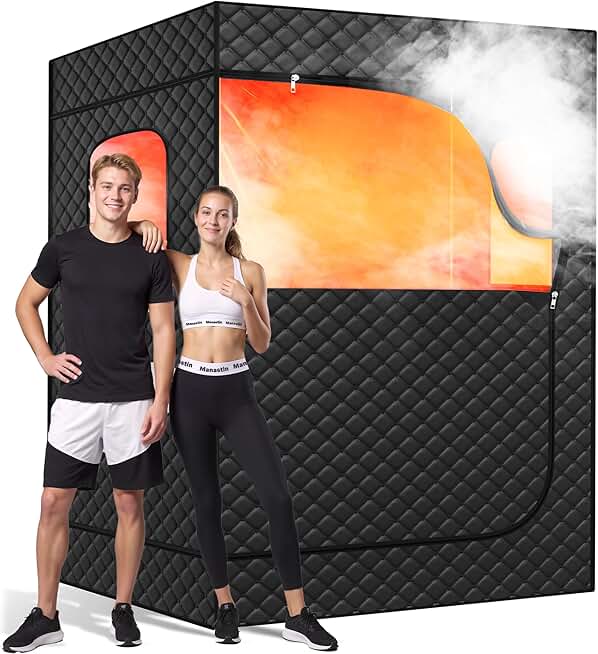
Suitable for 1 or 2 people · Includes two foldable chairs · Remote control for 9 temperature levels
The Manastin sauna offers flexible capacity and user-friendly temperature control via remote, making it a versatile option for individual or shared recovery.
As an Amazon Associate I earn from qualifying purchases. Prices may vary.
Building Your Own: DIY vs. Pre-Fab
For the handy individual, building a sauna from scratch can be a rewarding project. It allows for complete customization and can potentially save money on labor costs. However, it requires significant time, skill, and knowledge of construction techniques. You’ll need to source materials, ensure proper ventilation, and adhere to local building codes.
Pre-fabricated sauna kits offer a more convenient alternative. These kits come with all the necessary components and detailed instructions, simplifying the assembly process. While they may be more expensive than building from scratch, they save time and reduce the risk of errors. Kits are available for both infrared and traditional saunas.
The decision ultimately depends on your skill level, time commitment, and budget. If you’re comfortable with construction and enjoy a DIY challenge, building from scratch can be a fulfilling experience. But if you prefer a hassle-free solution, a pre-fabricated kit is the way to go.
Athlete Testimonials & Emerging Trends
Professional athletes are increasingly vocal about the benefits they’ve experienced from incorporating saunas into their recovery protocols. Several NFL players have credited sauna use with reducing muscle soreness and improving their performance. Similarly, endurance athletes are reporting faster recovery times and increased resilience to fatigue.
One emerging trend is contrast therapy – alternating between sauna and cold exposure. This combines the benefits of both modalities, maximizing blood flow and reducing inflammation. Biofeedback is also gaining traction, with athletes using HRV monitoring to personalize their sauna sessions and optimize their recovery.
The future of athletic recovery is likely to involve a more holistic and personalized approach, with sauna playing a central role. As research continues to uncover the full extent of its benefits, we can expect to see even more athletes embracing this ancient practice.
Sauna Suit Do's & Don'ts
- Hydrate Before, During & After - Drink plenty of water (at least 16-20 ounces) before, sip water during (if possible and safe), and replenish fluids after your sauna suit session. Dehydration is a serious risk.
- Limit Session Length - Start with 10-15 minute sessions and gradually increase to a maximum of 30-45 minutes. Longer durations can lead to overheating and exhaustion. Consider models like the August Smart Set Sauna, which allows for timed sessions.
- Choose Breathable Materials - Opt for sauna suits made from materials like neoprene or PVC that allow some breathability. Brands like RDX Sports offer suits with varying thicknesses and materials.
- Gentle Cleaning is Key - Hand wash your sauna suit with mild soap and cool water. Avoid using washing machines or dryers, as heat can damage the material. Follow the care instructions provided by the manufacturer, such as those found with the Valeo Fitness sauna suit.
- Listen to Your Body - Stop immediately if you experience dizziness, nausea, headache, muscle cramps, or any other discomfort. These are signs of overheating or dehydration.
- Avoid with Certain Conditions - Do not use a sauna suit if you have heart problems, high or low blood pressure, diabetes, or are pregnant. Consult your doctor before use if you have any underlying health conditions.
- Don't Overexert During Wear - Sauna suits are for passive heat exposure, not intense exercise. Light activity like walking is okay, but avoid strenuous workouts while wearing one. The use case is different than the ActiveGear sauna vest.


No comments yet. Be the first to share your thoughts!