

Heat & Recovery: The Athlete's Edge
Professional athletes increasingly use saunas for recovery. Once a luxury, it's now standard practice for many, from NBA players to marathon runners. The benefits of post-workout sauna sessions are clear, and adoption is growing. It's about gaining a competitive edge.
Sauna heat increases blood flow, relaxes muscles, and reduces inflammation. Athletes use methods like ice baths and massage for these effects. The sauna offers a unique approach, mimicking exercise responses. It's a proactive recovery strategy.
Growing interest stems from new research. While Finnish athletes have long used saunas, science is now confirming the benefits. This understanding drives the trend, with athletes eager to use evidence-based recovery methods.
The Science of Sauna Recovery
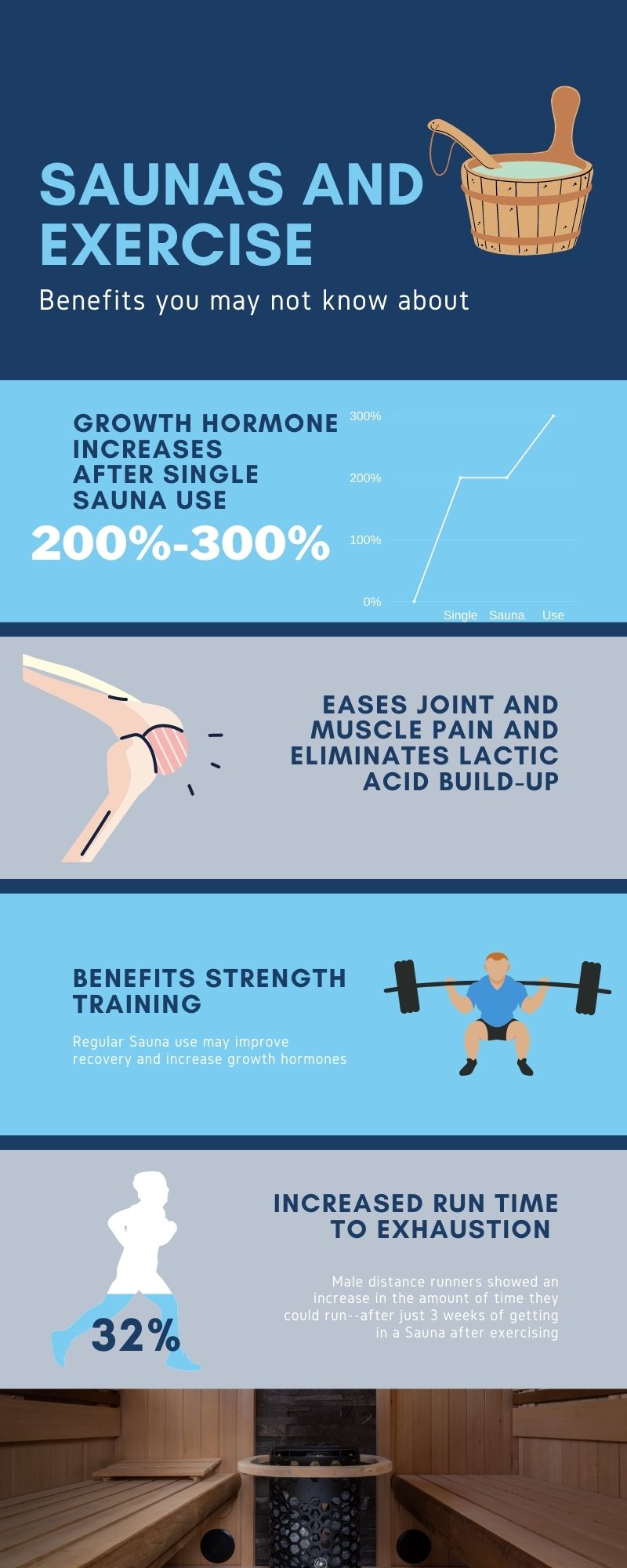
Sauna use has complex physiological effects. Heat causes vasodilation, expanding blood vessels, similar to exercise. This aids recovery. A 2023 PMC study on regular sauna bathing with exercise showed improved cardiovascular function.
Increased blood flow delivers oxygen and nutrients to muscles, aiding repair and reducing soreness. Heart rate increases, providing a cardiovascular workout that can improve endurance and health. It complements exercise.
Heat shock proteins (HSPs) are produced in response to heat stress. HSPs protect cells and aid protein folding, crucial for muscle repair and adaptation, helping muscles rebuild stronger. Research into HSPs is ongoing, and their full impact is still being investigated.
The body is complex, and benefits aren't automatic. Hydration, sauna temperature, and individual physiology play roles. While promising, the science isn't a magic bullet.
Cardiovascular Benefits: Beyond the Muscles
Sauna use offers cardiovascular benefits beyond muscle blood flow. The PMC study also indicated potential improvements in endothelial function, the health of blood vessel linings, which is vital for regulating blood pressure and preventing cardiovascular disease.
This is relevant for endurance athletes with stressed cardiovascular systems. Improved endothelial function can enhance oxygen delivery and performance. Some research suggests sauna use may lower blood pressure, but this isn't guaranteed and needs more research.
Traditional Finnish saunas heat the air, which heats the body. Infrared saunas use infrared light to directly heat the body. Both offer benefits, but infrared saunas may be better tolerated by those sensitive to high heat and potentially offer deeper tissue penetration.
Traditional vs. Infrared Saunas for Post-Workout Recovery
| Feature | Traditional Sauna | Infrared Sauna |
|---|---|---|
| Heat Type | Heated rocks and water create convection and radiant heat | Electromagnetic energy directly heats the body |
| Penetration Depth | Primarily heats the skin's surface | Heat penetrates deeper into muscle tissue |
| Temperature Range | Typically 150°F - 195°F (65°C - 90°C) | Typically 120°F - 140°F (49°C - 60°C) |
| Muscle Recovery | Supports muscle soreness reduction through increased blood flow and heat exposure | May offer enhanced muscle recovery due to deeper tissue penetration |
| Cardiovascular Health | Regular use, combined with exercise, has shown potential benefits for cardiovascular function | May provide cardiovascular benefits similar to traditional saunas, though research is ongoing |
| Detoxification | Promotes sweating, which can aid in the elimination of toxins | Promotes sweating, potentially assisting in detoxification processes |
| Perceived Experience | Often described as a more intense, enveloping heat | Often described as a gentler, more tolerable heat |
| Cost | Generally more affordable to initially set up | Can range in cost, with some models being a significant investment |
Qualitative comparison based on the article research brief. Confirm current product details in the official docs before making implementation choices.
Sauna Timing: Before, During, or After?
When to use a sauna relative to a workout is a common question. Post-workout is generally most beneficial for recovery. Pre-workout saunas might help with muscle prep and flexibility, potentially reducing injury risk, but could also cause fatigue.
Post-workout saunas capitalize on increased blood flow from exercise. They help flush metabolic waste, reduce muscle soreness, and promote relaxation. Heat can also enhance endorphin release, contributing to well-being.
Hydration is critical. Drink plenty of water before, during, and after sauna sessions to replace sweat. Individual responses vary, so pay attention to your body and adjust your routine. What works for one athlete may not work for another.
What Athletes Are Saying: Real-World Examples
Professional athletes are vocal about their sauna routines. LeBron James, for example, uses a sauna regularly for recovery after intense training and games, believing it helps him maintain peak performance.
Endurance athletes also swear by saunas. Pro cyclist Tejay van Garderen uses saunas for muscle recovery and inflammation reduction after long rides, noting a positive impact on bouncing back from events. Entire teams are incorporating saunas into their facilities.
Team sports recognize the benefits. Several NFL teams have saunas in training facilities for post-practice recovery, focusing on reducing muscle soreness, improving flexibility, and accelerating healing. Athletes actively seek ways to enhance recovery and performance.
Sauna Types for Serious Recovery
Choosing a sauna depends on needs and budget. Traditional Finnish saunas use a heater to heat rocks, which heat the air to 150-195°F for a dry heat experience. Installation and maintenance can be expensive, but they offer a classic experience.
Infrared saunas use infrared lamps to directly heat the body at lower temperatures (120-140°F), often more comfortable for those sensitive to high heat. They are generally more energy-efficient and easier to install than traditional saunas, but can be pricey.
Portable saunas are an affordable, convenient option, often a tent or pod with infrared heaters. They don't offer the same experience as traditional or infrared saunas but provide similar benefits. Sauna suits trap heat and promote sweating, aiding detoxification, but differ from true sauna benefits.
- Traditional Sauna: High heat, classic experience, higher cost
- Infrared Sauna: Lower heat, direct penetration, moderate cost
- Portable Sauna: Convenient, affordable, less immersive experience
Recovery Advantages
- Reduced Muscle Soreness - Heat exposure post-exercise can lessen delayed onset muscle soreness (DOMS) by increasing blood flow and reducing inflammation.
- Improved Cardiovascular Health - Regular sauna use mimics the physiological responses to moderate exercise, potentially improving heart rate variability and blood vessel function. Studies on Finnish sauna culture demonstrate this effect.
- Enhanced Muscle Recovery - Sauna sessions stimulate heat shock proteins, which play a role in repairing damaged muscle tissue and protecting cells from stress.
- Detoxification Support - Sweating induced by sauna use can aid in the elimination of metabolic waste products accumulated during intense training, though the extent of detoxification is still debated.
- Increased Flexibility & Range of Motion - The heat relaxes muscles and increases tissue elasticity, potentially improving flexibility and joint mobility. This is particularly beneficial for athletes in disciplines requiring a wide range of motion.
- Mental Relaxation & Stress Reduction - Sauna use promotes relaxation and reduces cortisol levels, contributing to improved mental recovery and sleep quality, crucial for athletic performance.
- Pain Management - Heat therapy can provide temporary relief from minor aches and pains associated with exercise, potentially reducing reliance on over-the-counter pain relievers.
Safety First: Sauna Protocols for Athletes
Sauna use is generally safe, but follow basic protocols. Hydration is paramount: drink plenty of water before, during, and after sessions. Start with 10-15 minute sessions, gradually increasing duration. Exit immediately if you feel dizzy, nauseous, or uncomfortable.
undefined with alcohol or drugs, as this can increase the risk of dehydration and overheating.
Listen to your body. Everyone responds to heat differently. There are contraindications to sauna use. Individuals with unstable angina, recent heart attack, or severe aortic stenosis should avoid saunas. Don't push yourself beyond your limits. A sauna should be a relaxing and restorative experience, not a grueling ordeal.


No comments yet. Be the first to share your thoughts!