

Beyond the Heat: Why Infrared Saunas Are Taking Over Homes
For generations, the Finnish sauna – intensely hot rocks and a splash of water – was the sauna experience. But things are changing. Home saunas, and specifically home infrared saunas, are experiencing a surge in popularity, and it’s not just a fleeting trend. People are realizing the convenience of having a personal wellness space right in their homes, and the potential health benefits are a major draw. It’s a shift from a communal, often public, experience to a private, accessible one.
The way infrared saunas deliver heat is fundamentally different. Traditional saunas heat the air around you, which then heats your body. Infrared saunas, however, directly penetrate the body, warming you from the inside out. This difference is key to many of the reported benefits, and it’s fueling the demand for these systems. Many people find it more comfortable.
There are three main types of infrared: near, mid, and far, each with a different wavelength and potentially different effects. Near infrared is the shortest wavelength, mid is in the middle, and far infrared is the longest. Some saunas offer a full spectrum, combining all three. While the marketing around infrared can sometimes be overblown, the underlying technology is sound and the growing body of research is promising.
There's a definite increase in interest from people looking to integrate wellness into their daily routines. It's about proactive health, recovery, and creating a sanctuary. It’s also about control – you manage the temperature, the duration, and the environment. Not all infrared saunas deliver the same experience, and quality varies significantly.
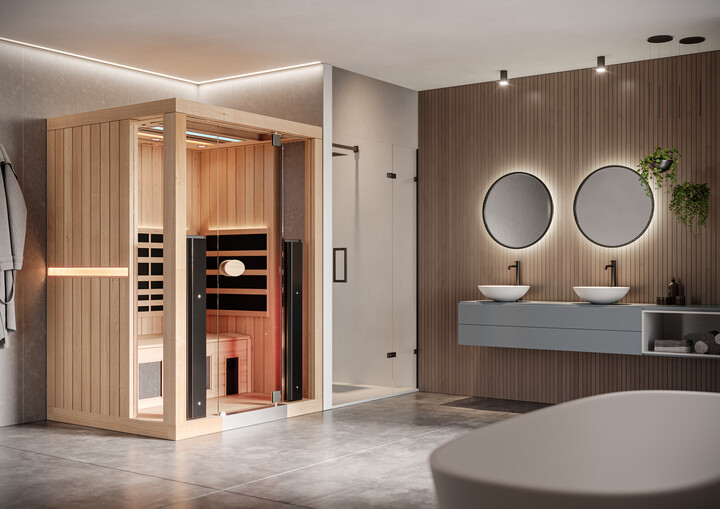
Just recently become an in home sauna haver as well and have considered getting long the proliferation of personal saunas tbh. pic.twitter.com/3F5LPcaPY2
— Citrini (@citrini) February 2, 2026
Decoding Infrared: Near, Mid, and Far – What’s the Difference?
Let's break down the three main types of infrared saunas. Near infrared (NIR) operates at wavelengths between 0.76 and 1.5 micrometers. It’s the shortest wavelength and penetrates the skin's surface, often touted for its potential benefits to skin health, wound healing, and even mood enhancement. It's often used in red light therapy devices, and you'll find it in some higher-end saunas.
Next is mid infrared (MIR), with wavelengths ranging from 3 to 10 micrometers. This type penetrates a bit deeper than NIR, reaching into the subcutaneous tissues. Proponents claim it can improve circulation and muscle relaxation. You won’t find many saunas solely using mid infrared, but it’s often blended with other types.
Finally, far infrared (FIR) has the longest wavelength, between 10 and 20 micrometers. FIR penetrates the deepest, aiming to warm the body at a cellular level. This is the most common type found in home infrared saunas, and it’s often associated with detoxification, pain relief, and improved cardiovascular health. It’s the workhorse of the infrared world.
Then there are full-spectrum saunas. These aim to provide the benefits of all three wavelengths. The idea is that you get a more comprehensive therapeutic effect. While they can be more expensive, some users believe the added versatility is worth the investment. It’s a bit like asking if a multi-tool is better than a single-purpose tool – it depends on your needs. The quality of the emitters is crucial, regardless of the spectrum offered.
- Near Infrared (NIR): 0.76-1.5 micrometers – Skin health, wound healing.
- Mid Infrared (MIR): 3-10 micrometers – Circulation, muscle relaxation.
- Far Infrared (FIR): 10-20 micrometers – Detoxification, pain relief.
Infrared Sauna Comparison: Near, Mid, and Far
| Wavelength | Penetration Depth | Primary Benefits | Relative Cost |
|---|---|---|---|
| Near Infrared | Shallow (approx. 0.5 - 1 cm) | Skin rejuvenation, wound healing, improved circulation, may support mood enhancement | Medium to High |
| Mid Infrared | Moderate (approx. 1 - 3 cm) | Pain relief, muscle relaxation, improved circulation, detoxification support | Medium |
| Far Infrared | Deep (approx. 3 - 4 cm) | Detoxification, cardiovascular health, muscle recovery, increased metabolism | Low to Medium |
| Full Spectrum (combination) | Variable (0.5 - 4 cm) | Offers benefits of all three wavelengths – skin health, muscle recovery, detoxification, and relaxation. | Medium to High |
| Near & Mid Infrared Combination | Shallow to Moderate (0.5 - 3cm) | Combines skin health benefits with deeper muscle relaxation and pain relief. | Medium |
| Mid & Far Infrared Combination | Moderate to Deep (1-4cm) | Supports both detoxification and muscle recovery with pain relief. | Medium |
Illustrative comparison based on the article research brief. Verify current pricing, limits, and product details in the official docs before relying on it.
The Health Claims: What Does the Science Actually Say?
The purported health benefits of infrared sauna use are numerous, ranging from detoxification to improved cardiovascular health. However, it's vital to approach these claims with a critical eye. While research is growing, much of it is still preliminary or requires further investigation. A 2018 study published in the Journal of the American College of Cardiology found that regular infrared sauna use could improve vascular function, similar to moderate exercise (Imamura et al., 2018).
Detoxification is a common claim, but the science is complex. Infrared saunas do promote sweating, and sweat can contain toxins, but the body's primary detoxification organs are the liver and kidneys. The sauna can support these organs by promoting circulation and reducing stress, but it’s not a magic bullet. Salus Saunas frequently highlights the benefits of sweating for skin purification, but understanding the holistic picture is important.
Pain relief is another area where infrared saunas show promise. The deep heat penetration can help relax muscles, reduce inflammation, and alleviate chronic pain conditions like arthritis. Sola Sauna’s website cites anecdotal evidence from users experiencing relief from fibromyalgia symptoms, but more rigorous clinical trials are needed. The long-term effects of consistent, prolonged use are not yet fully understood.
Contraindications exist. People with certain medical conditions – such as heart disease, pregnancy, or certain skin conditions – should consult with a doctor before using an infrared sauna. The increased heart rate and body temperature can be risky for some individuals. The potential benefits are attractive, but safety always comes first. More research on long-term effects and optimal usage protocols is needed.
Top Infrared Sauna Picks for 2026: A Rundown of the Best Models
The market for home infrared saunas is booming, leading to a wide range of options in 2026. Here's a look at some of the top contenders, categorized to help you find the best fit for your needs. Prices are estimates based on current trends and are subject to change.
Best Budget Option: Dynamic Sauna Helios 2. This two
Best Luxury Option: Northern Lights Saunas Plateau. For those seeking a premium experience, the Plateau (around $6,500) boasts full-spectrum heaters, a Bluetooth sound system, and a beautiful cedar construction. Pros: High-quality materials, advanced features, spacious. Cons: Expensive, requires professional installation.
Best for Small Spaces: JNHG 1-2 Person Infrared Sauna. This compact sauna (around $1,200) is ideal for apartments or homes with limited space. It features FIR heaters and a foldable design for easy storage. Pros: Space-saving, affordable, easy to use. Cons: Small size, basic features.
Best Full Spectrum: Aurola Sauna. (Around $4,000) Aurola focuses on providing a high-quality full-spectrum experience with a focus on low EMF emissions. Pros: Comprehensive spectrum, user-friendly controls, good build quality. Cons: Higher price point.
Best Value: Salus Saunas Yukon. Salus Saunas consistently receives high marks for its build quality and features at a reasonable price. The Yukon model (around $2,500) offers a good balance of affordability and functionality. Pros: Durable construction, efficient heaters, good warranty. Cons: Assembly can be time-consuming.
Best for Athletes: TheraLite Oasis. (Around $3,200) Designed with recovery in mind, the Oasis features a powerful heater system and a comfortable design. Pros: Optimized for muscle recovery, spacious interior, durable construction. Cons: May be overkill for casual users.
Top-Rated Home Infrared Saunas on Amazon for Your Personal Wellness Journey
Patented SoloCarbon® infrared heaters · Full spectrum infrared (near, mid, far) · Portable and easy to set up
This portable unit offers a comprehensive infrared experience with full-spectrum heating for targeted wellness benefits.
Adjustable temperature settings · Ergonomic design for comfort · Promotes relaxation and detoxification
An excellent choice for those seeking a convenient and effective way to experience infrared therapy at home without a full sauna structure.
Low EMF infrared emitters · Built-in aromatherapy cup · Foldable for easy storage
This portable sauna provides a comfortable and private infrared session with added benefits like aromatherapy.
Quick setup and takedown · Includes portable stool and steam pot · Affordable entry into infrared therapy
A budget-friendly and space-saving option for individuals new to infrared saunas or with limited living space.
Full spectrum infrared carbon heaters · Spacious interior for comfortable use · Durable construction for longevity
This premium home sauna offers a luxurious and effective infrared experience with ample space and high-quality heating elements.
As an Amazon Associate I earn from qualifying purchases. Prices may vary.
Installation and Maintenance: Keeping Your Sauna Running Smoothly
Installing an infrared sauna can range from a relatively simple DIY project to a task requiring professional help. Smaller, pre-fabricated saunas often require minimal assembly – essentially putting panels together. Larger, more complex models might need a dedicated electrical circuit and professional wiring. Always check your local building codes and electrical requirements before starting. Sola Sauna provides detailed installation guides on their website, which I highly recommend reviewing.
Ongoing maintenance is generally straightforward. Regular cleaning with a damp cloth and mild soap is usually sufficient. Avoid harsh chemicals or abrasive cleaners, as they can damage the wood or heaters. The heaters themselves typically have a lifespan of several years, but eventually, they’ll need to be replaced. Salus Saunas offers replacement heater options and detailed instructions.
Proper ventilation is crucial. Ensure the sauna is installed in a well-ventilated area to prevent moisture buildup and mold growth. It's also important to check the sauna regularly for any signs of damage, such as cracks in the wood or loose wiring. Safety should always be a top priority. Grounding the sauna properly is essential to prevent electrical shock.
I've found that keeping the area around the sauna clear of flammable materials is a good practice. And always follow the manufacturer's instructions for operation and maintenance. Ignoring these guidelines could void your warranty and create a safety hazard.
Budget Breakdown: How Much Does an Infrared Sauna *Really* Cost?
The initial purchase price of an infrared sauna is just the beginning. You need to factor in installation costs, electricity usage, and ongoing maintenance. A basic two-person sauna can cost between $1,500 and $3,000, while a high-end full-spectrum model can easily exceed $6,000. Professional installation can add another $500 to $1,000, depending on the complexity of the project.
Electricity usage varies depending on the size of the sauna, the wattage of the heaters, and how often you use it. Expect to pay an additional $20 to $50 per month for electricity, although this can vary significantly based on your local rates. Maintenance costs are relatively low, typically involving occasional cleaning supplies and, eventually, heater replacements (estimated $200-$500 for replacements).
Financing options are available from some retailers, allowing you to spread the cost over several months. You might also be able to deduct the cost of a sauna as a medical expense if it’s prescribed by a doctor for a specific health condition – consult with a tax professional for guidance. The total cost of ownership over five years could range from $2,500 to $8,000 or more, depending on your choices.
Ultimately, the value proposition depends on your individual needs and priorities. If you’re committed to regular sauna use and prioritize your health and wellness, an infrared sauna can be a worthwhile investment. However, it’s important to be realistic about the costs involved and to choose a sauna that fits your budget and lifestyle.
Unable to Generate Price Prediction
Insufficient asset information provided
| Timeframe | Bull Case | Base Case | Bear Case | Key Driver |
|---|---|---|---|---|
| 1 Month | N/A | N/A | N/A | No asset identified |
| 3 Months | N/A | N/A | N/A | No asset identified |
| 6 Months | N/A | N/A | N/A | No asset identified |
| 1 Year | N/A | N/A | N/A | No asset identified |
Price Prediction Summary
Cannot provide price predictions without valid asset information. The provided context relates to infrared sauna electricity cost calculations rather than a tradeable financial instrument. Please specify a valid stock symbol, company name, or financial asset for analysis.
Key Factors Affecting null Stock Price
- No asset specified
- Context mismatch with financial analysis
- Insufficient market data
- Invalid ticker symbol
Disclaimer: Predictions are speculative and not financial advice. Stock price predictions are based on current market analysis and may vary significantly due to market volatility, economic conditions, and other unpredictable factors. Always do your own research before making investment decisions.
Sauna Safety: What You Need to Know Before You Sweat
Safety is paramount when using an infrared sauna. Always start with shorter sessions (10-15 minutes) and gradually increase the duration as your body acclimates. Stay hydrated by drinking plenty of water before, during, and after your sauna session. Avoid using the sauna if you’re feeling unwell or have a fever.
Pay attention to your body's signals. If you feel dizzy, lightheaded, or nauseous, exit the sauna immediately. Do not exceed the recommended temperature limits (typically around 150°F or 65°C). Limit your sessions to 30-45 minutes maximum. Remember, more isn't always better.
Certain individuals should avoid using infrared saunas altogether. This includes pregnant women, people with heart conditions, and those taking certain medications. Always consult with a doctor before using a sauna if you have any underlying health concerns. This information is not a substitute for professional medical advice.
Ensure the sauna is properly grounded and that the electrical wiring is in good condition. Never use the sauna while under the influence of alcohol or drugs. And always supervise children when they are near or using the sauna.
- Hydration: Drink plenty of water.
- Session Length: Start with 10-15 minutes, max 30-45 minutes.
- Temperature: Stay below 150°F (65°C).
- Medical Conditions: Consult a doctor if you have concerns.

No comments yet. Be the first to share your thoughts!