

Sweat Equity: What’s Really Happening in a Sauna?
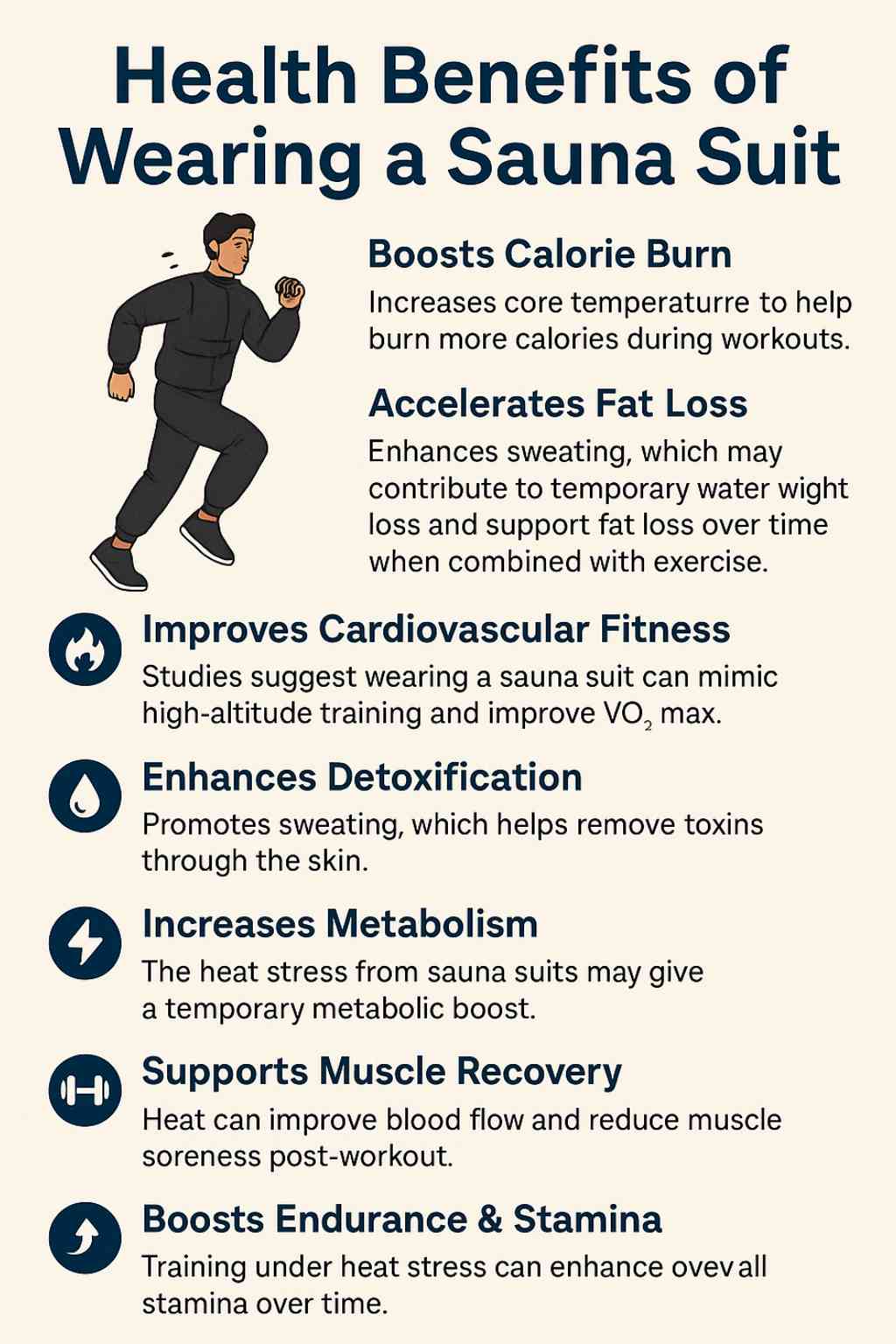
Many people are drawn to the idea of effortless weight loss. The promise of melting pounds away while relaxing in a sauna is appealing. But the reality is more nuanced than a quick fix. When you use a sauna, whether it's a traditional model or a portable sauna suit, your heart rate increases – similar to a moderate workout. This triggers sweating, which is your body’s natural cooling mechanism, and it contributes to a temporary loss of water weight.
This process isn’t simply about "burning’ calories in the same way a run does. It’s about stimulating physiological responses. Your cardiovascular system works harder, and your metabolism gets a boost from the heat exposure. Much of the initial weight loss you see after a sauna session is water, not fat. Think of it as shedding excess fluid, not necessarily shrinking fat cells. People can get discouraged when the weight creeps back on after rehydrating, and that"s a normal reaction.
Sauna use, when integrated into a healthy lifestyle that includes a balanced diet and regular exercise, can be a beneficial practice. It’s not a replacement for those things, and it's not a magic bullet. It’s a tool to potentially support your wellness goals. A sauna isn’t going to undo a poor diet or a sedentary lifestyle. It’s about adding another layer to your overall health regimen.
Traditional Saunas: The Calorie Burn Breakdown
Traditional saunas, like the Finnish saunas many people picture, generate heat through wood-burning stoves, electric heaters, or even a combination of both. This intense dry heat significantly raises your core body temperature, leading to increased heart rate and metabolic activity. The body works to cool itself down, and this process requires energy – that's where the calorie burn comes in. Sun Valley Saunas offers a wide range of traditional saunas.
Determining an exact calorie burn is tricky, as it varies greatly depending on individual factors. Body weight is a major one – a heavier person will generally burn more calories than a lighter person in the same amount of time. Metabolism also plays a role, as does your tolerance to heat. Generally speaking, a 30-minute session in a traditional sauna might burn between 150 to 300 calories for an average adult. A longer, 60-minute session could double that.
These are estimates. There isn't a wealth of rigorously controlled scientific data on sauna calorie burn specifically. However, studies on heat exposure and metabolic rate do suggest a consistent trend: increased heat exposure leads to a temporary increase in metabolic rate. A traditional sauna can contribute to calorie expenditure, but it’s not a substantial calorie burn compared to a vigorous workout.
Sauna Suits: A Closer Look
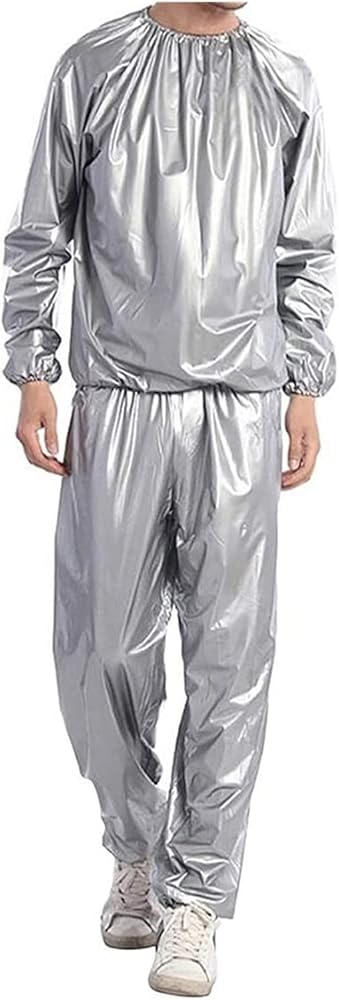
Sauna suits are designed to trap body heat and induce sweating, mimicking some of the effects of a traditional sauna. They typically consist of a waterproof or water-resistant outer layer (often PVC or neoprene) and an absorbent inner lining. You’ll find them in various designs, including full-body suits, vests, jackets, and even pants. Amazon.com carries a large variety of portable saunas and sauna suits.
These suits work by preventing sweat from evaporating, which keeps your body temperature elevated. This forces your body to work harder to cool down, leading to increased heart rate and, theoretically, calorie burn. Different suits cater to different needs and preferences. For example, some are designed for exercise, while others are intended for post-workout recovery.
Sauna suits can be uncomfortable, especially during prolonged use. They can also restrict movement and, if worn improperly, can lead to overheating or dehydration. Reports exist of skin irritation from prolonged exposure to moisture trapped within the suit, so proper hygiene and careful monitoring are essential.
Featured Products

Full body jumpsuit design · Waist trainer functionality · Aims to enhance workout sweat
This highly-rated sauna suit offers a portable and accessible way to potentially increase calorie burn, complementing the exploration of traditional saunas in the article.

Neoprene material for heat retention · Waist trainer vest with zipper closure · Adjustable tank top design
This highly-rated sauna suit offers a portable and accessible way to potentially increase calorie burn, complementing the exploration of traditional saunas in the article.
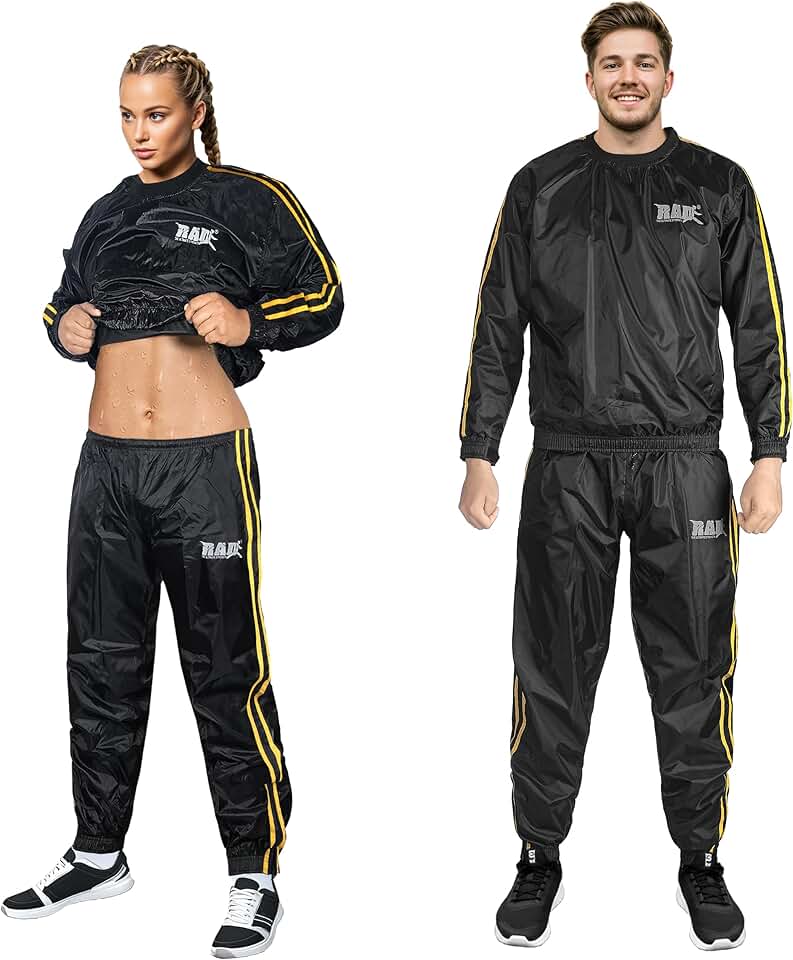
Available in multiple sizes (Medium to 6XL) · Designed for weight loss and fat burn · Comes in various color options
This highly-rated sauna suit offers a portable and accessible way to potentially increase calorie burn, complementing the exploration of traditional saunas in the article.

Two-piece set including jacket and pants · Specifically designed for boxing and exercise · Aims to promote significant sweating
This highly-rated sauna suit offers a portable and accessible way to potentially increase calorie burn, complementing the exploration of traditional saunas in the article.

Full body jumpsuit design · Waist trainer functionality · Aims to enhance workout sweat
This highly-rated sauna suit offers a portable and accessible way to potentially increase calorie burn, complementing the exploration of traditional saunas in the article.
As an Amazon Associate I earn from qualifying purchases. Prices may vary.
Calorie Burn: Suit Up or Sit Tight?
The question of which burns more calories – a traditional sauna or a sauna suit – is complex. Sauna suits can lead to more immediate water weight loss due to intensified sweating. By restricting airflow and preventing evaporation, they force your body to sweat profusely. This might show a more dramatic drop on the scale in the short term, but it’s largely due to fluid loss, not fat loss.
Traditional saunas, while inducing sweating, allow for some evaporative cooling. This means your body isn’t working quite as hard to regulate temperature, and the calorie burn might be more moderate, but arguably more sustainable. The increased blood flow and cardiovascular workout in a traditional sauna offer benefits beyond just calorie expenditure. The extra sweat from a suit doesn't translate to significantly more fat burned.
The potential for dehydration is a major concern with sauna suits. Because they trap so much heat and moisture, rehydrate frequently while wearing one. Failing to do so can lead to dizziness, headaches, and even heatstroke. Drink plenty of water before, during, and after your session. Limit session length to 15-20 minutes, especially when first starting.
Comparing calorie burn directly is difficult because it depends on so many variables. A traditional sauna offers a more balanced and potentially safer approach to heat therapy and its associated benefits.
Beyond Calories: Health Benefits Compared
Traditional saunas offer benefits that extend beyond just calorie burning. Traditional saunas have been linked to improved cardiovascular health, reduced muscle soreness, and stress reduction. Regular sauna use can help lower blood pressure and improve circulation. Evidence suggests it can boost the immune system, though more research is needed.
Sauna suits, while primarily known for inducing sweating, may offer some temporary relief from muscle soreness and aid in detoxification, although the extent of detoxification is debated. Some athletes use them to quickly shed water weight before competitions, but this practice should be approached with caution and under the guidance of a professional. SereneLife Home offers portable spa and sauna options focused on recovery.
Some of the reported benefits, particularly those related to detoxification, are anecdotal. The body has its own efficient detoxification systems (liver and kidneys), and while sweating can help eliminate some toxins, it's not a primary detoxification pathway. View sauna suits as a tool for temporary comfort and potential recovery, rather than a comprehensive health solution.
- Traditional Sauna Benefits: Improved cardiovascular health, muscle recovery, stress reduction.
- Sauna Suit Benefits: Potential muscle soreness relief, temporary detoxification (debatable).
Portable Sauna Suits vs. Traditional Saunas: Comparative Benefits (2026)
| Benefit | Traditional Sauna | Sauna Suit |
|---|---|---|
| Cardiovascular Health | High | Medium |
| Muscle Recovery | High | Medium |
| Detoxification (via sweat) | Medium | High |
| Stress Reduction | High | Low |
| Water Weight Loss | Medium | High |
| Calorie Expenditure (during use) | Medium | Medium |
| Systemic Impact | High | Limited Evidence |
| Accessibility & Convenience | Low | High |
Illustrative comparison based on the article research brief. Verify current pricing, limits, and product details in the official docs before relying on it.
Safety First: Risks and Precautions
Safety is paramount when using either traditional saunas or sauna suits. Traditional saunas pose risks of overheating, dehydration, and dizziness, particularly for individuals with underlying health conditions. Limit session length, stay hydrated, and avoid alcohol before or during use. People with heart problems, low blood pressure, or pregnancy should consult a doctor before using a sauna.
Sauna suits carry a higher risk of severe dehydration and heatstroke due to their restrictive nature. Prolonged use can lead to electrolyte imbalances and dangerous health complications. Skin irritation is also common from the trapped moisture. Avoid using a sauna suit for extended periods or during strenuous exercise.
undefined you have any pre-existing health conditions. Don't exceed recommended session lengths. And remember: moderation is key.
2026 Predictions: What’s Next for Heat Therapy?
I anticipate that portable sauna technology will continue to evolve, becoming more sophisticated and user-friendly. We might see smaller, more energy-efficient saunas designed for personal use in apartments or smaller homes. Improvements in materials could lead to more comfortable and breathable sauna suits.
Integration with wearable technology is another likely trend. Imagine a sauna suit that monitors your heart rate, body temperature, and hydration levels, and adjusts the heat accordingly. Or a traditional sauna that automatically adjusts settings based on your biometrics. This personalization could optimize the benefits of heat therapy.
I also think we’ll see a growing emphasis on the scientific understanding of heat therapy. More research will be conducted to explore the potential benefits for specific health conditions, and this knowledge will inform the development of new and improved sauna technologies. The future of heat therapy is looking interesting, with a focus on personalization, convenience, and evidence-based practices.



No comments yet. Be the first to share your thoughts!