
How infrared heat differs from traditional steam
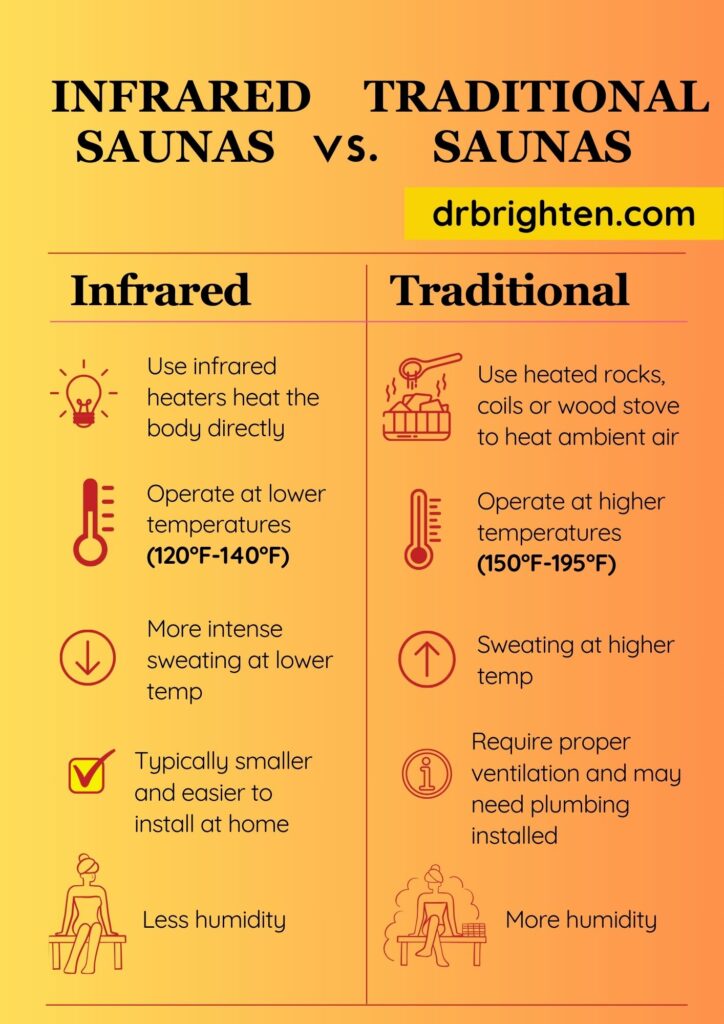
The difference between infrared and traditional saunas comes down to the physics of heat transfer. Traditional saunas heat the air inside the room to high temperatures, typically between 150°F and 195°F. The hot air then warms your body through convection. This creates a humid, steamy environment where the air itself is the primary heating element.
Infrared saunas use electromagnetic radiation to heat your body directly, similar to how the sun warms your skin. These units use infrared lamps to emit light that penetrates the skin and warms the tissues. Because the air stays cooler—usually between 120°F and 140°F—you can sit in the sauna longer without feeling overwhelmed by the ambient heat. This direct heating method allows for a deeper sweat at lower temperatures.
This fundamental distinction changes the entire experience. Traditional saunas provide an intense, dry-heat experience that many find invigorating but can be challenging for those new to heat therapy. Infrared saunas offer a more gentle, penetrating heat that is often described as more comfortable and easier to tolerate for extended periods. Both methods promote sweating and relaxation, but they achieve this through different mechanisms.

Health benefits of sauna after workout
Using a home sauna after exercise acts as a targeted recovery tool rather than just a luxury. The primary advantage lies in how heat affects muscle tissue and circulation. Warmth dilates blood vessels, increasing blood flow to fatigued muscles. This process helps flush out metabolic waste products like lactate while delivering oxygen and nutrients needed for repair.
For many users, the specific recovery and wellness advantages of using home saunas stem from the ability to control the environment. Unlike a public gym sauna where you might rush through a session, a home unit allows for longer, more consistent exposure. This extended time in the heat can significantly reduce delayed onset muscle soreness (DOMS) and improve overall flexibility by loosening tight connective tissues.
Beyond physical repair, post-workout sauna use impacts the nervous system. The transition from intense physical exertion to deep heat relaxation signals the body to shift from sympathetic (fight-or-flight) to parasympathetic (rest-and-digest) mode. This shift helps lower cortisol levels, promoting better sleep quality and mental calm. Consistent use can turn a simple workout into a complete recovery cycle, addressing both the body and mind.
While both infrared and traditional saunas offer these benefits, the mechanism differs slightly. Traditional saunas heat the body directly through high ambient temperatures, inducing rapid sweating. Infrared saunas penetrate deeper into tissues at lower temperatures, which some find more tolerable for extended recovery periods. Choosing the right type depends on your tolerance for heat and your specific recovery goals.
Build Costs for Indoor and Outdoor Models
The price gap between infrared and traditional saunas often comes down to construction complexity rather than just heating technology. While infrared panels are expensive, traditional units require heavier materials and more robust electrical infrastructure. Understanding these upfront costs helps you decide whether to invest in a pre-fab unit or tackle a DIY build.
Pre-Fab vs. DIY Construction
Buying a pre-fabricated sauna is the most common route for homeowners. These units come with pre-wired heaters, insulated panels, and assembled benches. You simply plug them in or connect them to a dedicated circuit. For a small, two-person infrared model, expect to pay between $1,500 and $3,000. Traditional wood-burning or electric pre-fabs in the same size range typically start at $2,000 and climb higher due to the cost of cedar or hemlock lumber and heavier-duty heating elements.
Building your own sauna can cut material costs by 30-50%, but it demands carpentry skills and time. You will need to source kiln-dried lumber, install proper vapor barriers, and wire the heater according to local code. The savings are real, but the trade-off is the risk of improper insulation, which can lead to heat loss and higher long-term electricity bills. Most DIYers find that the labor hours outweigh the savings unless they already have the tools and expertise.
Installation and Electrical Requirements
Electrical work is a hidden cost that varies significantly between the two types. Infrared saunas usually run on standard 110-volt outlets, similar to a large space heater. This makes them plug-and-play for most homes, avoiding the need for an electrician. Traditional saunas, however, almost always require a 220-240 volt dedicated circuit. If your home lacks this infrastructure, hiring a licensed electrician to install a new breaker box and run heavy-gauge wire can add $500 to $1,500 to your total project cost.
For outdoor installations, you will also need a solid, level foundation. This could be a concrete pad, a gravel base, or pressure-treated wooden decking. Outdoor models must be rated for weather resistance, which adds to the material cost. Indoor models can often be placed on existing flooring, provided there is adequate ventilation and clearance from walls.

Cost Comparison Overview
The following table breaks down the typical costs for entry-level, mid-range, and high-end models. These figures include the unit price but exclude installation labor unless noted.
| Model Type | Est. Price Range | Installation Effort | Space Needs |
|---|---|---|---|
| Entry-Level Infrared | $1,500 - $3,000 | Plug-and-play (110V) | Small corner (2-3 people) |
| Mid-Range Traditional | $2,500 - $5,000 | 220V Circuit Required | Dedicated room (4-6 people) |
| High-End Outdoor Barrel | $4,000 - $8,000+ | Foundation + 220V | Outdoor footprint (4-8 people) |
Portable and personal sauna options
Renters and those in apartments often face strict rules about plumbing or structural modifications. Portable and personal saunas solve this by offering a heat experience that fits into a closet or corner without requiring a contractor. These units prioritize convenience over the deep, radiant heat of a built-in cabin, making them a practical entry point for occasional use.
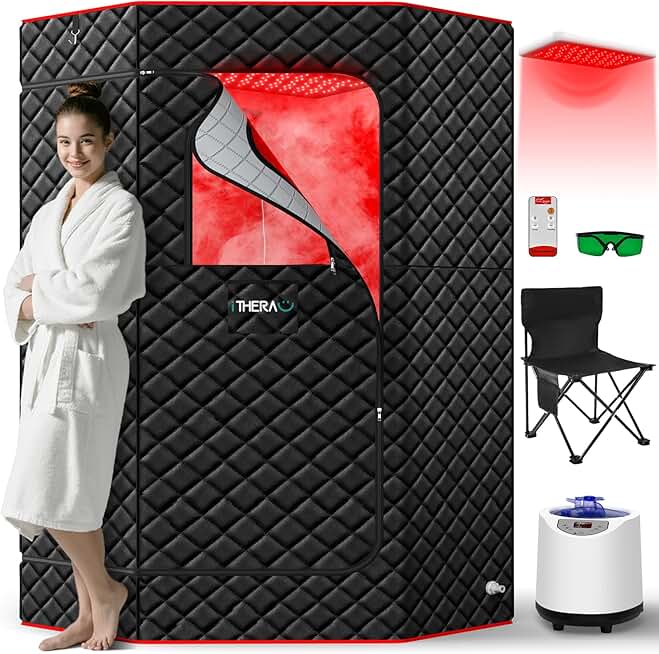
Portable infrared saunas typically consist of a fabric tent and a small external heater. The heater pumps warm air or infrared rays into the enclosed space. While they lack the intense, dry heat of a traditional wood-fired sauna, they provide a manageable sweat session that is easy to set up and pack away. The trade-off is that these tents rarely reach the high temperatures of permanent installations, and the fabric construction offers less thermal retention.
For those who want a more dedicated, box-like structure, compact personal saunas like the Sola Sauna offer a middle ground. These units are larger than a folding tent but still designed for small footprints. They often use infrared panels to generate heat, which penetrates tissue at lower ambient temperatures. This makes them gentler on the body while still promoting circulation and relaxation.
Best portable and personal saunas


As an Amazon Associate, we may earn from qualifying purchases.
Which home sauna fits your routine
Choosing between an infrared sauna vs traditional sauna comes down to how you plan to use the space. One is not inherently better; they simply serve different physical needs and lifestyle constraints. The right choice depends on your available square footage, your budget for installation, and whether you prioritize deep muscle recovery or rapid heat sessions.
Traditional saunas require more floor space and higher ceilings to accommodate the hot air circulation and the large heater unit. Infrared models are often more compact and can fit into smaller rooms or even corners, making them the practical choice for apartments or tight basements.
Infrared saunas generally cost less upfront and require minimal electrical work, often running on standard 110-volt outlets. Traditional saunas usually need a dedicated 220-volt circuit and professional installation, which adds significant labor costs to the initial investment.
If you want to soothe joint pain, improve circulation, or recover from intense workouts, infrared heat penetrates deeper into tissues at lower ambient temperatures. If you prefer the intense, sweating experience of a steam room or have respiratory goals that benefit from dry, high heat, a traditional sauna is the better fit.
Both options offer significant wellness benefits, from stress relief to improved cardiovascular health. Your decision should hinge on which experience feels sustainable for your daily life. Consider how often you will actually use the unit and whether the installation requirements align with your home's current infrastructure.
Is a home sauna worth the investment
A home sauna pays for itself in convenience and consistent wellness. Unlike gym memberships that gather dust, a private sauna offers daily stress relief and muscle relaxation without the friction of travel or scheduling. The warm environment lowers cortisol levels, helping you unwind anytime you need to reset.
The upfront cost is the main barrier, but long-term health benefits often outweigh the price tag. Whether you choose a traditional wood-fired unit or a modern infrared model, the investment supports daily recovery and immune support. For those managing autoimmune conditions like Hashimoto’s, infrared saunas provide targeted relief from cold-weather symptoms.
Ultimately, the value depends on how often you plan to use it. If you prioritize daily relaxation and consistent heat therapy, a home sauna is a worthwhile addition to your wellness routine.
No comments yet. Be the first to share your thoughts!