


What the budget buys
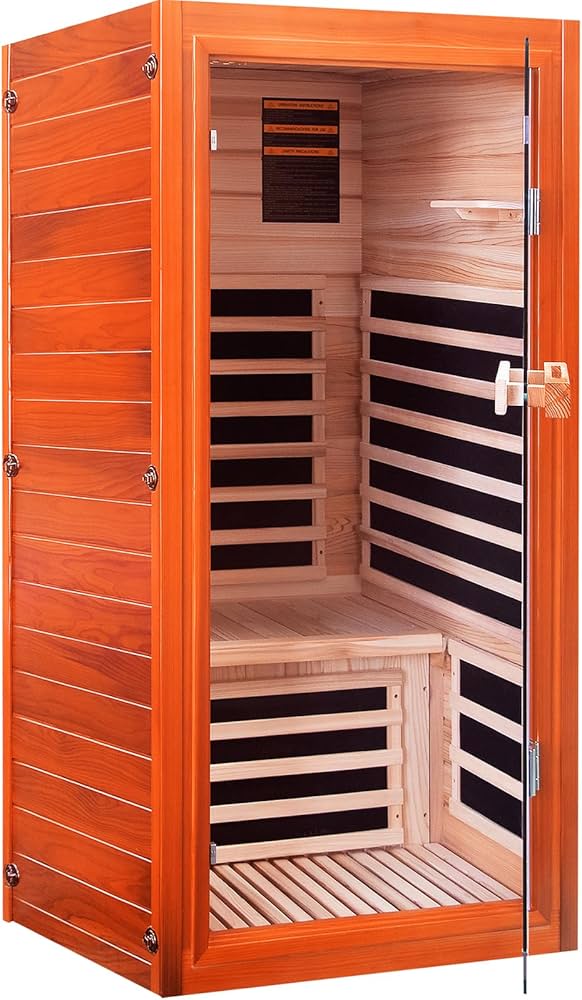
The gap between a $1,000 entry-level unit and a $5,000+ premium sauna is defined by materials, heat consistency, and longevity. At the lower end of the spectrum, you will often find thinner wood panels and fewer heating elements. These units can still deliver a solid infrared session, but they may take longer to reach target temperatures and might struggle to maintain heat in colder rooms. The trade-off is clear: you get the core functionality of infrared therapy without the refinements that make daily use effortless.
Mid-range options, typically between $2,000 and $3,500, usually offer better insulation and higher-quality hemlock or cedar. This is where you start seeing more consistent heat distribution and slightly more robust construction. The difference in build quality becomes apparent when you consider how often you will open and close the door. Thicker walls mean less heat loss, which translates to lower electricity bills over time.
Premium infrared saunas above $4,000 focus on health-specific features and durability. You are paying for multi-frequency heaters that target different tissue depths, advanced carbon fiber panels for lower EMF emissions, and superior wood grades that resist warping. For serious recovery routines, these units offer a more stable environment. However, for casual users, the extra cost may not justify the marginal gain in heat performance.
When evaluating price, look beyond the sticker price. Consider the warranty length and the availability of replacement parts. A cheaper sauna with a one-year warranty may cost more in the long run if components fail. Conversely, a higher-priced unit with a comprehensive warranty offers peace of mind for long-term investment.
Models worth checking first
The infrared sauna market in 2026 has shifted from novelty to necessity, with manufacturers focusing on cleaner heat profiles and smarter integration. When comparing the strongest options, the tradeoffs usually come down to heater type, wood quality, and auxiliary features like red light therapy panels. You are not just buying a box; you are investing in a recovery ecosystem that needs to fit your home’s power and spatial constraints.
Below is a comparison of the leading infrared sauna models currently dominating the market. These units represent the best balance of heat penetration, build durability, and user-friendly controls. Use this table to quickly identify which form factor and feature set aligns with your specific recovery goals, whether that is muscle relaxation or cardiovascular conditioning.
| Model | Heater Type | Capacity | Key Features | Wood Type |
|---|---|---|---|---|
| Clearlight Infinity SA | Far Infrared | 1-2 persons | SpectraLite red light therapy, low EMF | Canadian Hemlock |
| JNH Lifespan Signature | Far Infrared | 2-3 persons | Digital controls, chromotherapy | Canadian Hemlock |
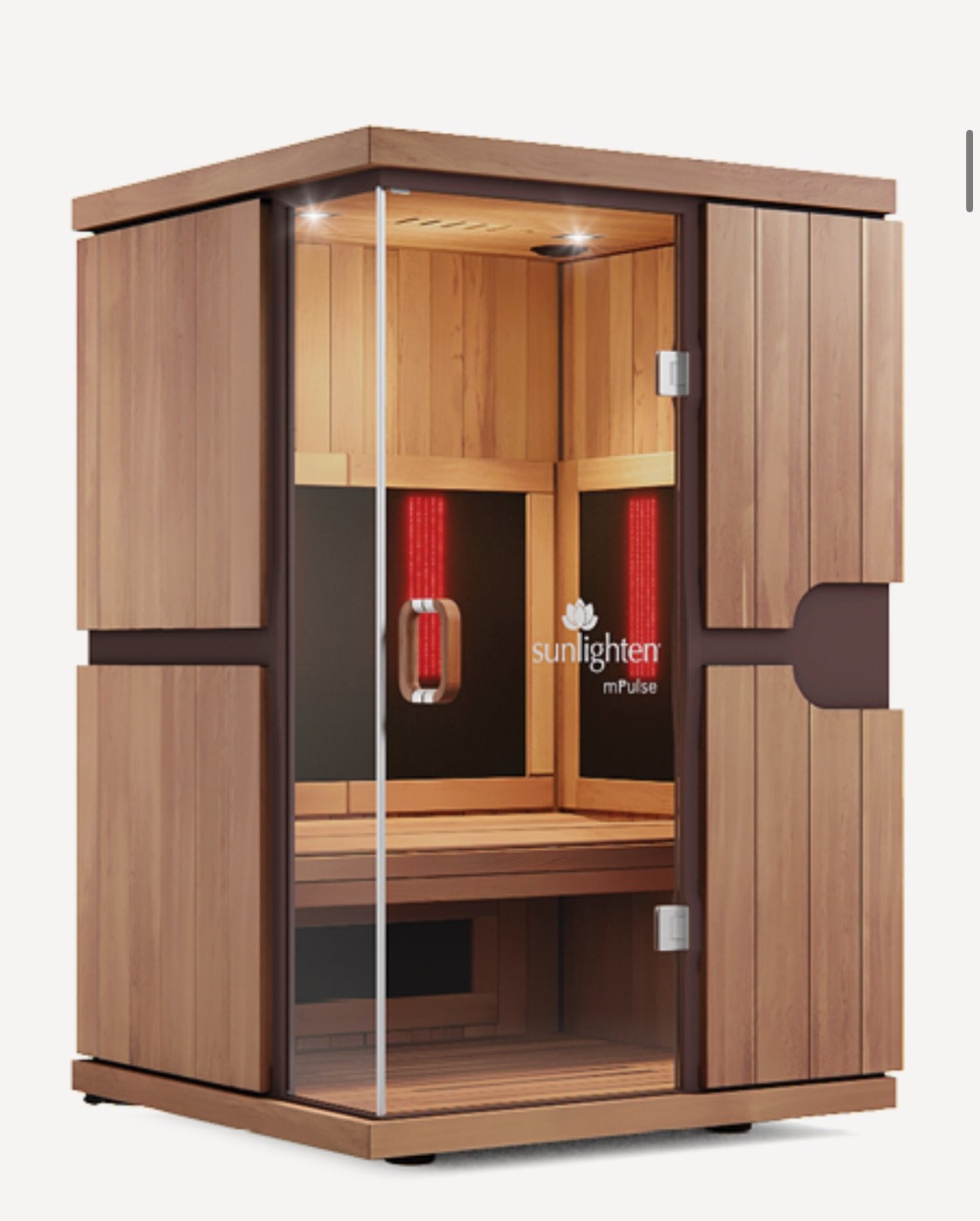
| Sunlighten Model M | Far Infrared | 1-2 persons | Wi-Fi control, carbon fiber heaters | Canadian Hemlock |
| Real Saunas Vantage | Far Infrared | 2-4 persons | Full-spectrum options, low EMF | Canadian Hemlock |
The Clearlight Infinity SA remains a benchmark for low-EMF safety and its proprietary SpectraLite technology, which adds red light therapy panels for skin and muscle benefits. It is ideal for those prioritizing health metrics and compact footprints. For larger households, the JNH Lifespan Signature offers robust capacity and reliable heating at a more accessible price point, making it a staple for family use.
If you prefer modern connectivity, the Sunlighten Model M stands out with Wi-Fi control and ultra-thin carbon fiber heaters that warm up faster than traditional carbon cloth. The Real Saunas Vantage provides flexibility with full-spectrum options, allowing users to adjust the heat intensity by combining far, mid, and near-infrared emitters. Each model serves a distinct niche, so your choice should depend on how much space you have and how you plan to use the heat.

As an Amazon Associate, we may earn from qualifying purchases.
When making your final decision, check the voltage requirements. Most portable or small indoor units run on standard 110V outlets, but larger, high-capacity models may require a dedicated 220V circuit. This electrical consideration is often the deciding factor for homeowners who want to install a sauna in a garage, basement, or spare bedroom without major renovations.
Check before you buy
Infrared saunas are heavy, complex appliances. A failure in the heating elements or control board can leave you with a $2,000 paperweight. Before you commit to a model, run through this inspection checklist to spot potential failure points early.

As an Amazon Associate, we may earn from qualifying purchases.
Ownership Costs That Change the Math
A sauna’s sticker price is just the entry fee. The real cost of ownership accumulates in electricity bills, maintenance supplies, and the inevitable replacement of parts that wear out from heat and humidity. When you compare a $1,500 entry-level unit against a $4,000 premium model, the difference often isn’t just in the wood—it’s in how efficiently that unit runs over a decade.
Infrared saunas are generally more energy-efficient than traditional steam saunas because they heat the body directly rather than the air. However, efficiency varies wildly by brand. A poorly insulated cabin with low-wattage heaters might take twice as long to reach temperature, burning more electricity per session. Always check the wattage and insulation quality. Look for units with R-value rated insulation and heaters from reputable manufacturers like Clearlight or Sunlighten, which tend to have better long-term efficiency profiles.
Don’t overlook the cost of wood care. Hemlock and cedar, the most common sauna woods, require periodic sanding and oiling to prevent cracking and warping. Cheap saunas often use thinner, lower-grade wood that degrades faster, leading to early replacement costs. A premium unit with thick, kiln-dried wood might cost more upfront but will likely last decades with minimal upkeep.
Finally, consider the cost of repairs. Electronic controllers, heaters, and glass doors are the most common failure points. Brands that offer comprehensive warranties and readily available parts can save you hundreds in unexpected repair bills. Read the fine print on warranty coverage—it’s the best insurance policy you can buy for your sauna investment.
No comments yet. Be the first to share your thoughts!