

Infrared saunas and the 2026 efficiency shift
Heating a home is expensive enough without adding a sauna to the electric bill. It is a frustrating trade-off: you want the health benefits, but you don't want the utility spike. Infrared technology is changing that. Newer smart models are finally efficient enough to run daily without a massive cost penalty.
Data from Sola Sauna and Salus Saunas shows how these new designs affect your wallet. I've looked into the tech behind the 40% savings claims to see what actually works when you're shopping for a home unit.
The promise isn’t simply about lower bills; it's about enjoying the health benefits of regular sauna use – improved circulation, muscle recovery, stress reduction – without the guilt of excessive energy consumption. This guide will break down the specifics, moving beyond generalities to provide actionable information for informed decision-making.
Traditional vs. infrared energy costs
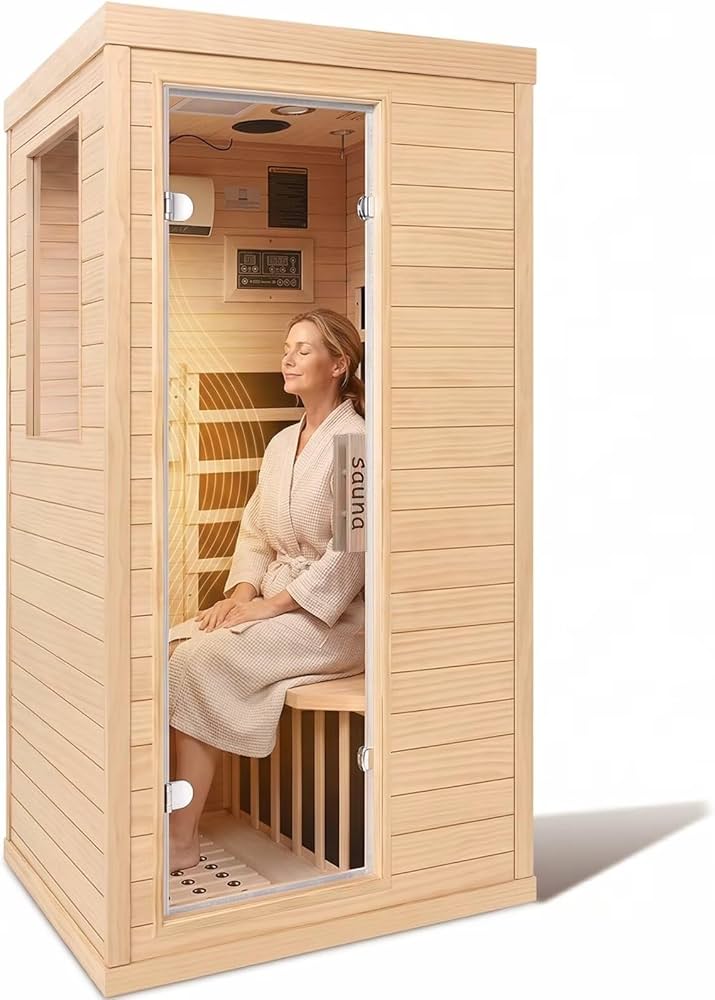
Understanding the difference in energy consumption begins with understanding how traditional and infrared saunas generate heat. Traditional Finnish saunas rely on heating a large mass of air, often to temperatures exceeding 185°F (85°C). This requires powerful heaters, typically ranging from 6kW to 9kW, and a considerable amount of time to reach the desired temperature. A typical 60-minute session might consume between 6 and 9 kilowatt-hours (kWh).
Infrared saunas, on the other hand, directly heat the body using infrared light. There are three main types of infrared: near, mid, and far. Near-infrared (NIR) penetrates the shallowest, mid-infrared (MIR) penetrates a bit deeper, and far-infrared (FIR) penetrates the deepest. FIR saunas generally operate at lower temperatures – between 120°F and 140°F (49°C and 60°C) – and use significantly less energy. A 60-minute session in a far-infrared sauna might use only 1.5 to 3 kWh, depending on the heater wattage and the size of the sauna.
The size of the sauna itself is a major factor. A larger sauna will require more energy to heat, regardless of the technology. A two-person infrared sauna will naturally consume less energy than a six-person model. Salus Saunas, for instance, offers models ranging in size and wattage, allowing consumers to tailor their energy usage to their needs. The key takeaway is that infrared saunas, particularly those utilizing far-infrared technology, are inherently more energy-efficient than their traditional counterparts.
Wattage isn't the whole story. A high-wattage heater that reaches temperature in ten minutes often uses less total power than a weak heater that struggles for an hour. Look at the total kilowatt-hours (kWh) per session instead of just the heater's peak rating.
- Traditional Sauna (6kW, 60 min): 6 kWh
- Traditional Sauna (9kW, 60 min): 9 kWh
- Infrared Sauna (1.5kW, 60 min): 1.5 kWh
- Infrared Sauna (3kW, 60 min): 3 kWh
Home Sauna Energy Consumption Comparison (Estimated)
| Sauna Type | Typical Wattage | Average Session Length | Estimated kWh Usage per Session | Cost per Session (at $0.17/kWh) |
|---|---|---|---|---|
| Traditional Sauna | 6,000 - 9,000 Watts | 20-30 minutes | 1.0 - 1.5 kWh | $0.17 - $0.26 |
| Near Infrared Sauna | 1,000 - 2,000 Watts | 15-25 minutes | 0.25 - 0.5 kWh | $0.04 - $0.09 |
| Mid Infrared Sauna | 1,500 - 2,500 Watts | 20-30 minutes | 0.5 - 0.83 kWh | $0.09 - $0.14 |
| Far Infrared Sauna | 1,200 - 1,800 Watts | 25-40 minutes | 0.5 - 1.0 kWh | $0.09 - $0.17 |
| Smart Infrared Sauna (Optimized) | 800 - 1,500 Watts | 20-30 minutes | 0.33 - 0.5 kWh | $0.06 - $0.09 |
Illustrative comparison based on the article research brief. Verify current pricing, limits, and product details in the official docs before relying on it.
Smart tech drives 2026 savings
The 40% cost savings figure isn’t just about switching to infrared; it’s about leveraging the power of smart technology. Modern infrared saunas are increasingly equipped with features designed to minimize energy waste and optimize performance. These features are becoming standard in 2026 models, and are a major driver of the efficiency gains.
Zoned heating is a standout innovation. Instead of heating the entire sauna uniformly, zoned heaters allow users to target specific areas of the body – the core, the back, the legs – where infrared heat is most beneficial. This reduces the overall energy demand because the heaters don’t need to operate at full power for the entire session. Sola Sauna highlights this feature as a key component of their energy-saving designs.
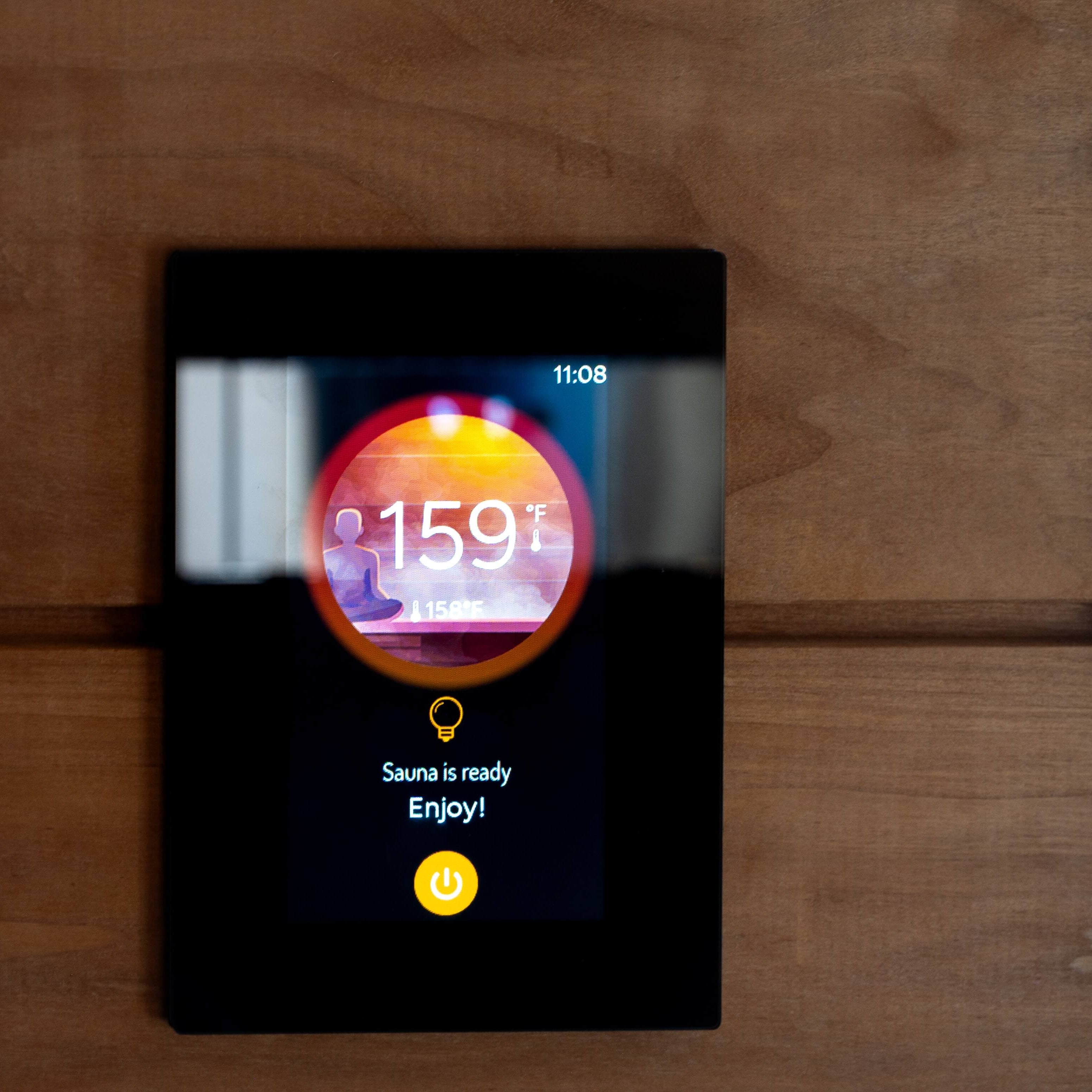
Smart timers and app control are also essential. These features allow users to schedule sauna sessions remotely, ensuring the sauna only operates when needed. No more accidentally leaving the sauna running for hours! App control also provides the ability to adjust temperature settings and heating zones on the fly, further optimizing energy usage. Many models now include automatic shut-off features for added safety and efficiency.
Energy monitoring is another valuable addition. Some smart saunas provide real-time data on energy consumption, allowing users to identify usage patterns and make informed adjustments. This data can reveal, for example, that certain heating zones are rarely used or that sessions are consistently longer than necessary. Emerging technologies, like predictive heating, analyze usage patterns and pre-heat the sauna just before a scheduled session, minimizing standby energy loss.
The integration of these technologies isn’t just about saving money; it’s about creating a more personalized and convenient sauna experience. It’s a shift towards a smarter, more sustainable approach to wellness.
Zoned heating: precision power reduction
Zoned heating isn't a one-size-fits-all approach. It’s rooted in understanding how different infrared wavelengths interact with the body. Near-infrared penetrates superficially, benefiting the skin, while mid-infrared targets deeper tissues. Far-infrared penetrates the deepest, providing systemic benefits.
Heater placement makes the difference. By focusing panels on your torso and back, the sauna warms your core and blood vessels directly. You don't need to waste energy heating the air around your feet or the corners of the room. Some models let you turn down specific zones if you only want a back treatment, which cuts power use further.
Advanced saunas, like certain models offered by Salus Saunas, feature multiple independent heating elements, allowing for precise control over each zone. This level of customization enables users to create a personalized heat experience that is both effective and energy-efficient. By targeting heat only where it’s needed, users can significantly reduce overall energy consumption.
It’s not simply about reducing wattage; it’s about maximizing the therapeutic impact of each watt. Zoned heating ensures that every bit of energy is used effectively, delivering optimal results with minimal waste.
Insulation and materials
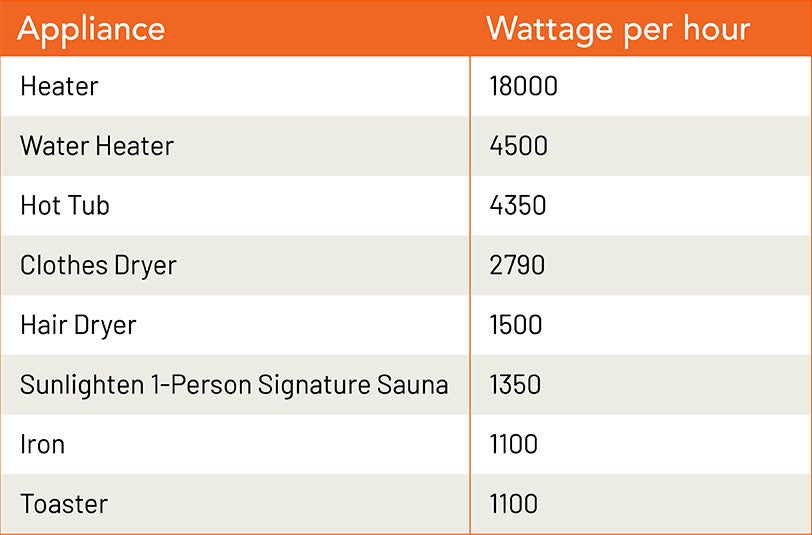
Beyond the heaters themselves, the construction of the sauna significantly impacts its energy efficiency. Proper insulation is paramount. Just like a well-insulated home, a well-insulated sauna will retain heat more effectively, reducing the amount of energy needed to maintain the desired temperature.
Different wood types offer varying degrees of insulating properties. Cedar is a popular choice due to its natural resistance to moisture and decay, but it’s not the most efficient insulator. Hemlock provides better insulation, while spruce offers a more economical option. The thickness of the wood also plays a role – thicker planks provide greater insulation.
Door seals and window design are often overlooked, but they are critical for minimizing heat loss. A poorly sealed door or single-pane window can negate the benefits of even the best insulation. Look for saunas with tight-fitting doors and double-pane windows.
Sustainable material choices are also gaining traction. Using responsibly sourced wood and eco-friendly insulation materials can further reduce the environmental impact of your sauna. This is a growing consideration for consumers who are looking for both energy efficiency and sustainability.
Smart home integrations
The “smart” aspect of modern saunas extends beyond energy management. Integration with smart home ecosystems – Amazon Alexa, Google Assistant, and Apple HomeKit – adds a layer of convenience and control. Voice control allows you to start and stop sessions, adjust temperature settings, and control heating zones without lifting a finger.
Automated routines can further optimize energy use. For example, you can create a routine that automatically lowers the temperature after a set period of time or turns off the sauna if no motion is detected. Integration with energy management systems allows the sauna to respond to real-time electricity prices, scheduling sessions during off-peak hours to save money.
Security features are also becoming increasingly common. Smart saunas often include remote locking mechanisms and alerts if the sauna is accessed without authorization. The convenience and lifestyle benefits are clear – a seamless, integrated wellness experience.
It’s important to consider the privacy implications of smart sauna technology. Ensure that the sauna manufacturer has robust security measures in place to protect your data.
- Voice control to start or stop sessions and adjust heat hands-free.
- Automated Routines: Schedule sessions, lower temperature automatically
- Integration with home energy managers to run the sauna during cheaper off-peak hours.
- Remote Locking: Enhance security
Real-world savings and cost breakdowns
Let’s look at a hypothetical example. Consider a user who uses their sauna three times per week, with each session lasting 30 minutes. If they were using a traditional 6kW sauna at $0.15 per kWh, their annual energy cost would be approximately $315 (6kW x 0.5 hours/session x 3 sessions/week x 52 weeks = 46.8 kWh/week x $0.15/kWh x 52 weeks).
Now, let’s assume the same user switches to a smart infrared sauna that consumes 1.5kW per session. Their annual energy cost would drop to approximately $117 (1.5kW x 0.5 hours/session x 3 sessions/week x 52 weeks = 11.7 kWh/week x $0.15/kWh x 52 weeks). This represents a savings of approximately $198 per year, or roughly 63%.
This is a simplified example, and actual savings will vary depending on usage patterns, electricity rates, and the specific sauna model. However, it illustrates the potential for significant cost reductions. Remember to factor in maintenance costs and any available rebates or incentives. Some utility companies offer rebates for energy-efficient appliances, including saunas.
Salus Saunas and Sola Sauna both provide resources on their websites to help consumers estimate their potential savings. It’s always best to consult with a qualified electrician to assess your specific energy needs and determine the most efficient sauna solution for your home.

No comments yet. Be the first to share your thoughts!