

Sola sauna choices that change the plan
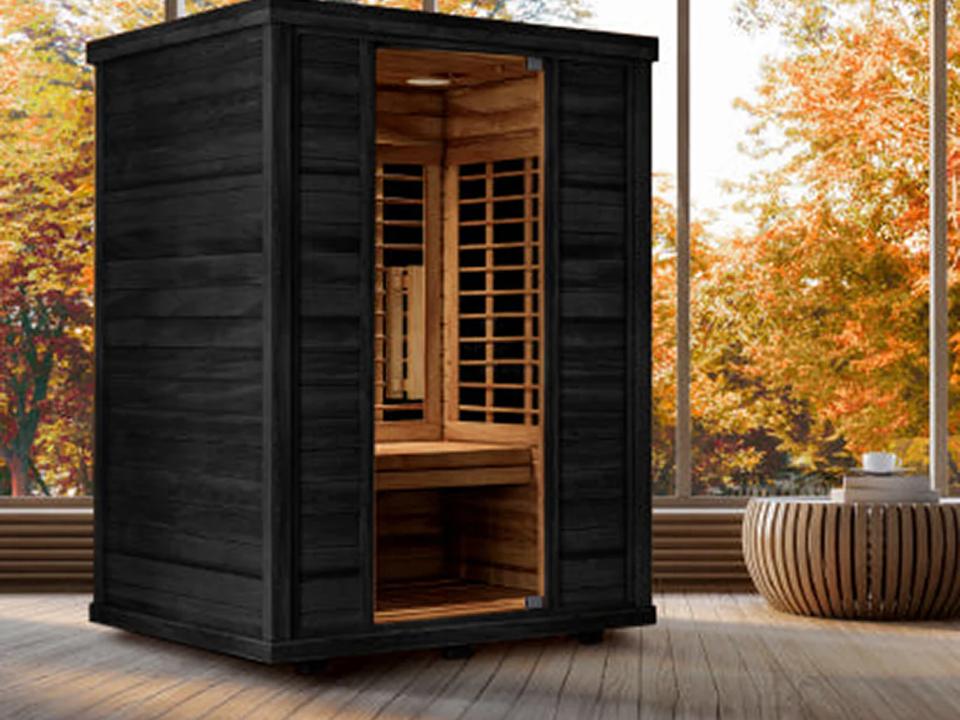
Choosing a Sola sauna means weighing its specific infrared technology against the raw heat of traditional models and the portability of soft tents. The Sola (and similar systems like the Solo) sits in a middle ground: it offers the health benefits of far-infrared heat without the installation complexity of a built-in cabin or the lack of privacy in a portable tent.
The decision usually hinges on three variables: space, heat preference, and budget. If you have a dedicated outdoor area, a Sola provides a permanent, weather-resistant sanctuary. If you need to move it for storage or travel, the tradeoff is a less insulated structure that may struggle to retain heat in extreme cold. Traditional saunas win on sweat intensity but lose on energy efficiency and setup speed.
To visualize these differences, compare the core specs across the main categories.
| Feature | Sola (Infrared) | Traditional Wood | Soft Tent |
|---|---|---|---|
| Heat Type | Far-infrared rays | Radiant + Convection | Infrared Panels |
| Setup Time | 1–2 hours | Days to weeks | 15 minutes |
| Energy Use | Low (120V) | High (240V) | Low (120V) |
| Privacy | High (Enclosed) | High (Enclosed) | Medium (Fabric) |
| Portability | Low (Heavy) | None | High (Foldable) |
The Sola’s primary advantage is its low voltage operation, allowing it to plug into standard outlets. This makes it accessible for renters or those without electrical upgrades. However, the tradeoff is that it takes longer to reach peak comfort temperatures compared to the instant heat of a wood-fired traditional sauna. If you prioritize immediate, intense heat for muscle recovery, a traditional model may be worth the installation hassle. If you prefer a gentler, deeper heat that is easier on the cardiovascular system, the Sola’s infrared approach is the better fit.
For small spaces, the Sola’s footprint is compact but fixed. You cannot roll it into a closet. If your space constraints are temporary or seasonal, a portable infrared tent offers a flexible alternative, though you will sacrifice the structural durability and aesthetic appeal of the Sola’s solid panels.
Where each option wins
Choosing between infrared and traditional saunas depends on how you plan to use the space and what kind of heat you tolerate. There is no single winner; each type serves a different lifestyle and physical comfort level.
Best for small spaces and renters: Infrared
Infrared saunas are the practical choice for apartments, condos, or homes where installing a permanent structure isn't an option. They are lighter, require less electrical infrastructure, and many models are portable. You can set one up in a bedroom or corner and roll it away when not in use. Because they operate at lower temperatures (120°F–140°F), they feel less intense, making them accessible for those who find traditional steam rooms overwhelming.
Best for deep muscle recovery and social use: Traditional
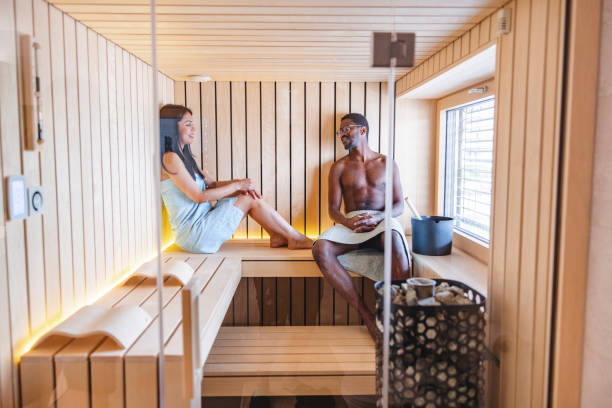
Traditional wood-burning or electric saunas are better suited for dedicated spaces like a garage, basement, or backyard shed. They reach higher temperatures (150°F–195°F) and create the intense, sweaty heat that many athletes and fitness enthusiasts prefer for deep tissue relaxation. The social aspect of a traditional sauna also makes it a stronger option for households that want to use the sauna together, as the heat penetrates faster and the experience is more communal.
Best for budget and installation ease: Infrared
Installation is significantly simpler with infrared models. They don't require the heavy electrical upgrades (like a 240V circuit) that many traditional saunas need, nor do they require the ventilation systems of wood-burning units. For homeowners on a tighter budget who want to start using a sauna immediately without construction work, infrared offers a lower barrier to entry.


As an Amazon Associate, we may earn from qualifying purchases.
Details worth checking
Before buying a home sauna, verify the specific exclusions in the warranty and the electrical requirements for your space. Manufacturers often exclude water damage, improper grounding, or damage from third-party modifications. A portable infrared sauna might seem simple, but it still requires a dedicated 15-amp circuit in many jurisdictions, not just a standard wall outlet.
Inspect the heating elements and wiring insulation. Cheaper models may use lower-grade materials that degrade faster under high heat. Check if the warranty covers the heaters separately from the cabinetry, as heaters often have shorter lifespans. Also, confirm the return policy for assembled units; many retailers charge steep restocking fees for heavy, built-in items.
Check your home’s breaker panel. Ensure you have a dedicated 220V circuit for traditional saunas or a grounded 110V circuit for most infrared models. Overloading circuits causes tripping and fire hazards.
Look for "act of God" clauses or exclusions for improper ventilation. Some warranties void coverage if the sauna is used outdoors without a proper roof or overhang.
Many home saunas are non-returnable once assembled. Confirm if you can return it disassembled and who pays for return shipping, which can exceed $500 for heavy units.
Sola sauna: what to check next
The Sola Sauna is a compact outdoor model built in Britain, designed to fit into smaller footprints while still accommodating up to three people. It operates as a traditional wood or electric-heated sauna rather than an infrared unit, making it a distinct choice for those seeking high-heat dry sessions in a backyard setting.
Is the Sola Sauna worth the price?
Starting around £12,000, the Sola commands a premium compared to portable infrared options. You are paying for durable British craftsmanship and a permanent outdoor structure. If your goal is a high-heat traditional experience that serves as a backyard sanctuary, the build quality justifies the cost. However, for budget-conscious users or those needing mobility, this is not the most cost-effective entry point.
How does it compare to portable infrared saunas?
The Sola differs fundamentally from portable infrared saunas like the Sunlighten Solo. Infrared saunas use lower ambient temperatures to penetrate the body directly, often requiring no installation and fitting in a living room. The Sola heats the entire air volume to higher temperatures, requiring a dedicated outdoor space and fixed installation. Choose the Sola for social, high-heat sessions; choose portable infrared for convenience and targeted heat therapy.
What are the installation requirements?
Because the Sola is a permanent outdoor structure, it requires a level, stable base such as concrete or paving stones. It does not need complex electrical hookups if you choose the wood-fired option, but electric models require a qualified electrician to connect to your home’s power supply. Unlike roll-away portable units, you cannot move the Sola once installed.
Can I use the Sola Sauna year-round?
Yes, the Sola is designed for all-weather use. Its insulation and construction allow it to retain heat effectively even in colder months. Many users enjoy the contrast of stepping out into cool, crisp air after a session, which is a hallmark of traditional sauna culture. Ensure you have appropriate outdoor lighting and possibly a sheltered path for safe winter access.
No comments yet. Be the first to share your thoughts!