

Sola sauna budget
The Sola sauna by Auroom Wellness sits in a different tier than typical portable units. It is a permanent, outdoor structure designed for backyard installation rather than temporary storage. This permanence drives the cost significantly higher than the sub-$2,000 range of most infrared panels.
Pricing for the Sola 140 Premium Outdoor Sauna typically starts around $9,900, depending on the finish and configuration. This is not a casual purchase; it is a backyard renovation project. The price reflects the use of premium thermally modified spruce, which offers better insulation and durability against the elements than standard cedar or pine.
When budgeting for the Sola, factor in more than just the unit cost. You will need a stable, level foundation, such as a concrete slab or reinforced pavers, to support the weight. Electrical work is also a consideration, as most models require a dedicated 240V circuit. If your home panel cannot support this, an electrician’s fee will add to the total.
The tradeoff is clear: you pay a premium for a structure that looks like part of your home and lasts for decades. If your goal is flexibility or a lower upfront cost, the Sola may exceed your budget. However, for those seeking a dedicated, high-quality recovery space that doesn’t need to be packed away, the Sola offers a durable, long-term solution.
Shortlist real options
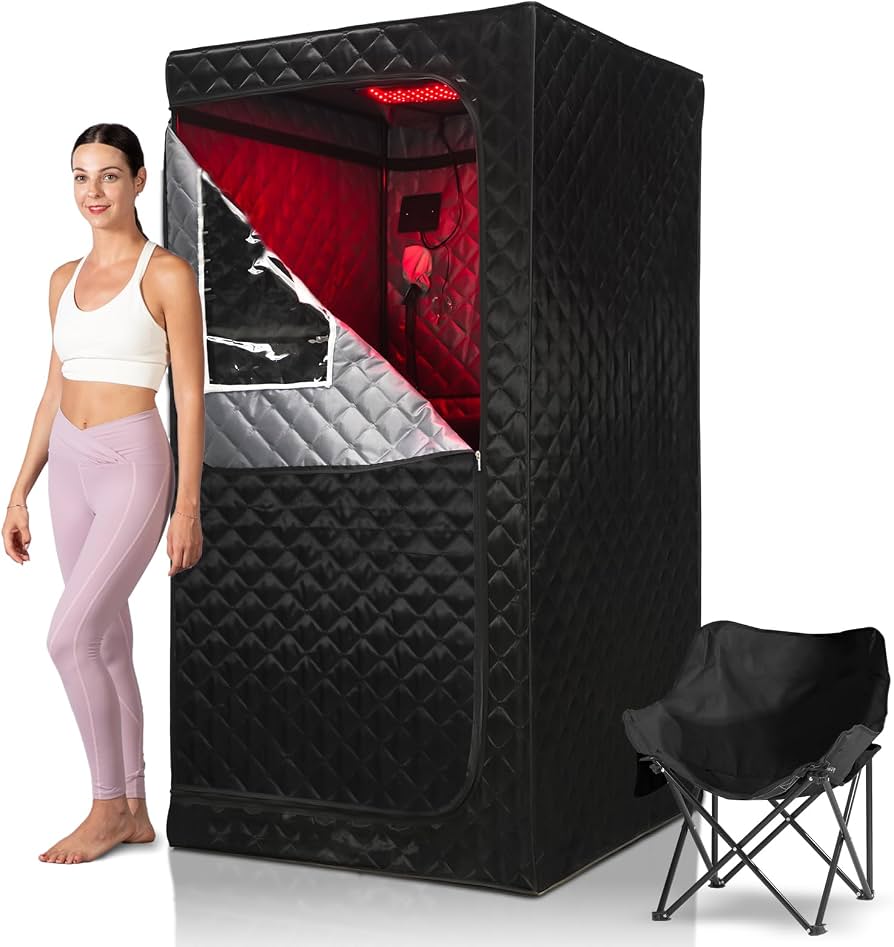
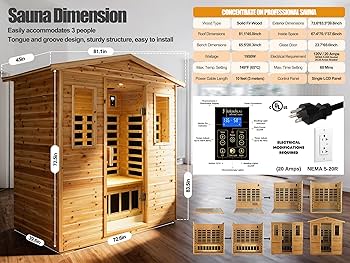
Finding the right infrared sauna for post-workout recovery means looking beyond marketing claims to actual build quality and heating technology. The Sola Sauna line, primarily offered through Auroom Wellness, stands out for its use of thermally modified spruce, a material that resists rot and warping better than untreated wood. This makes it a strong candidate for portable outdoor setups where weather exposure is a factor.
We compared the strongest Sola options against key recovery metrics: heating speed, EMF levels, and portability. While many portable saunas use thin vinyl or plastic shells, the Sola series offers a more durable, cabin-like experience. Below is a side-by-side comparison of the most relevant models available for serious home use.
The Sola 140 Premium is the flagship option for those with backyard space. Its thermally modified spruce construction provides excellent insulation, retaining heat more efficiently than standard pine saunas. This efficiency means faster warm-up times, which is critical after a workout when you want to start sweating quickly to flush lactic acid.
For users with limited space or those who want to move the sauna between indoor and outdoor settings, the Sola Lite offers a foldable design without sacrificing the warmth of wood. It uses carbon heaters exclusively, which emit lower electromagnetic fields (EMF) and provide a gentler, more even heat distribution. This is ideal for sensitive users or those focusing on relaxation rather than intense sweating.
The Sola Pro bridges the gap with full-spectrum heaters, combining infrared with visible light. This type of heating penetrates deeper into muscle tissue, making it a top choice for athletes targeting deep recovery. All models share the same high-quality wood construction, ensuring durability whether placed on a patio or in a garage.
When choosing between these options, consider your primary recovery goal. If you need deep muscle penetration, the Pro’s full-spectrum heaters are worth the investment. If space is tight, the Lite’s portability makes it easy to store away after use. Always verify current stock and pricing on the official Auroom Wellness site, as inventory for these specialized wooden cabins can fluctuate.
For those ready to purchase, we recommend checking the latest deals on Amazon or the official Auroom Wellness store. These platforms often offer bundle options that include accessories like headrests or control remotes, which can enhance your post-workout recovery routine.

As an Amazon Associate, we may earn from qualifying purchases.
Inspect the expensive parts
Infrared saunas and portable outdoor units rely on a few critical components that drive both cost and longevity. When you’re evaluating a unit, focus your attention on the parts most likely to fail or require costly replacement. Skipping this inspection can turn a premium investment into a maintenance headache.
Infrared panels are the heart of the system. Look for high-quality carbon or ceramic emitters rather than cheap quartz bulbs. Quartz elements can shatter under thermal stress and often need replacement every few years. Carbon panels are more durable and provide a more even heat distribution. Check for visible mounting brackets; loose panels can lead to uneven heating and premature failure.
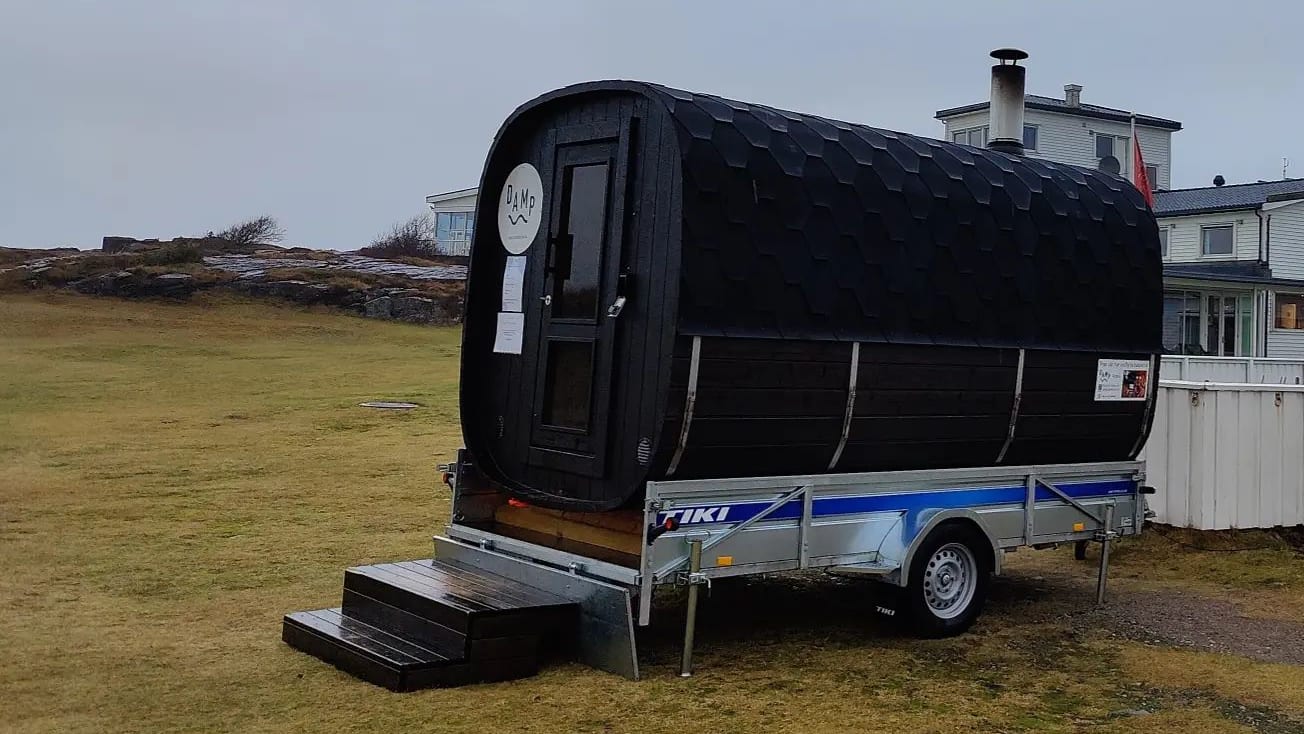
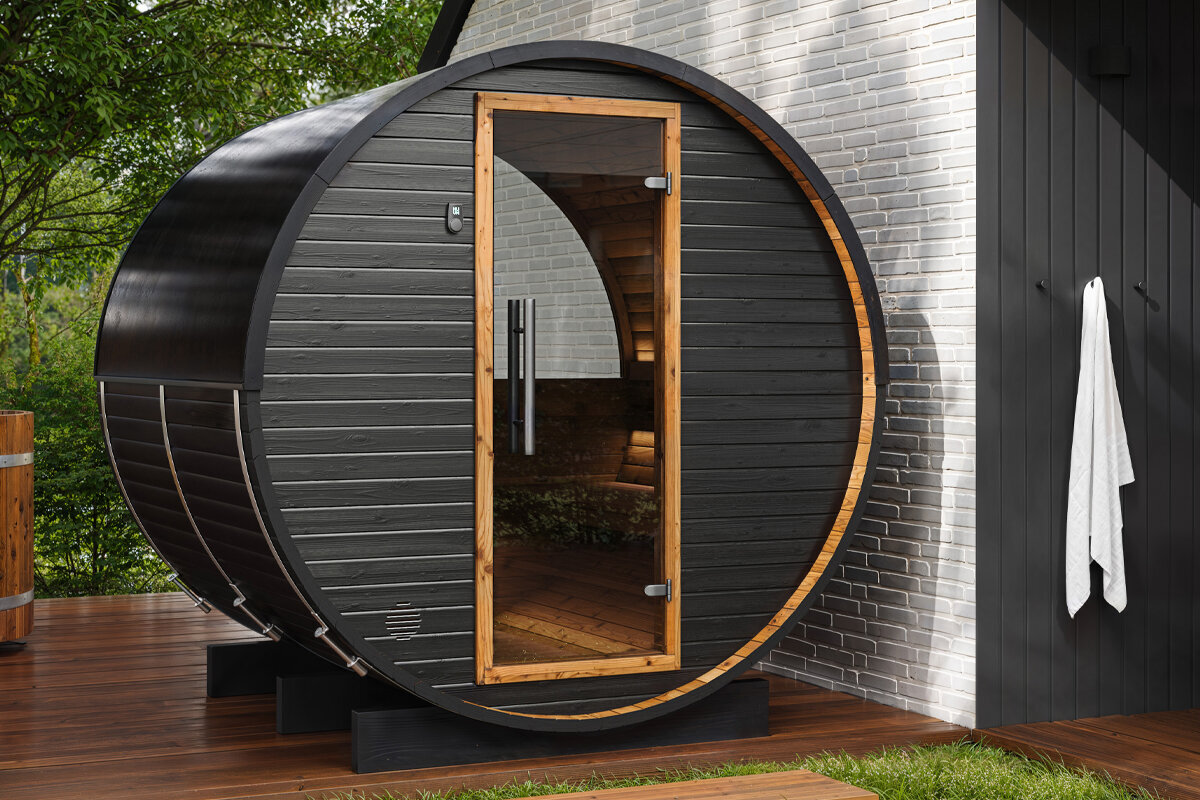
For outdoor and portable saunas, the wood quality determines structural integrity. Look for thermally modified spruce or hemlock, which resists warping and rot in humid conditions. Check the door seals carefully. A poor seal lets heat escape, forcing the heaters to work harder and shortening their lifespan. If the wood feels damp or shows signs of mold, walk away. Proper ventilation gaps are also essential to prevent moisture buildup.
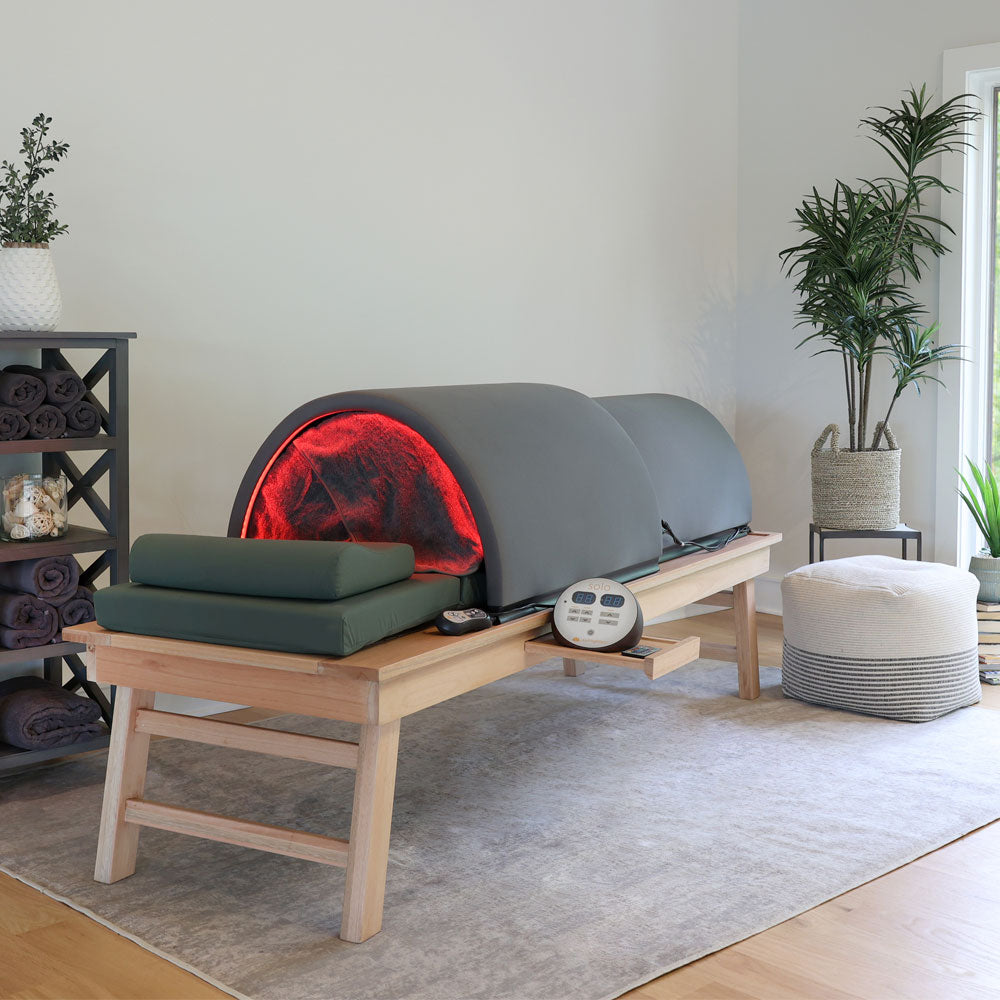
Infrared saunas draw significant power, especially when multiple panels are active. Ensure all wiring is rated for the load and properly insulated. Loose connections can cause arcing, which is a fire hazard. If the unit is portable or outdoor-rated, check that all electrical components are housed in weather-resistant enclosures. A simple multimeter check can reveal hidden resistance issues before you commit to a purchase.
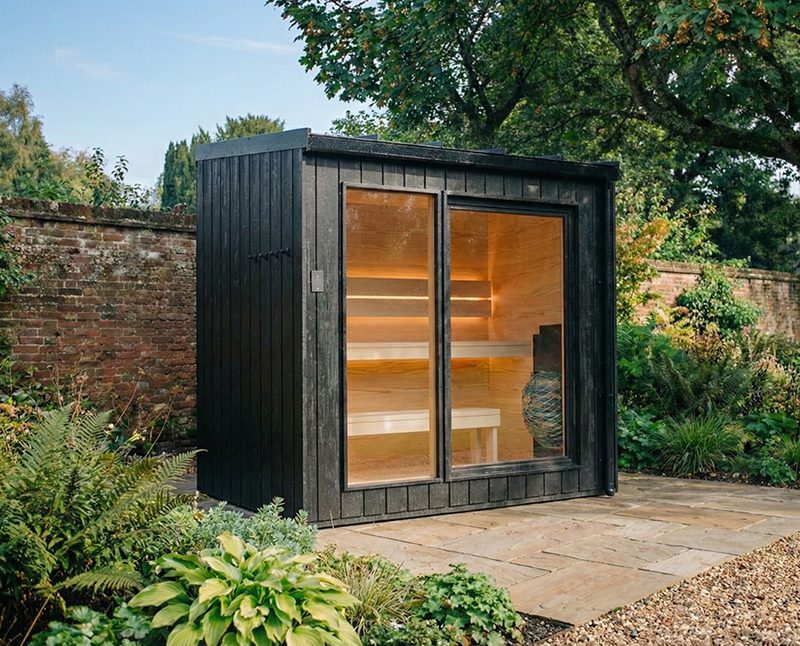
The brain of the sauna is its control system. A responsive, intuitive panel is non-negotiable. Test the temperature sensors for accuracy; they should stabilize within a few minutes of turning on. If the panel is unresponsive or shows error codes, the internal wiring may be compromised. For smart saunas, verify Wi-Fi connectivity and app integration, as these features often rely on fragile internal modules.
By focusing on these four areas, you can identify potential failure points before they become expensive repairs. Prioritize units with accessible components and clear warranty coverage for these key parts.
Plan for ownership costs
The upfront price of an infrared sauna is just the beginning. Your total cost of ownership depends on how often you use it and where you place it. A portable unit might save on installation, but it still draws significant power during sessions. If you plan to use it daily, the electricity bill becomes the most predictable hidden cost.
Infrared heaters are generally more efficient than traditional steam saunas because they heat your body directly rather than warming the air. However, a typical home unit draws between 1,200 and 1,500 watts. Running it for an hour a day adds roughly $15 to $25 per month to your utility bill, depending on your local rates. For portable outdoor options, ensure your power source can handle the load without tripping breakers or requiring expensive electrical upgrades.
Maintenance is minimal but not free. You will need to replace bulbs or heating elements every few years. Some wooden units require annual oiling to prevent cracking, especially if stored outdoors. Cheaper models often use lower-grade heaters that fail sooner. When a $500 unit breaks after two years, it costs more per year than a $2,000 model that lasts a decade. Factor in these long-term expenses before buying.


As an Amazon Associate, we may earn from qualifying purchases.
Choosing the right balance between initial price and long-term durability is key. A higher-quality unit with better insulation retains heat more efficiently, potentially lowering your monthly energy costs. Always check the warranty on heating elements and electrical components. These are the parts most likely to need replacement, and a solid warranty protects your investment against early failures.
Sola sauna: what to check next
We get asked a lot about the Sola Sauna, especially regarding its power source and setup. Here are the practical answers to the questions that matter most before you buy.
Do solar-powered saunas exist?
Yes, solar-powered options do exist. The ThermaSol Solaris Sauna Cabin is recognized as the world's first fully solar-powered, off-grid sauna. It brings sustainable luxury to virtually any location without needing a traditional electrical hookup. While the Sola Sauna typically requires standard electricity, solar integration is a growing trend for outdoor units.
Is the Sola Sauna difficult to assemble?
Most Sola models are designed for straightforward assembly. They often come as kits with pre-cut thermally modified spruce panels. You generally need basic tools and about two to four hours to put it together. If you aren't comfortable with DIY, hiring a handyman is a common and affordable route.
Can I use the Sola Sauna in winter?
Absolutely. The Sola Sauna is built for year-round use. The thermally modified spruce provides excellent insulation, keeping heat in during cold months and cool in summer. Many users find it just as effective in snow as it is in sunshine, making it a true four-season recovery space.
How much does a Sola Sauna cost?
Prices vary by model and customization. For example, the Sola 140 Premium Outdoor Sauna starts around $9,900. This price usually includes the premium natural edition and basic heating elements. You should budget for potential delivery fees and any optional upgrades like chromotherapy or advanced control panels.
No comments yet. Be the first to share your thoughts!