
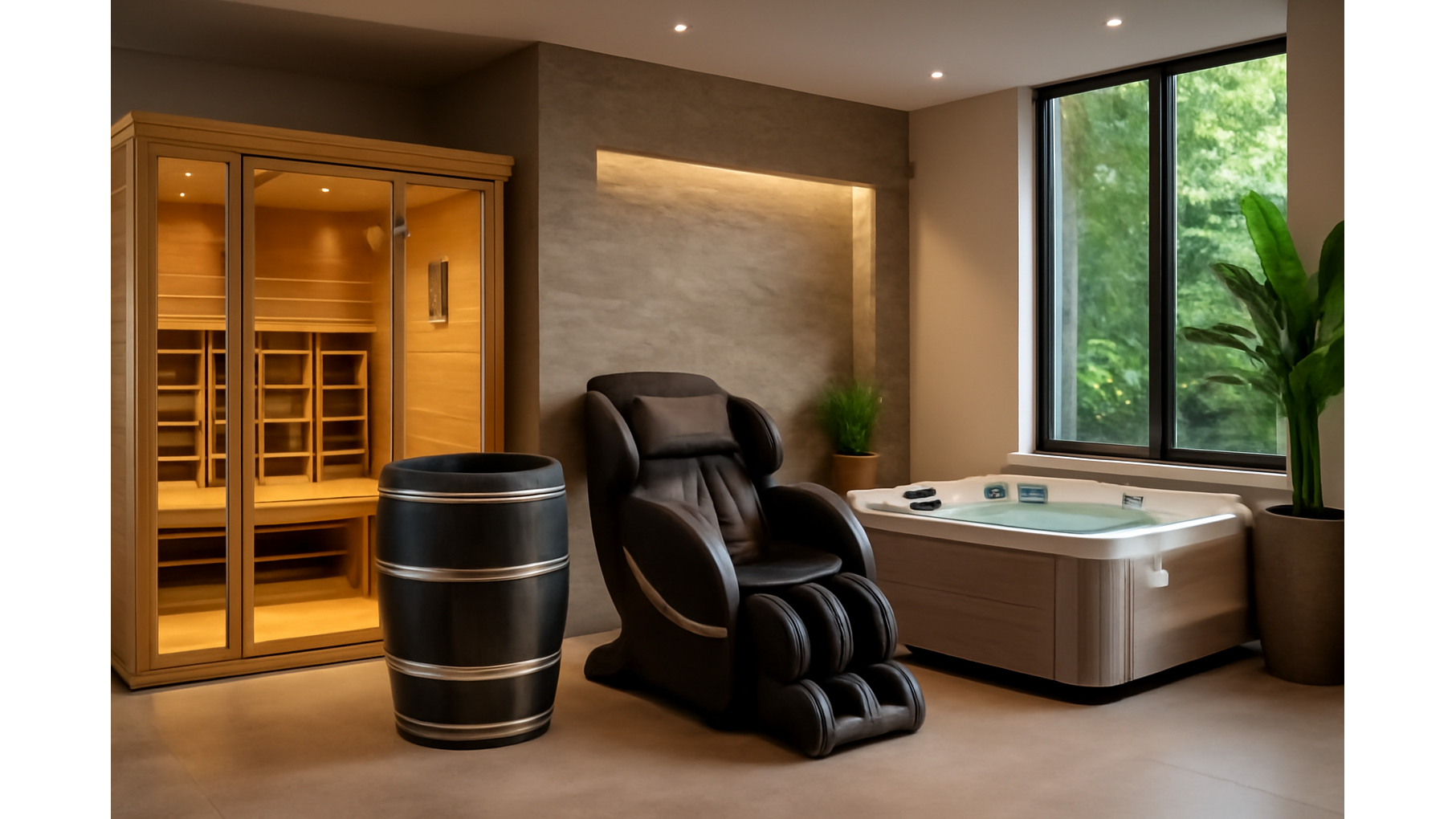
How infrared saunas aid recovery
Infrared saunas support post-workout recovery by penetrating deeper into muscle tissue than traditional steam saunas. While a conventional sauna heats the air around you, infrared panels emit light waves that warm your body directly. This mechanism allows you to sweat at lower ambient temperatures, typically between 120°F and 140°F, making the experience more tolerable while still raising your core temperature.
The physiological benefit lies in this deep tissue penetration. Heat stress triggers vasodilation, expanding blood vessels to improve circulation. Enhanced blood flow helps flush metabolic waste products like lactic acid from muscles while delivering oxygen and nutrients needed for repair. For athletes and active individuals, this process can reduce muscle soreness and accelerate recovery time between intense training sessions.
Research from institutions like the Mayo Clinic notes that this gentle heat stress can promote relaxation and improve cardiovascular function similarly to moderate exercise. Because the heat is less overwhelming, you can often stay in an infrared sauna longer than a traditional one, maximizing these recovery benefits. This makes infrared saunas a practical addition to a home recovery routine, especially for those with heat sensitivity or mobility limitations.
Best overall infrared sauna picks
Choosing the right infrared sauna for home recovery comes down to how well the unit balances heating efficiency, build quality, and user experience. Unlike traditional saunas that heat the air, infrared models use radiation to warm the body directly, allowing for deeper tissue penetration at lower, more tolerable temperatures. This makes them accessible for longer sessions, which is where the real recovery benefits accumulate.
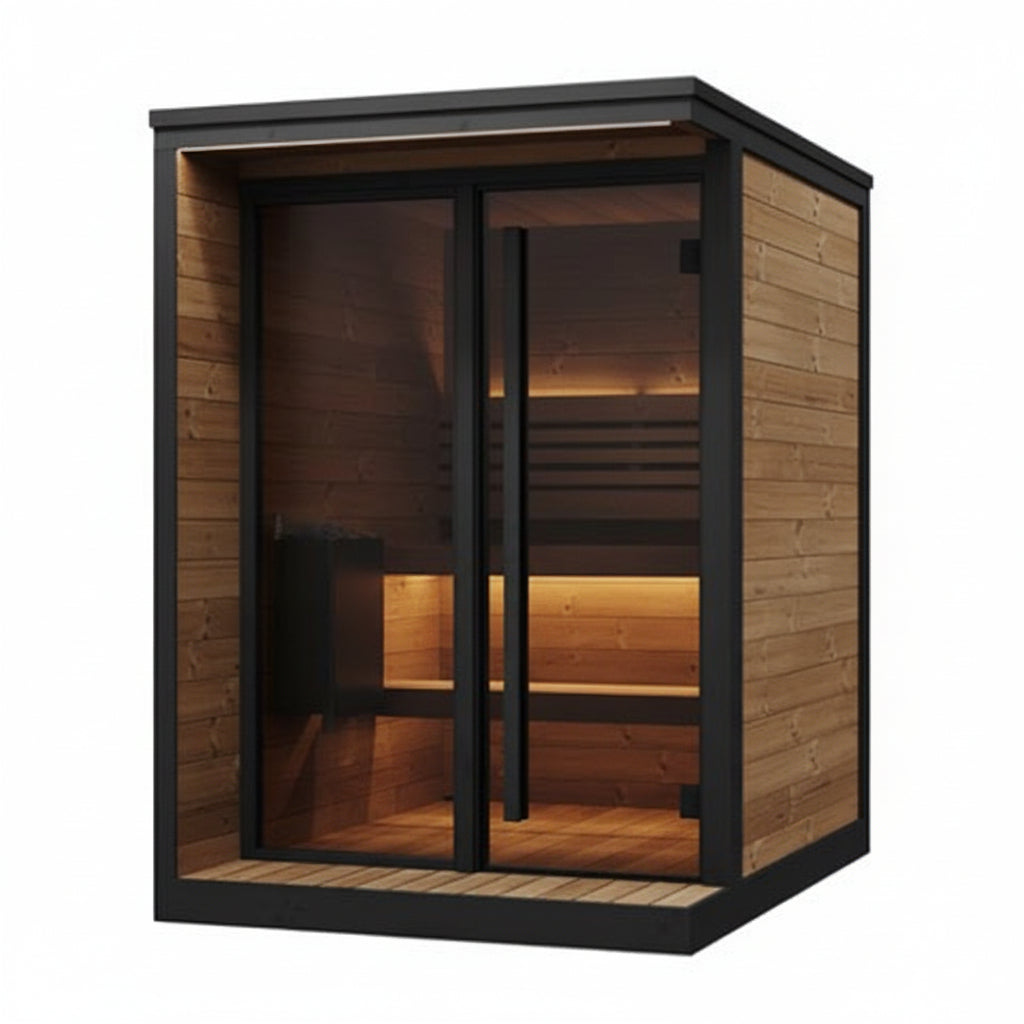
When evaluating top-rated models, look for units that prioritize even heat distribution and durable materials. The best options often feature high-quality carbon or ceramic heaters, low-EMF emissions, and ergonomic designs that fit comfortably in a home gym or spare room. Below are three standout infrared sauna models that consistently rank high for their reliability and performance.


As an Amazon Associate, we may earn from qualifying purchases.
These picks represent the current market leaders in build quality and heating consistency. Whether you need a compact two-person unit for tight spaces or a larger model for family use, these infrared saunas for home recovery offer the durability and performance needed for long-term wellness routines.
Portable saunas for flexible recovery
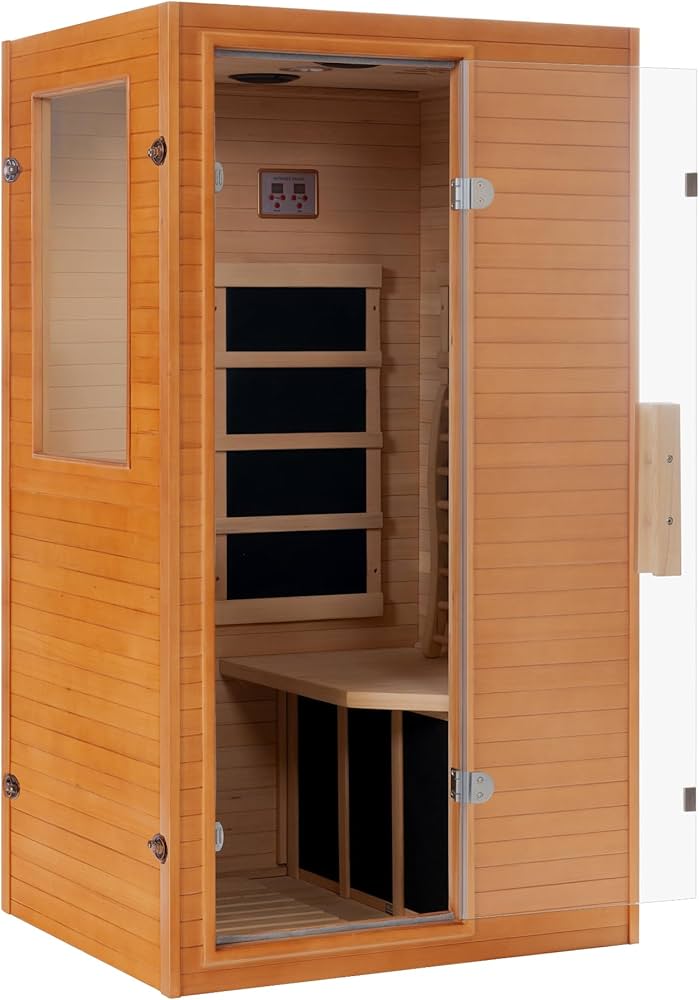
Portable infrared saunas solve the space problem. They fold down or deflate, fitting into apartments, rental units, or small rooms. The trade-off is heat retention. Fabric and thin panels lose warmth faster than wood cabins, so you may need longer sessions to reach the same deep-tissue heat.
The mechanism remains the same: infrared heaters emit light that warms your body directly rather than heating the air. This allows for comfortable use at lower ambient temperatures, but the loose fit of a portable unit can let heat escape around the opening.
Here are the most reliable portable options available on Amazon.


As an Amazon Associate, we may earn from qualifying purchases.
What to check before buying
An infrared sauna is a high-stakes purchase that sits in your home for years. Before you commit to a model, you need to verify the technical specs that actually affect your safety and recovery results. Abstract marketing claims about "detox" or "weight loss" rarely tell the whole story. Instead, focus on the hardware that keeps you safe and the design that makes the session effective.
1. Verify EMF levels
Electromagnetic fields (EMF) are emitted by the heaters and wiring inside the unit. While infrared heat itself is non-ionizing, high EMF exposure is something to minimize, especially when you are sitting close to the heaters for 30-45 minutes. Look for saunas that advertise "zero-EMF" or levels below 1 milligauss (mG). Brands like Clearlight and Sunlighten often publish these metrics, allowing you to compare them directly. If a manufacturer doesn't list EMF data, assume it is not a priority for them.
2. Check heater placement and type
Not all infrared heaters are created equal. Carbon heaters are generally preferred over ceramic ones because they emit a broader spectrum of far-infrared light and heat up more evenly. Equally important is placement. Heaters should be positioned to cover your back, chest, and legs without requiring you to hunch over. A good rule of thumb is that you should be able to sit upright with your back against the wall and your knees bent comfortably, with heaters facing your major muscle groups.
3. Assess ventilation and air quality
Saunas get hot and humid, even if the air feels dry compared to steam rooms. Proper ventilation is critical to prevent mold growth and ensure you are breathing fresh air. Check that the unit has an active ventilation system, not just passive vents. Some premium models include air purification or ozone-generating features to sanitize the interior between uses. This is a practical hygiene feature that separates cheap units from professional-grade equipment.
4. Confirm warranty and material safety
The longevity of an infrared sauna depends on the quality of the wood and the durability of the electronics. Look for units built from non-toxic, kiln-dried Canadian hemlock or Western red cedar, which resist warping and off-gassing. The warranty is your best indicator of build quality. A reputable manufacturer will offer at least a 3-year warranty on the heater and a 5-year warranty on the electronics. Read the fine print to see if the warranty covers labor or just parts.
Safe Infrared Sauna Usage and Hydration
Using an infrared sauna safely requires treating the heat as a physiological stressor rather than just a relaxation tool. Because far-infrared heat penetrates deeper into tissue than traditional steam saunas, your body’s cooling mechanisms work differently, making hydration the most critical safety factor. You should drink 16–20 ounces of water before your session and another 16 ounces afterward to replace fluids lost through sweat. Dehydration in this environment can lead to dizziness or fainting, especially during your first few uses.
Contraindications are significant for this type of heat therapy. The Mayo Clinic notes that infrared saunas may pose risks for individuals with cardiovascular conditions, low blood pressure, or those taking medications that affect heart rate. Pregnant women, people with open wounds, or those who have recently consumed alcohol should avoid infrared sauna use entirely. Always consult a physician before starting a routine if you have chronic health issues.
Start with short sessions of 10–15 minutes at lower temperatures (100–120°F) to assess your tolerance. If you feel lightheaded, nauseous, or uncomfortable, exit the sauna immediately and cool down gradually. Consistent, moderate use is safer and more beneficial than prolonged, intense exposure. For those who pass these safety checks, integrating an infrared sauna into your recovery routine can be a powerful tool for muscle relief and circulation.
No comments yet. Be the first to share your thoughts!