

Home saunas budget
2026 guide: Best Home Infrared Saunas for Post-Workout Recovery & Portable Options for Small Spaces works best when the purchase path is explicit. Verify the source, compare the offer against real alternatives, check the total cost, and confirm what happens after payment before you decide. After each comparison, write down the one risk that would change your mind. If the seller, condition, support, warranty, shipping, or upkeep still feels uncertain, resolve that question before moving to checkout.
The simplest way to use this section is to verify the seller, compare the total cost, and resolve the biggest risk before you commit.
Shortlist real options
2026 guide: Best Home Infrared Saunas for Post-Workout Recovery & Portable Options for Small Spaces works best as a clear sequence: define the constraint, compare the realistic options, test the tradeoff, and choose the path with the fewest hidden costs. That order keeps the advice usable instead of decorative. After each step, pause long enough to check whether the recommendation still fits the reader's actual situation. If it depends on perfect timing, unusual access, or a best-case budget, include a simpler fallback.
| Factor | What to check | Why it matters |
|---|---|---|
| Fit | Match the option to the primary use case. | A good deal still fails if it does not fit the job. |
| Condition | Verify age, wear, and service history. | Hidden condition issues erase upfront savings. |
| Cost | Compare purchase price with likely upkeep. | The cheapest option is not always the lowest-cost option. |
Inspect the expensive parts
Home saunas are built to endure extreme heat and humidity, but the components that generate that environment are the most likely to fail. Treating a sauna like a standard appliance is a mistake; it is a climate-controlled box that demands specific maintenance. Focusing your inspection on the heating elements and electrical connections will save you from the most costly repairs.
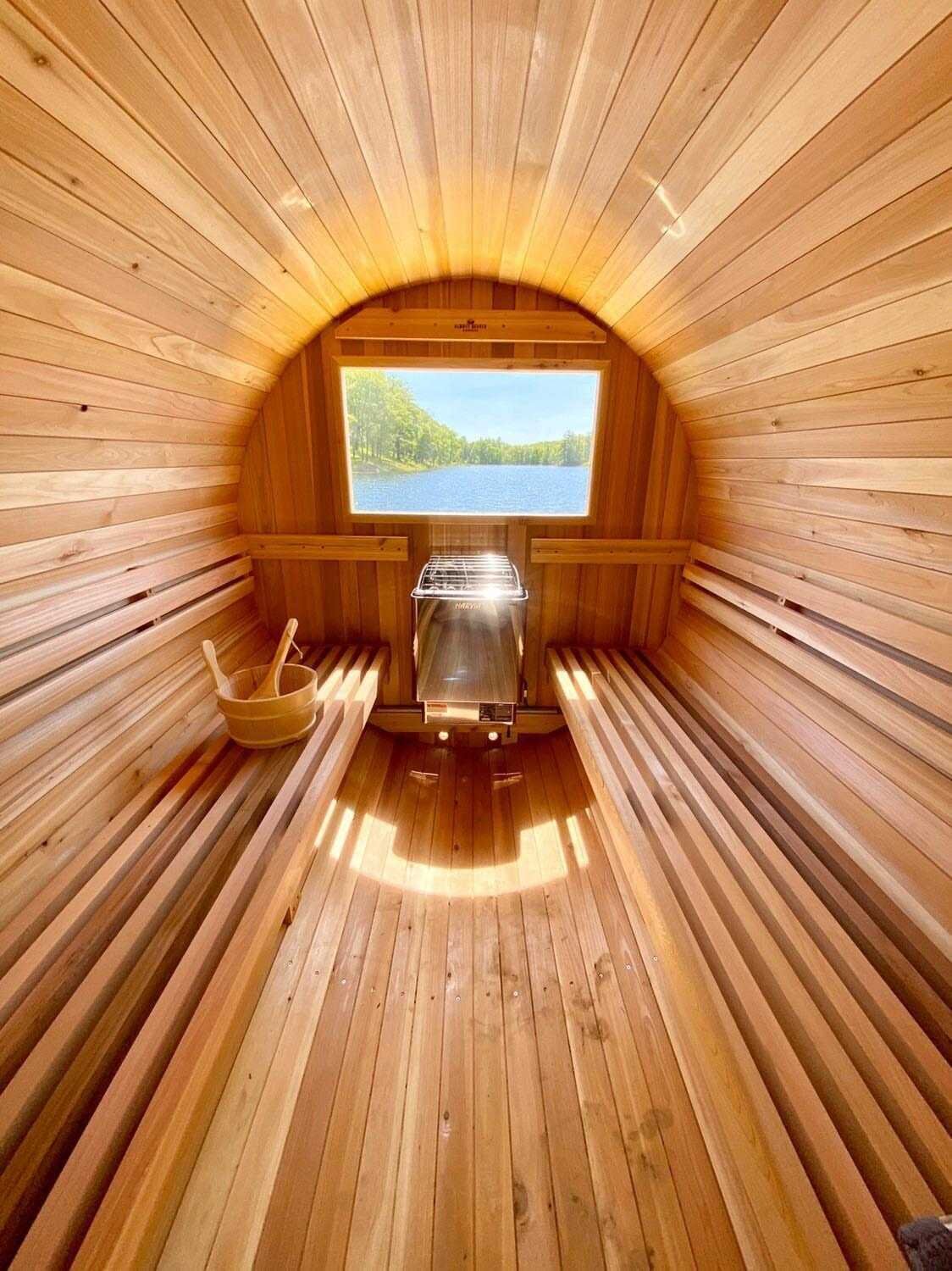
The heart of the unit is the heater. For traditional models, inspect the stones for cracks and ensure the heater is securely mounted. Infrared saunas rely on carbon or ceramic emitters. Look for dark spots or discoloration on the panels, which indicate hot spots or impending failure. If the heater flickers or smells like burning dust during the first use, verify the wiring connections before operating.
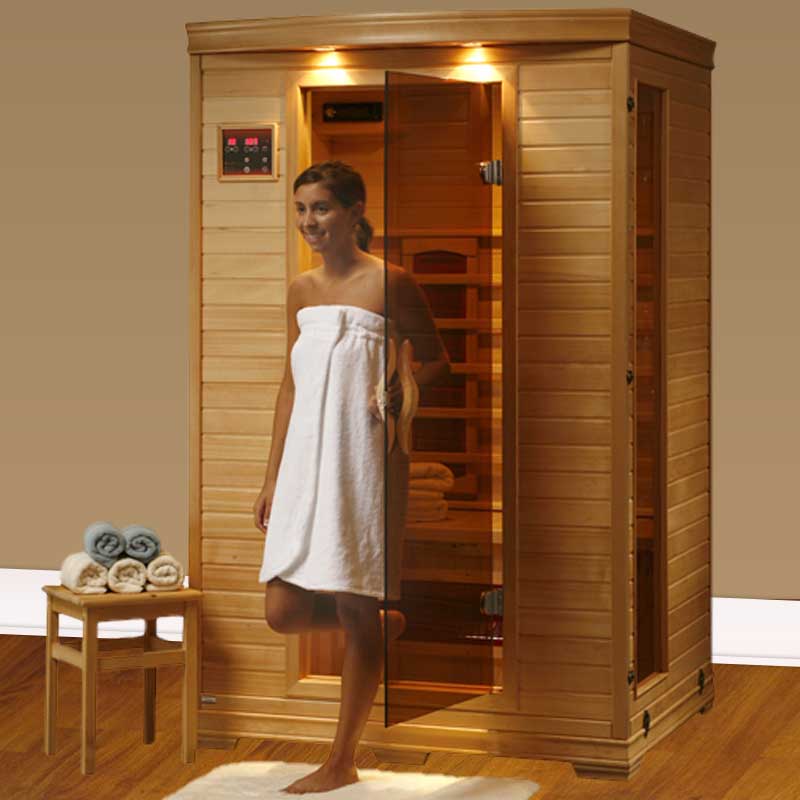
Saunas draw significant power, often requiring a dedicated circuit. Loose connections at the heater terminal or the main power entry point can cause arcing, which damages the wood and creates a fire hazard. Ensure all wires are tight, insulated, and away from the heating elements. If you smell ozone or see scorch marks on the wiring, disconnect the unit immediately.
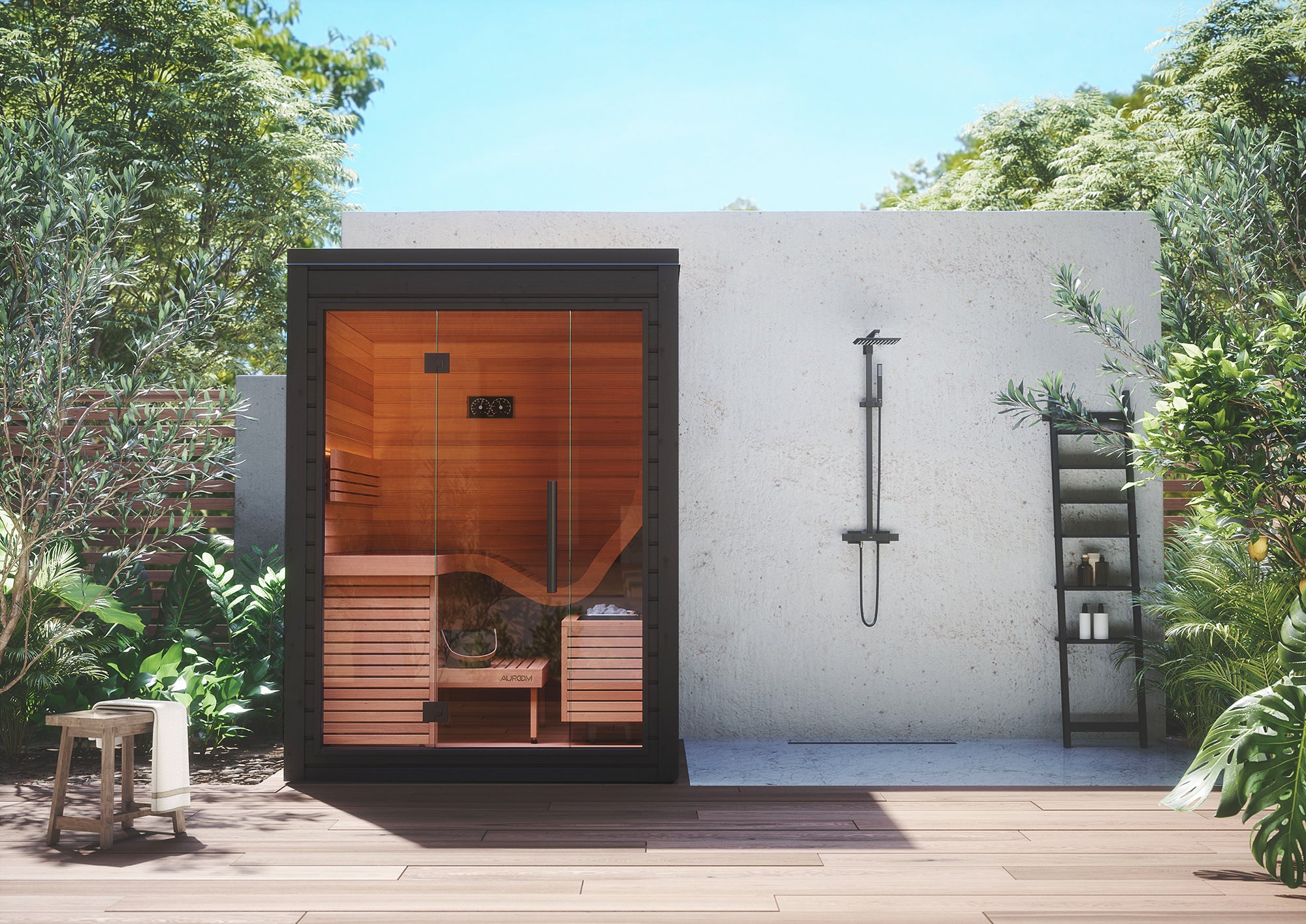
The brain of the sauna is the control panel. Check that the display is responsive and that the temperature readings match a reliable external thermometer. Faulty sensors can cause the sauna to overheat, triggering safety shutoffs or damaging internal components. Ensure the buttons or touch interface are sealed against moisture to prevent short circuits.
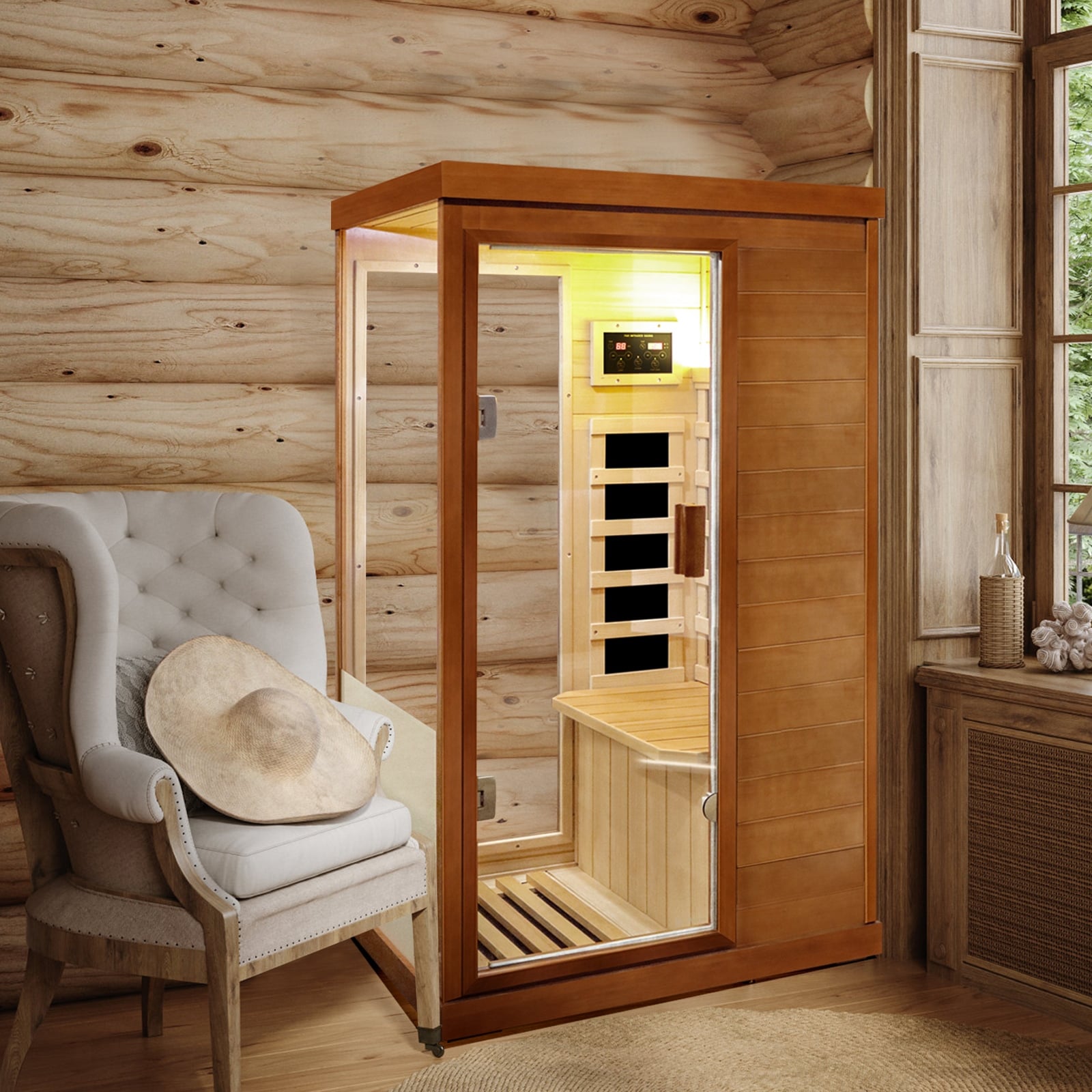
The wood, typically hemlock or cedar, expands and contracts with heat. Check for splits or warping in the benches and walls. Loose screws or joints can become sharp hazards or cause benches to collapse. Apply sauna oil annually to maintain the wood’s integrity and prevent it from drying out or absorbing sweat, which can lead to mold.
By focusing on these high-risk areas, you can extend the life of your sauna and ensure safe, consistent recovery sessions.
Plan for ownership costs
The sticker price is only the first expense. Home infrared saunas are electric appliances, and their running costs depend heavily on your local utility rates and how often you use them. Unlike a gym membership that charges a flat monthly fee regardless of usage, a home sauna’s cost scales with your habits. A 2-person unit typically draws between 1,200 and 1,500 watts. If you run it for an hour daily, you might add $10–$20 to your monthly bill, depending on whether your electricity rate is $0.12 or $0.30 per kWh.
Maintenance is relatively low, but it is not zero. You will need to replace heating elements every 5–10 years, which can cost several hundred dollars. The wooden interior requires occasional wiping with a damp cloth to remove sweat residue, and you should check the electrical connections annually. Cheap models often use lower-grade wiring or cheaper heaters that may fail sooner, turning a budget purchase into a frequent repair bill.
When a cheap buy stops being cheap is usually when the initial savings are outweighed by higher energy bills or early replacement costs. A well-built sauna from a reputable brand like SunRay or Dynamic Saunas may cost more upfront but often uses more efficient heaters and durable materials. This section helps you weigh the long-term value against the initial price tag.


As an Amazon Associate, we may earn from qualifying purchases.
Home sauna: what to check next
Before committing to a home sauna, it helps to understand the practical trade-offs. These answers address the most common concerns about cost, safety, and effectiveness.
No comments yet. Be the first to share your thoughts!