
Sola sauna budget
2026 guide: Top Home Saunas for Post-Workout Recovery & How to Build Your Own Infrared Sauna works best when the purchase path is explicit. Verify the source, compare the offer against real alternatives, check the total cost, and confirm what happens after payment before you decide. After each comparison, write down the one risk that would change your mind. If the seller, condition, support, warranty, shipping, or upkeep still feels uncertain, resolve that question before moving to checkout.
The simplest way to use this section is to verify the seller, compare the total cost, and resolve the biggest risk before you commit.
Shortlist real options
2026 guide: Top Home Saunas for Post-Workout Recovery & How to Build Your Own Infrared Sauna works best as a clear sequence: define the constraint, compare the realistic options, test the tradeoff, and choose the path with the fewest hidden costs. That order keeps the advice usable instead of decorative. After each step, pause long enough to check whether the recommendation still fits the reader's actual situation. If it depends on perfect timing, unusual access, or a best-case budget, include a simpler fallback.
| Factor | What to check | Why it matters |
|---|---|---|
| Fit | Match the option to the primary use case. | A good deal still fails if it does not fit the job. |
| Condition | Verify age, wear, and service history. | Hidden condition issues erase upfront savings. |
| Cost | Compare purchase price with likely upkeep. | The cheapest option is not always the lowest-cost option. |
Inspect the expensive parts
Infrared saunas look simple on the outside, but the internal components are where costs add up fast. When a heater fails or the wood warps, repair bills often eclipse the price of a new unit. Before you buy or build, check these specific points to avoid expensive surprises down the line.
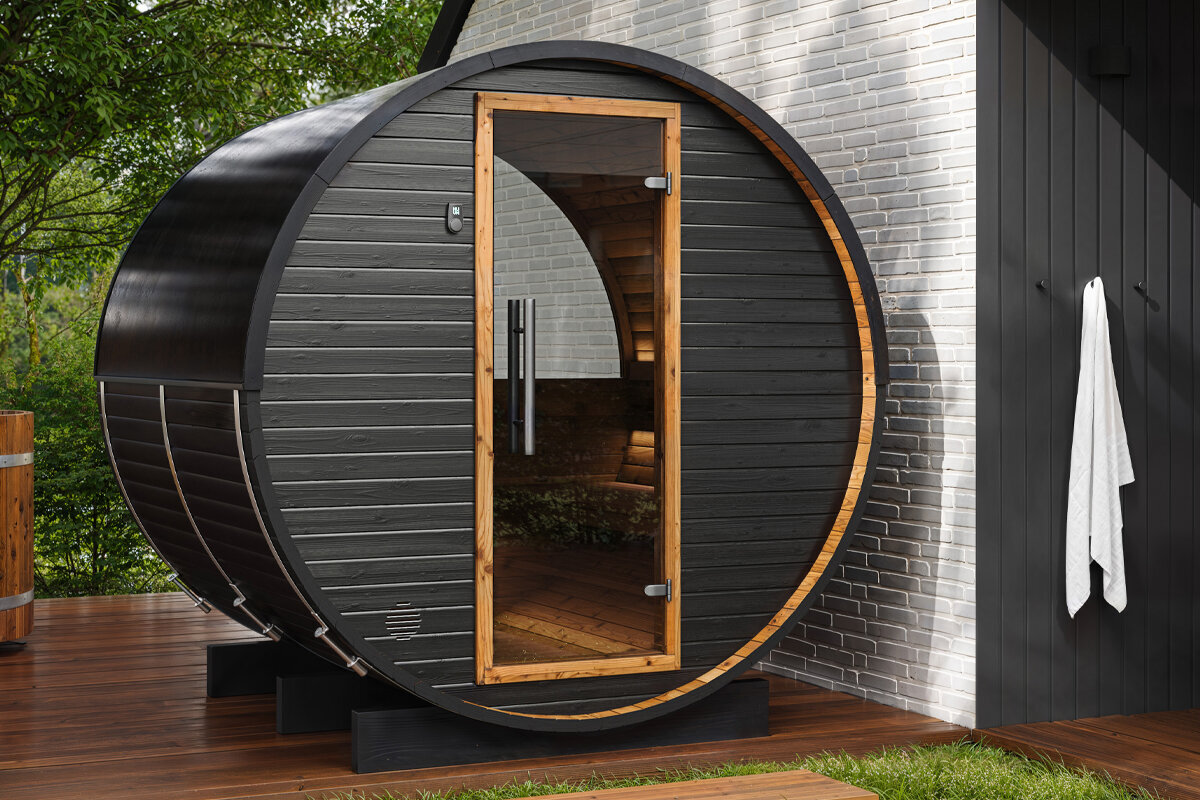
The heater is the heart of the sauna. Look for carbon or ceramic panels rather than cheap quartz bulbs, which burn out quickly. Ensure the mounting brackets are heavy-duty metal, not plastic. Loose heaters rattle and vibrate, leading to cracked panels and premature failure.
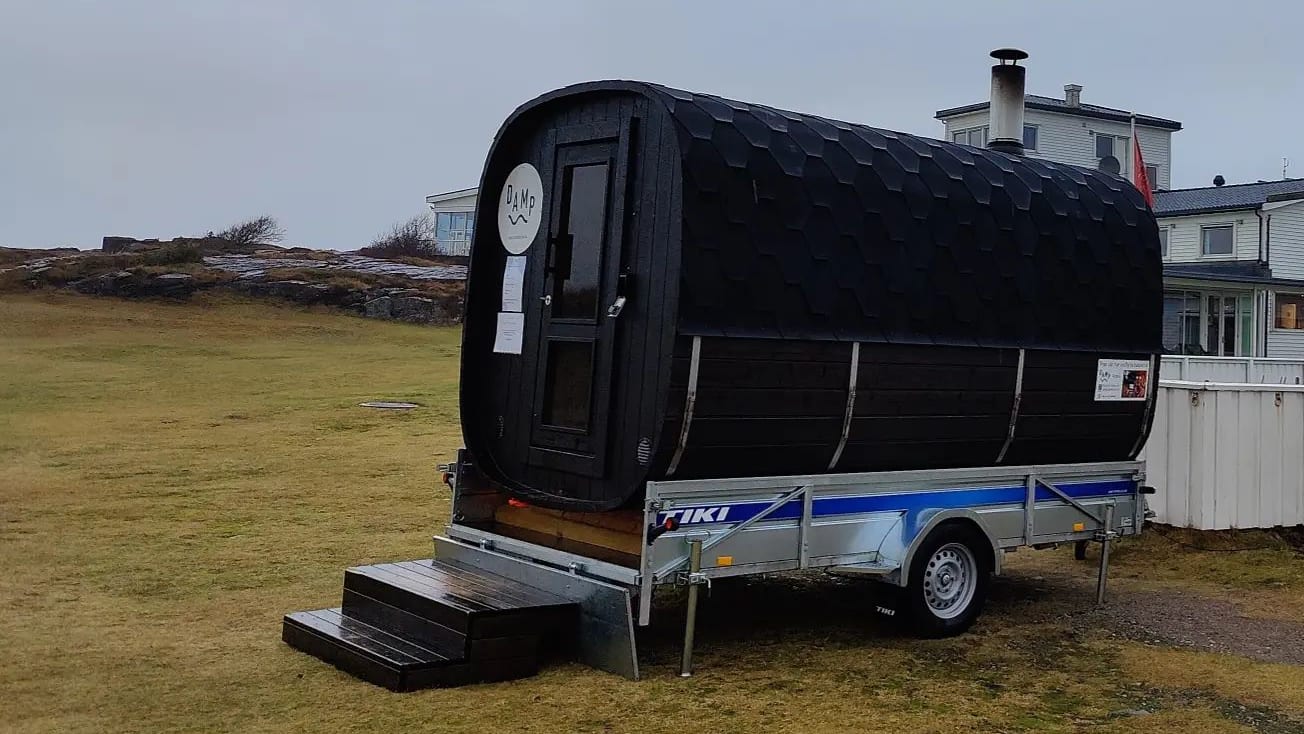
Cheap pine splits under high heat. Look for Canadian hemlock, red cedar, or basswood. These woods resist warping and smell better when heated. Check that the sealant is food-safe and non-toxic. A poor seal allows moisture into the wood grain, causing rot from the inside out.
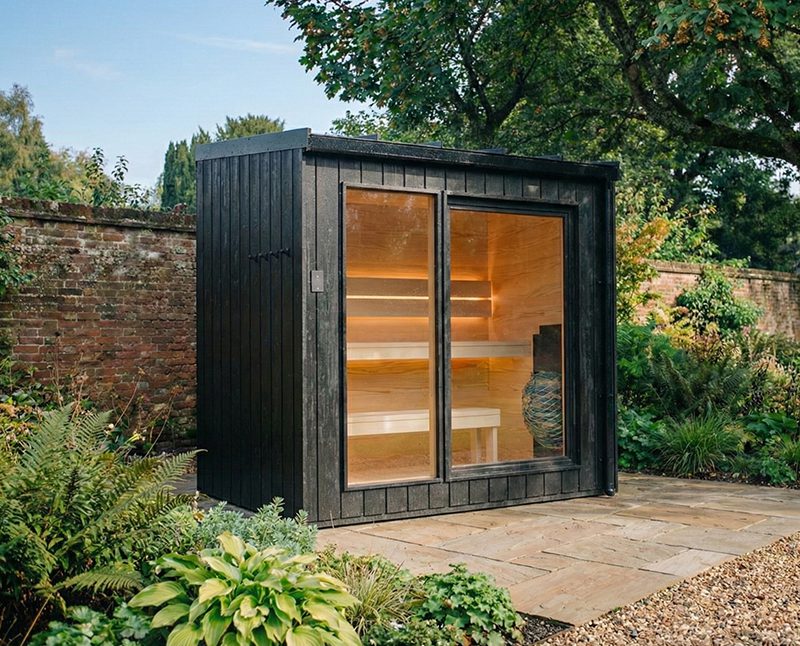
Saunas run hot, and heat degrades wire insulation over time. Ensure all internal wiring is rated for at least 104°C (220°F). Look for proper grounding and a GFCI breaker if installing near water. Poor wiring is a fire hazard and often voids manufacturer warranties.
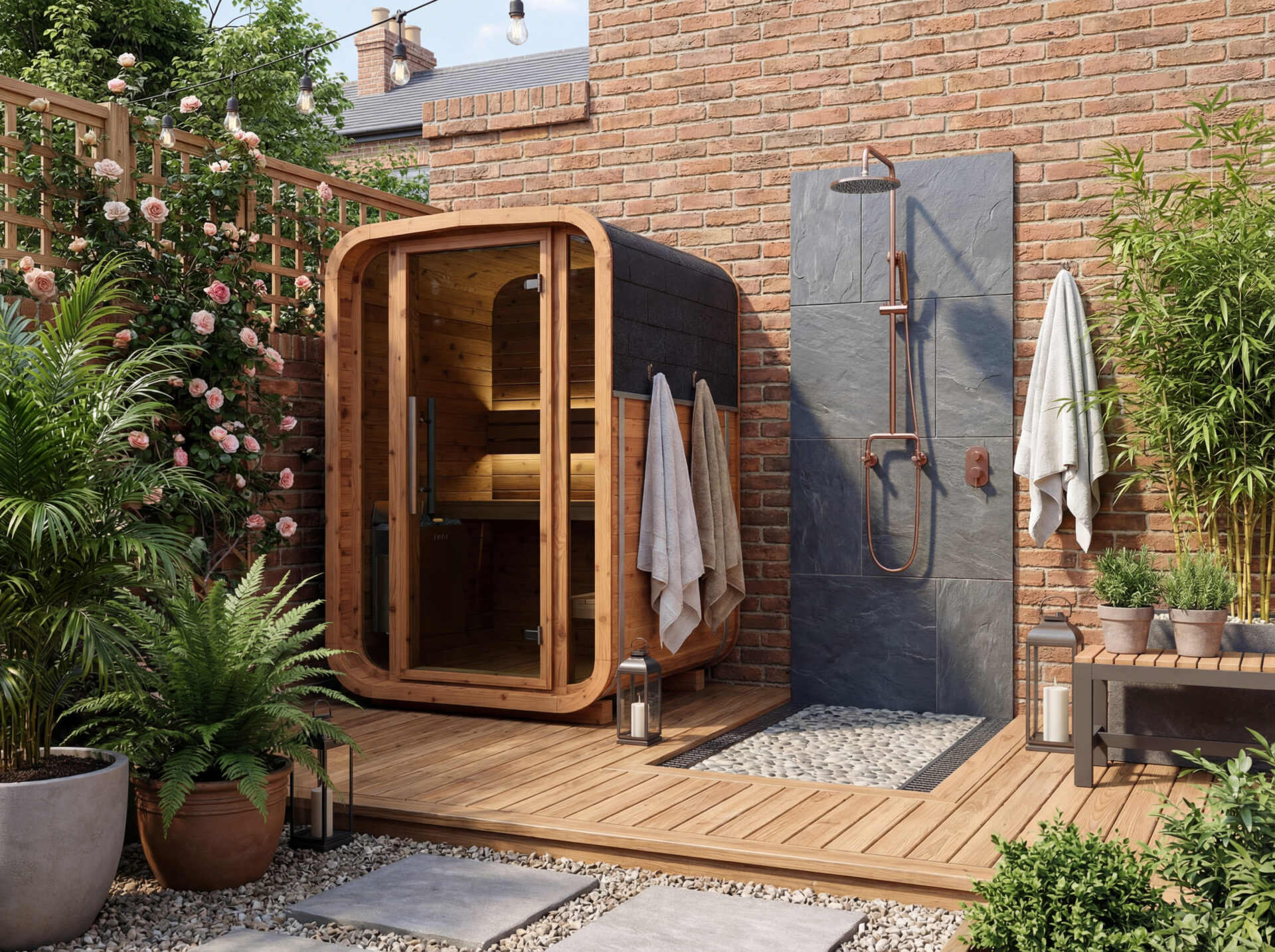
The control panel is the brain. Test the temperature accuracy against a standalone thermometer. Cheap sensors drift quickly, making it hard to maintain a consistent heat. Ensure the display is sealed against sweat and moisture. A failing panel can lock you out or overheat the room.
Taking these checks seriously protects your investment. A well-built sauna lasts decades; a poorly constructed one becomes expensive firewood.
Plan for ownership costs
The price tag is only the entry fee. True ownership costs for home saunas come from electricity usage, routine maintenance, and the inevitable replacement of parts that wear out from heat and sweat. A cheap unit often hides these expenses in higher energy bills or flimsy components that fail within a year. When evaluating a sauna, look at the total cost of ownership over five years, not just the initial purchase price.
Electricity and Heating
Infrared saunas are generally cheaper to run than traditional wood or electric saunas because they heat the body directly rather than the air, allowing for lower temperature settings. However, usage patterns matter. Running a sauna for 30 minutes daily will add a noticeable amount to your monthly electric bill, especially if your home’s electrical panel is already near capacity. Check the wattage of your chosen model; higher wattage means faster heat-up times but also higher peak energy draw.
Maintenance and Replacement Parts
Saunas are built to withstand high heat and humidity, but they require care. Interior wood panels can warp or fade if exposed to direct sunlight or if not cleaned regularly with appropriate saunacare products. Heaters and control panels are the most common failure points. Cheaper units may use generic parts that are hard to source, forcing you to replace the entire heater assembly. Premium brands often offer better warranty support and accessible spare parts, which saves money in the long run.
When a Cheap Buy Stops Being Cheap
A low-cost sauna might seem like a bargain, but it often lacks the insulation and quality heaters of higher-end models. This leads to longer heat-up times, uneven heating, and higher energy consumption. If the unit breaks down in year two, the cost of repair or replacement plus the wasted electricity can exceed the savings from the initial discount. Invest in a unit with a solid warranty and reputable brand support to avoid these hidden costs.


As an Amazon Associate, we may earn from qualifying purchases.
Sola sauna: what to check next
The Sola sauna is a compact, outdoor infrared unit designed for small footprints, typically seating two to three people. It is not the portable, tent-style "Solo" sauna often confused in search results, nor is it the specific model used by Joe Rogan, who generally uses traditional Finnish or high-end infrared cabins. The Sola is built for permanent or semi-permanent backyard installation, offering a sanctuary-like experience with aluminum finishes and efficient heat retention.
What is the Sola sauna?
The Sola is a freestanding, outdoor infrared sauna built for durability and aesthetic integration into your backyard. Unlike portable soft saunas, it is a structured unit, often constructed with aluminum and glass, designed to withstand weather while providing therapeutic heat. It seats up to three people, making it a compact but social option for post-workout recovery or relaxation without requiring a full indoor build-out.
What is the downside to an infrared sauna?
The primary trade-off with infrared saunas, including models like the Sola, is heat intensity. Infrared heaters warm your body directly rather than heating the air, which means the ambient temperature is lower (typically 120–140°F) but the perceived heat is deeper. Some users find this less "sweaty" in the traditional sense compared to a 180°F+ Finnish sauna. Additionally, outdoor units require a dedicated power source and a level, stable foundation, which adds to the initial setup complexity and cost.
What is the 200 rule for saunas?
The "200 rule" is a common benchmark in the sauna community suggesting that users should spend 200 minutes per week in the sauna to achieve optimal health benefits. This breaks down to roughly 30–40 minutes, five times a week. For Sola sauna owners, this means planning sessions that fit into a regular routine, ensuring consistent heat exposure for cardiovascular and muscle recovery benefits without overexertion.
No comments yet. Be the first to share your thoughts!