

Infrared Sauna Budget Fit
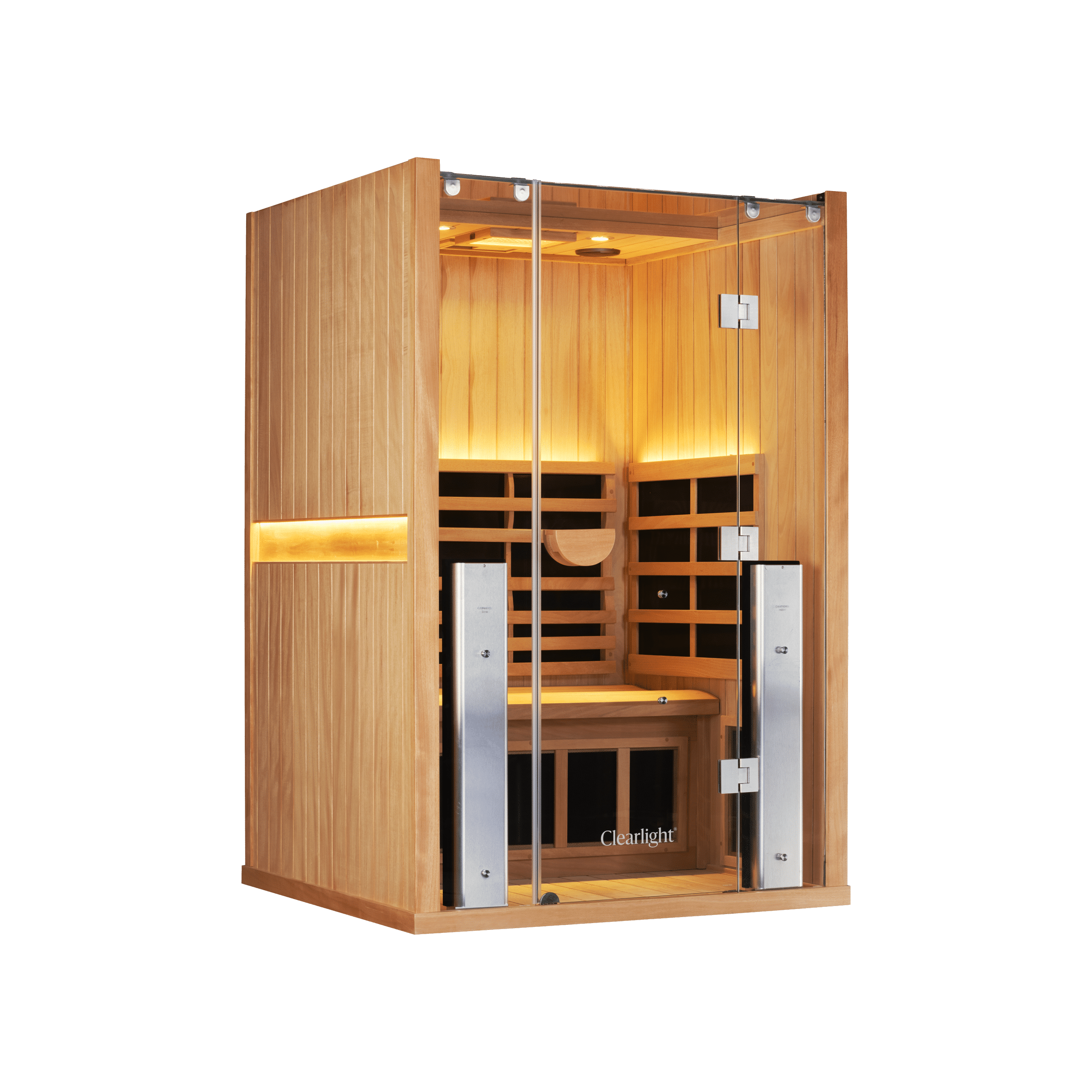
Infrared saunas range from under $500 for entry-level portable units to over $10,000 for custom-built cabin designs. The price jump usually reflects build quality, heater count, and brand reputation rather than a massive leap in therapeutic benefit for most users. A well-built 2-person far-infrared cabin often sits in the $1,500–$3,000 range, offering a sweet spot between durability and cost.
When evaluating a budget fit, look at the heater type and coverage. Cheaper units may use carbon heaters with lower output or fewer panels, which can mean longer session times to reach the same sweat threshold. Higher-end models often feature full-spectrum heaters or more extensive panel arrays that heat the body more evenly. For portable designs, check the weight and foldability; a unit under $800 might save money upfront but could feel flimsy or difficult to store long-term.
Also consider the hidden costs of ownership. While the sauna itself is a one-time purchase, electricity usage adds up. Far-infrared saunas are generally more energy-efficient than traditional steam saunas, but running a unit for 30–60 minutes daily will impact your electric bill. Ensure your home’s electrical circuit can handle the load, especially for larger 3–4 person cabins that may require a dedicated 220V outlet.


As an Amazon Associate, we may earn from qualifying purchases.
The right choice depends on how often you plan to use it. If you are testing the waters, a portable or 1-person unit offers a low-risk entry. If you are committing to daily recovery sessions, investing in a higher-quality cabin with better insulation and heater consistency will likely pay off in comfort and longevity.
Shortlist real options
Use this section to make the The Home Wellness Revolution decision easier to compare in real life, not just on paper. Start with the reader's actual constraint, then separate must-have requirements from details that are merely nice to have. A practical choice should survive normal use, maintenance, timing, and budget. If a recommendation only works in an ideal situation, call that out plainly and give the reader a fallback path.
| Factor | What to check | Why it matters |
|---|---|---|
| Fit | Match the option to the primary use case. | A good deal still fails if it does not fit the job. |
| Condition | Verify age, wear, and service history. | Hidden condition issues erase upfront savings. |
| Cost | Compare purchase price with likely upkeep. | The cheapest option is not always the lowest-cost option. |
Inspect the expensive parts
Use this section to make the The Home Wellness Revolution decision easier to compare in real life, not just on paper. Start with the reader's actual constraint, then separate must-have requirements from details that are merely nice to have. A practical choice should survive normal use, maintenance, timing, and budget. If a recommendation only works in an ideal situation, call that out plainly and give the reader a fallback path.
-
Verify the basicsConfirm the core specs, condition, and fit before comparing extras.
-
Price the downsideLook for the repair, maintenance, or replacement cost that would change the decision.
-
Compare alternativesCheck at least two comparable options before treating one listing as the benchmark.
Ownership costs and maintenance realities
The sticker price is only the first expense. Infrared saunas are electrical appliances, and their operating costs depend heavily on wattage, insulation quality, and how often you run them. A typical 3-person portable unit draws between 1,200 and 1,500 watts. If you use it for 30 minutes a day, you can expect an additional $10 to $20 per month on your electric bill, depending on your local utility rates. Cheaper, poorly insulated models often lack the efficiency to retain heat, forcing the heating elements to work harder and longer to maintain temperature, which spikes your energy consumption.
Maintenance is minimal but necessary. You should wipe down the interior panels with a damp cloth after each use to remove sweat and salts that can corrode the carbon or ceramic heaters over time. Avoid harsh chemicals or abrasive scrubbers. Every few months, check the electrical connections and the integrity of the wooden frame. If you notice any scorching or loose wiring, stop using the unit immediately. Unlike traditional saunas that require high heat and humidity, infrared saunas do not need wood conditioning or complex humidity controls, keeping upkeep simple.
When a cheap buy stops being cheap is often a question of durability. The cheapest units on the market may use lower-grade wiring or non-certified heaters that fail after a year or two. Replacing a heater assembly can cost hundreds of dollars, effectively doubling your initial investment. Investing in a unit from a reputable brand with a solid warranty often pays for itself in longevity and consistent performance. Look for units with UL or ETL certification to ensure electrical safety standards are met.


As an Amazon Associate, we may earn from qualifying purchases.
No comments yet. Be the first to share your thoughts!