


Sola sauna budget
The Sola sauna is a compact outdoor unit built for efficiency rather than volume. Crafted from thermally modified spruce, it offers a smaller footprint that fits tighter spaces while still delivering the heat retention needed for post-workout recovery. True North lists the starting price from £12,000, positioning it as a premium investment for those who prioritize material quality and British manufacturing over bulk capacity.
When evaluating this budget, consider the tradeoff between size and longevity. The square shape and high-grade wood construction mean the unit will withstand weather better than cheaper cedar alternatives, but the limited seating for up to three people restricts its use for family gatherings. For a solo post-workout session, this compactness is an asset, heating up faster and using less energy.
If the £12,000+ price tag exceeds your comfort zone, look for pre-owned units or smaller portable infrared panels. However, with outdoor saunas, condition matters more than age. Check for gaps in the wood sealing and heater functionality, as repairs can quickly erase any savings from buying second-hand. The Sola’s durability makes it a strong candidate for resale, but only if maintained well.
Compare the strongest Sola Sauna options
Choosing between the Sola Sauna models usually comes down to how much space you have and how many people you want to heat at once. The lineup is relatively small, making a direct comparison straightforward. We are looking at the standard Sola, the Sola Pro, and the Sola Solo, each designed for different recovery needs and physical footprints.
The Sola and Sola Pro are built from thermally modified spruce, a wood choice that resists warping and retains heat efficiently. They share a similar compact, square design but differ in capacity and heater output. The Sola Solo, as the name implies, is a tighter fit for solo practitioners who prioritize portability and quick heat-up times over group sessions.
To help you decide which model fits your post-workout routine, we’ve broken down the core differences. This comparison focuses on capacity, construction, and ideal use cases rather than speculative pricing, which fluctuates based on dealer and configuration.
| Model | Capacity | Primary Material | Ideal Use Case |
|---|---|---|---|
| Sola | 2-3 people | Thermally Modified Spruce | Couples or small groups wanting a balanced footprint |
| Sola Pro | 3-4 people | Thermally Modified Spruce | Families or serious athletes needing more heat density |
| Sola Solo | 1 person | Thermally Modified Spruce | Solo recovery, small spaces, or limited budgets |
The Sola is the baseline model, offering a sweet spot between size and price. It fits comfortably in a backyard or large garage without dominating the space. If you are training with a partner, this is often the most cost-effective entry point into infrared therapy.
The Sola Pro adds extra bench space and heater power. It is the right choice if you find yourself outgrowing the standard model or if you live in a colder climate where higher ambient temperatures are necessary for deep muscle relaxation. The construction remains identical, so you are paying for volume and intensity.
For those living in apartments or with strictly solo recovery routines, the Sola Solo is the logical choice. It heats up faster and requires less energy to maintain temperature. While it lacks the social aspect of the larger models, it delivers the same infrared benefits in a package that is easier to install and move.
Inspect the expensive parts
Saunas are built to last, but the components that fail are often the most expensive to replace. The heating elements, control boards, and exterior wood are your biggest financial risks. A small oversight during purchase can turn a $2,000 unit into a $1,000 repair bill. You need to know what to look for before you commit.
The heater is the heart of the sauna. Look for units with at least a 5-year warranty on the heater elements. Lower-wattage heaters (under 4.5kW) take longer to reach temperature and work harder, shortening their lifespan. If the warranty is only 1 year, assume you will pay full price for a replacement heater in three years.

Control boards are sensitive to heat and humidity. Check if the unit has a dedicated, ventilated control box that keeps the electronics separate from the steam. A board that sits directly in the heat will fail prematurely. Look for brands that use sealed, industrial-grade components rather than standard consumer-grade parts.

Hemlock and cedar are standard, but thermally modified spruce (like in the Sola sauna) is more resistant to warping and moisture damage. Ensure the wood is finished with a non-toxic, heat-resistant sealant. Unfinished or poorly sealed wood will crack, releasing splinters and requiring expensive refinishing or replacement panels.
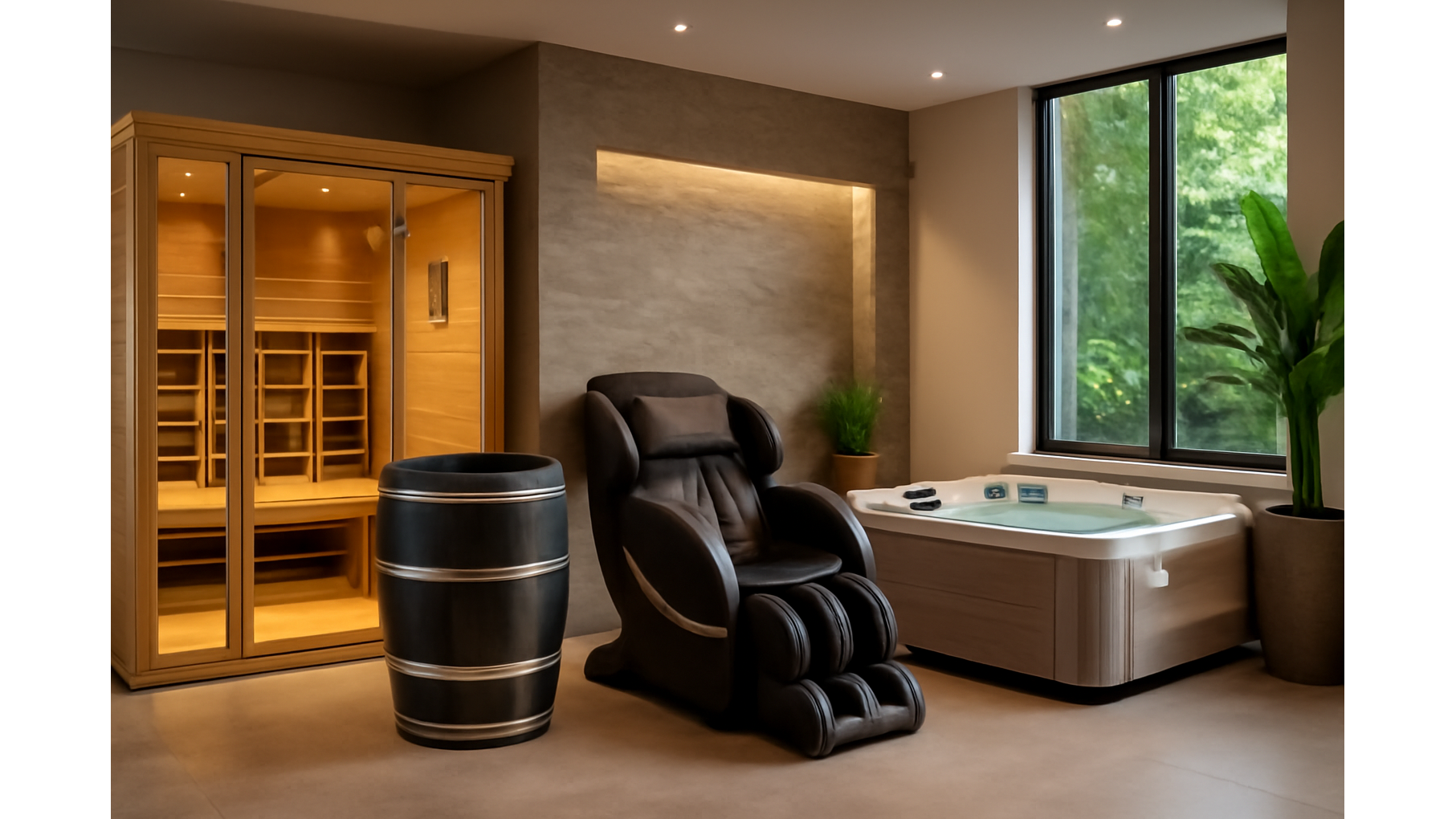
Tempered glass is non-negotiable. Standard glass can shatter under thermal stress. Check the door seals; worn-out rubber seals let heat escape, forcing the heater to run constantly and increasing energy bills. A tight seal is a sign of good manufacturing quality and long-term efficiency.
By focusing on these four areas, you avoid the most common and costly failures. Prioritize warranty length and component quality over aesthetic extras.
Ownership costs and maintenance
The sticker price is only the first expense. Infrared saunas run on electricity, and the difference between a portable unit and a built-in cabin is significant. A typical portable unit draws 1,200 to 1,500 watts. If you run it for an hour daily, expect roughly $30 to $50 per month on your electric bill, depending on your local rates. A full-size cabin with multiple heaters can double that cost, turning a "budget" sauna into a monthly utility bill you didn't plan for.
Maintenance is minimal but not zero. You will need to wipe down the interior with a mild cleaner after every few sessions to prevent sweat buildup and odor. The heating panels themselves rarely fail, but the control boards and wiring in cheaper models are the weak points. A $500 unit might last three years before a component gives out, while a $3,000 unit often lasts a decade or more. When repairs come, they can cost as much as the original purchase, which is when the "cheap" buy stops being cheap.
To keep long-term costs down, prioritize build quality over features. Look for thermally modified wood, which resists warping and moisture damage better than untreated spruce or cedar. This extends the life of the structure and reduces the need for replacements. Check the warranty terms carefully: a three-year warranty on panels and electronics is standard for mid-range units, while top-tier brands often offer five to seven years. Longer warranties signal that the manufacturer expects the unit to last.


As an Amazon Associate, we may earn from qualifying purchases.
Sola Sauna FAQs
Before committing to a Sola sauna, it helps to separate the specific product from general industry terms and pricing models.
What is a Sola sauna?
The Sola is a compact outdoor sauna typically crafted from thermally modified spruce. It is designed for a smaller footprint, often seating up to three people, and is built for regular heat therapy in residential backyards or remote locations. Unlike portable fabric units, the Sola is a permanent or semi-permanent structure.
How much does it cost?
Pricing for the Sola varies by manufacturer and region. For example, True North lists the Sola starting from approximately £12,000. Prices will differ based on the chosen size, wood finish, and heater type. Always check the official retailer for current availability and exact pricing.
What is the "200 rule" for saunas?
The "200 rule" is a common benchmark in the sauna industry suggesting that users should aim for 200 minutes of sauna time per week. This typically breaks down to four 50-minute sessions or five 40-minute sessions, providing a consistent routine for recovery and relaxation benefits.
Which sauna does Joe Rogan recommend?
Joe Rogan is frequently associated with Sunlighten infrared saunas, which he has featured on his podcast. While the Sola is a popular choice for outdoor traditional heat, Rogan’s specific recommendation usually points toward Sunlighten’s indoor infrared models for their convenience and low-emitter technology.
No comments yet. Be the first to share your thoughts!